


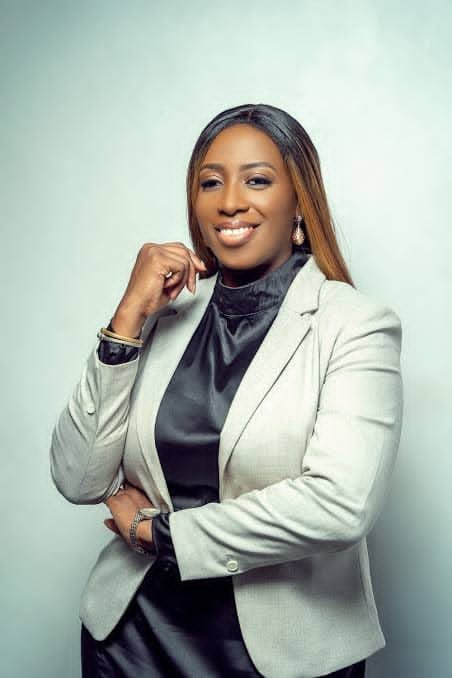
A clinical oncologist, Dr. Omolola Salako, has identified late presentation and the high cost of treatment as major challenges threatening effective cancer care in Nigeria.
Salako, Chief Executive Officer of Pearl Oncology Specialist Hospital, raised the concerns during an interview on Arise Channel’s Morning Show programme, where she spoke on the state of cancer care in the country.
She urged Nigerians to prioritise cancer prevention, early detection and timely treatment, noting that about 40 per cent of cancers are preventable.
According to her, effective cancer control depends on a combination of prevention, screening, early detection and access to appropriate treatment.
She explained that while some forms of cancer may not be entirely preventable, early detection can significantly improve treatment outcomes and survival rates.
Salako cited breast and prostate cancers as examples where detecting the disease at an early stage could make a significant difference in treatment.
The oncologist identified late presentation as one of the biggest obstacles to cancer treatment in Nigeria, saying many people fail to recognise early symptoms or delay seeking medical attention until the disease has advanced.
“I would like to pin more on public education because when we see patients present with advanced disease, cancers really start at least microscopic level,” she said.
She called for intensified public awareness campaigns to help Nigerians recognise cancer warning signs and seek medical attention as soon as symptoms emerge.
Salako also highlighted the enormous financial burden associated with cancer treatment, noting that patients may require a combination of therapies depending on the type and stage of the disease.
She listed surgery, chemotherapy, radiotherapy, immunotherapy, targeted therapy and hormone therapy among the treatment options that may be required.
According to her, the cost of treatment can range from about N10 million to N50 million or even N60 million, placing significant financial pressure on patients and their families.
She added that the situation is compounded by the low level of health insurance coverage in the country.
Salako said some patients who begin treatment are eventually forced to discontinue because they are unable to sustain the financial cost of care.
However, she noted that the Federal Ministry of Health and Social Welfare had introduced initiatives, including social welfare and treatment support funds, in partnership with pharmaceutical companies, to improve access to cancer treatment and assist patients.
On prevention, the oncologist urged Nigerians to reduce exposure to avoidable risk factors such as tobacco smoking and excessive alcohol consumption.
She also advised people to take infections such as HIV and hepatitis B seriously and seek appropriate medical care.
“Smoking contains tobacco and in tobacco there are more than 3,000 chemicals that are known to trigger cancer or start cancer,” she warned.
She further advocated safe sexual practices and specialist care for people living with viral infections.
Salako encouraged Nigerians to maintain healthy lifestyles, including eating balanced diets rich in fibre and antioxidants, which she said could support the body’s repair mechanisms and promote gut health.
She also recommended regular physical activity, noting that exercise produces hormones and proteins with important health benefits.
The oncologist stressed that a combination of prevention, public education, early detection, affordable treatment and sustained access to healthcare would be essential to reducing Nigeria’s growing cancer burden.


