


Germany has announced a fresh package of measures against Russia following what Berlin described as an alleged Russian “hybrid attack” in Leipzig.
The retaliatory measures include the closure of Russia’s Consulate General in Bonn, tighter immigration restrictions on Russian nationals and increased pressure on Moscow’s so-called shadow fleet.
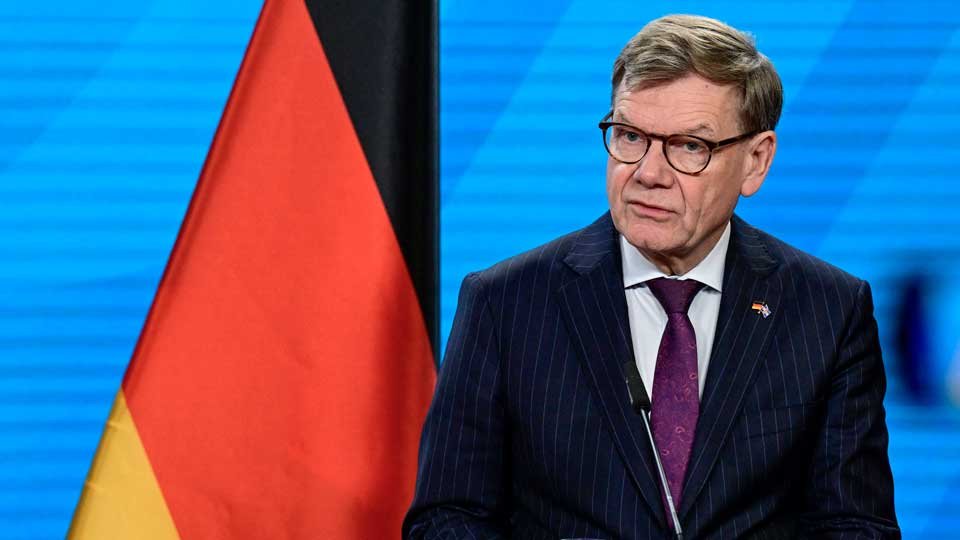
German Foreign Minister Johann Wadephul announced the measures alongside Interior Minister Alexander Dobrindt at a joint press conference, accusing Russia of pursuing a sustained campaign to destabilise European countries through disinformation, threats and acts of sabotage.
Wadephul said the alleged incident in Leipzig reflected a deliberate decision by the Russian leadership to further worsen already strained relations between Berlin and Moscow.
“Russia’s leadership has instead made a conscious decision to inflict further significant damage on our bilateral relations, which are already under tremendous strain,” he said.
The foreign minister said Germany remained secure but would continue taking measures against Russia, which Berlin considers responsible for the alleged hybrid attack.
He added that Germany would work closely with its NATO and European Union partners to prevent further hybrid operations targeting Germany and other European countries.
Under the new measures, Germany will close the Russian Consulate General in Bonn from September 18 and terminate the lease of the Russian House in Berlin.
Berlin will also push for new European Union sanctions against Russian individuals allegedly involved in hybrid attacks and introduce tighter immigration controls for Russian nationals.
The German government said it would increase pressure on Russia’s shadow fleet and take additional measures in the intelligence sector, while strengthening Germany’s defence capabilities and deterrence within NATO.
Wadephul further reaffirmed Germany’s commitment to providing civilian and military assistance to Ukraine, saying the Leipzig incident demonstrated the need for stronger European security measures.
As part of the diplomatic response, Germany has ordered the Russian ambassador to be summoned and informed of Berlin’s position through diplomatic channels.
The latest measures mark a further deterioration in relations between Germany and Russia as European governments intensify efforts to counter what they describe as Russian hybrid activities across the continent.


