


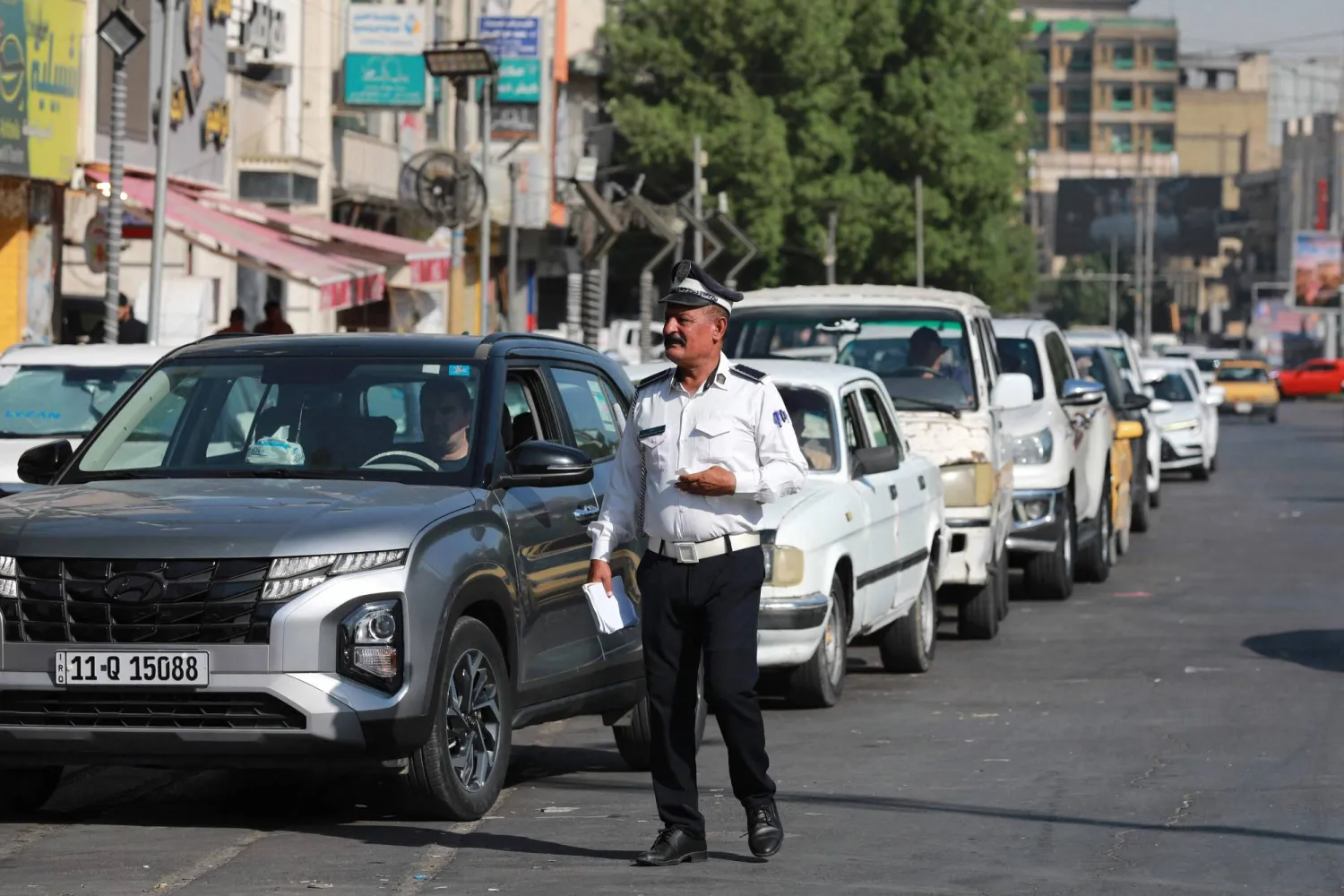
Iraq, one of the world’s largest oil producers, is facing a growing petrol shortage as the ongoing conflict in the Middle East disrupts fuel supplies and tanker movements.
Long queues have formed at petrol stations across Baghdad, with motorists waiting for hours to refuel amid concerns that supplies could run out.
Despite producing millions of barrels of crude oil each day, Iraq relies on imported refined petroleum products, including gasoline, because its domestic refineries are unable to meet the country’s demand.
Baghdad resident Ibrahim Hashem said he spent two hours waiting outside a fuel station on Friday without being able to buy petrol before returning early Saturday in another attempt to refuel his car.
“It is unreasonable that we produce so many barrels of oil a day, yet still do not have enough gasoline to meet our daily needs,” Hashem said at a fuel station in central Baghdad.
“We already suffer from traffic congestion because of the roads and lack of services. Now, it has become worse due to the gasoline shortage,” he added.
Iraq consumes an average of about 33 million litres of petrol daily, but demand can rise to 38 million litres when motorists panic over possible shortages, according to authorities.
The Ministry of Oil said regional developments and the ongoing conflict had created logistical difficulties for tanker traffic, delaying shipments bound for Iraqi ports.
Authorities said they were working to ease the situation and assured motorists that additional fuel shipments would arrive soon.
They also urged citizens to purchase only the amount of petrol they require and avoid overcrowding filling stations by making unnecessary purchases.
The fuel crisis comes as Iraq feels the wider impact of the conflict between the United States and Iran, which has disrupted shipping through the strategically important Strait of Hormuz.
The strait is a critical route for global energy supplies and is particularly important to Iraq, which depends on oil exports for about 90 per cent of its government revenues.
Before the conflict erupted in February, Iraq produced around four million barrels of crude oil per day and exported an average of 3.4 million barrels daily, most of it through the Strait of Hormuz.
Iraqi oil exports subsequently fell sharply before recovering to more than 2.2 million barrels per day in August, according to the Oil Ministry.
Last month, Iran’s state news agency IRNA reported that Tehran had authorised “a number of Iraqi oil tankers” to transit the Strait of Hormuz over the preceding six months.
The disruption highlights Iraq’s vulnerability to regional instability despite its position as a major oil-producing nation, as both its export revenues and domestic fuel supplies remain heavily dependent on secure regional transport routes.


