


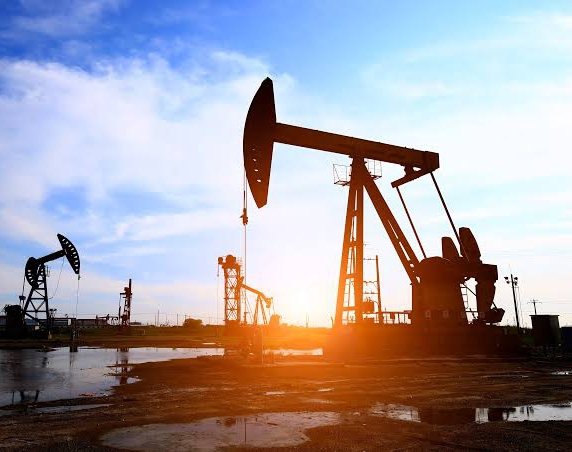
Global crude oil prices surged towards $100 per barrel as renewed fighting in the Middle East heightened concerns over possible disruptions to oil production, exports and shipping routes.
Brent crude rose to $99.46 per barrel, its highest level since July 24, before easing to around $97 later in the day. US West Texas Intermediate (WTI) also climbed to its highest level since June 8 as traders assessed the potential impact of the escalating conflict on global energy supplies.
The latest price surge followed attacks by Yemen’s Iran-backed Houthi group on four cities in southern Saudi Arabia, including areas linked to the country’s state-owned oil company and energy infrastructure.
The Houthis said they launched a large-scale operation deep inside Saudi territory, using drones and missiles to target locations in Khamis Mushait, Abha, Najran and Jazan.
Jazan, a major Red Sea port city, hosts a large refinery and power plant, while other areas targeted in the attacks contain oil distribution facilities.
Reuters reported that satellite imagery showed a thick cloud of black smoke over the Jazan refinery, alongside a column of white smoke rising from an oil distribution centre in Abha.
Saudi authorities confirmed fires at some of the affected sites and said 73 people were injured, including women and children.
The attacks mark a significant escalation following a period of relative calm in August and have renewed concerns over the safety of oil infrastructure and key shipping routes in the region.
The Houthis control large parts of Yemen and have previously targeted commercial shipping in and around the Red Sea. Saudi Arabia, meanwhile, has led an Arab coalition fighting the group in Yemen for more than a decade.
The latest developments come amid escalating hostilities between the United States and Iran, with both sides exchanging fire and applying pressure through restrictions affecting energy supplies and maritime trade.
The Strait of Hormuz has emerged as one of the biggest flashpoints in the conflict because of its critical role in global energy trade.
The strategic waterway has historically carried about one-fifth of global oil supplies, meaning any prolonged disruption could have significant consequences for crude prices, fuel costs and energy security worldwide.
The United States has sought to maintain the flow of crude into international markets by facilitating shipping through the strait, while also imposing measures aimed at restricting Iranian oil exports.
Iran, however, has announced plans to establish what it described as a “maritime exclusion zone” stretching from the perimeter of the US blockade through the Strait of Hormuz and into the Gulf.
The conflict has already contributed to shortages of crude and refined petroleum products in some markets, putting additional pressure on consumers.
In the United States, the average retail price of diesel has climbed above $5.90 per gallon, according to Reuters.
US President Donald Trump, however, predicted that oil prices would fall sharply if the United States emerged victorious from its conflict with Iran.
“Oil prices will drop precipitously, like everything else is dropping (but more!), when we WIN the war with Iran,” Trump said in a social media post, predicting prices could eventually fall below $2 per gallon.
For Nigeria, the renewed surge in global crude prices could have mixed implications.
While higher international oil prices could boost government and foreign-exchange earnings from crude exports, prolonged instability could also increase the cost of refined petroleum products and put additional pressure on domestic fuel prices.
With Nigeria still dependent on imported refined products for part of its fuel supply, sustained increases in global energy prices could translate into higher landing costs and increased pressure across the downstream petroleum market.
Market participants are therefore closely monitoring developments in Saudi Arabia, Iran and the Strait of Hormuz for signs of further disruptions.
Any prolonged interruption to global crude supplies could push oil prices above the $100-per-barrel threshold and potentially trigger another round of increases in fuel and transportation costs in Nigeria.


