


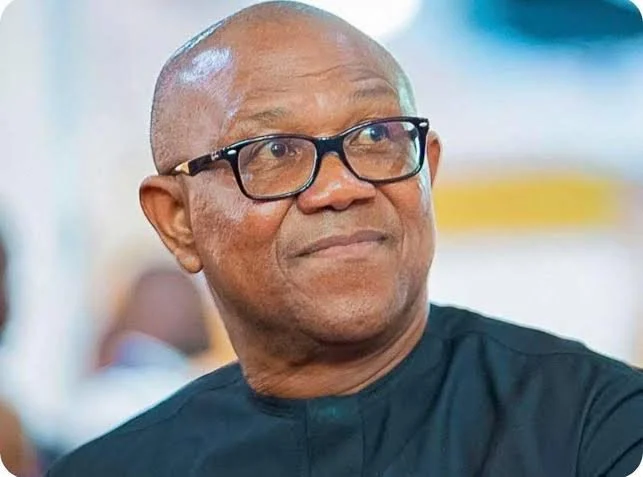
Presidential candidate of the Labour Party, Peter Obi, has pledged to tackle Nigeria’s cost-of-living crisis by cutting the cost of governance and intensifying the fight against corruption if elected president in the 2027 general elections.
Obi, a former governor of Anambra State, made the pledge in an interview with AFP in Abuja on Tuesday, as political activities gather momentum ahead of the January 2027 presidential election.
He said reducing government waste and corruption would free up resources for investment in critical sectors such as healthcare, education and poverty reduction.
“We need to cut the cost of governance and fight corruption,” Obi said.
According to him, a combination of national unity, improved security and prudent management of public resources would enable the government to make meaningful progress in addressing the country’s economic challenges.
“You unite the country, secure the country, and put your resources in these critical areas. And you will see the difference,” he said.
Obi, 65, also linked Nigeria’s security challenges to widespread poverty, arguing that expanding economic opportunities and creating manufacturing jobs would help reduce criminality.
“The more you pull people out of poverty, the more you reduce criminality,” he said, advocating increased investment in manufacturing and productive sectors.
The former Anambra governor noted the decline in manufacturing’s contribution to Nigeria’s economy, with the World Bank putting its share of gross domestic product at eight per cent in 2025, down from a peak of 21 per cent in 1994.
Nigeria is currently grappling with severe economic and security challenges, including high living costs, poverty, terrorism, banditry, separatist violence and clashes between farmers and herders.
Obi said corruption in the oil sector could also be tackled to reduce the cost of living without returning to the fuel subsidy regime.
He criticised waste and corruption in the sector, arguing that better management of Nigeria’s oil resources could help ease pressure on citizens.
President Bola Tinubu abolished the petrol subsidy after assuming office in 2023, a move his administration has defended as necessary to prevent further strain on government finances.
However, the policy contributed to a sharp increase in transportation and other living costs, triggering widespread hardship.
Obi also backed the creation of state police, aligning himself with Tinubu on the need to decentralise policing in order to improve the country’s response to insecurity.
The 2023 presidential election produced a three-way contest among Tinubu, Atiku Abubakar and Obi, with Tinubu emerging victorious after securing 36.6 per cent of the vote.
With both Obi and Atiku expected to remain major opposition figures in 2027, concerns have persisted that another division of the opposition vote could benefit the incumbent.
But Obi dismissed suggestions that his candidacy could merely split the anti-Tinubu vote, saying Nigerians should determine which candidate is best suited to govern the country.
He also expressed concern over the credibility of the forthcoming election, following an incident in which his convoy was reportedly blocked while travelling through a volatile part of Benue State on Tuesday.
Obi said incidents of violence and intimidation could discourage voters from participating in the election.
“People don’t come out when there’s rascality and bad behaviour,” he said, stressing the need for free, fair and credible elections.
With millions of eligible voters staying away from the polls in 2023, Obi said there remained significant room for increased voter participation in the 2027 election.


