



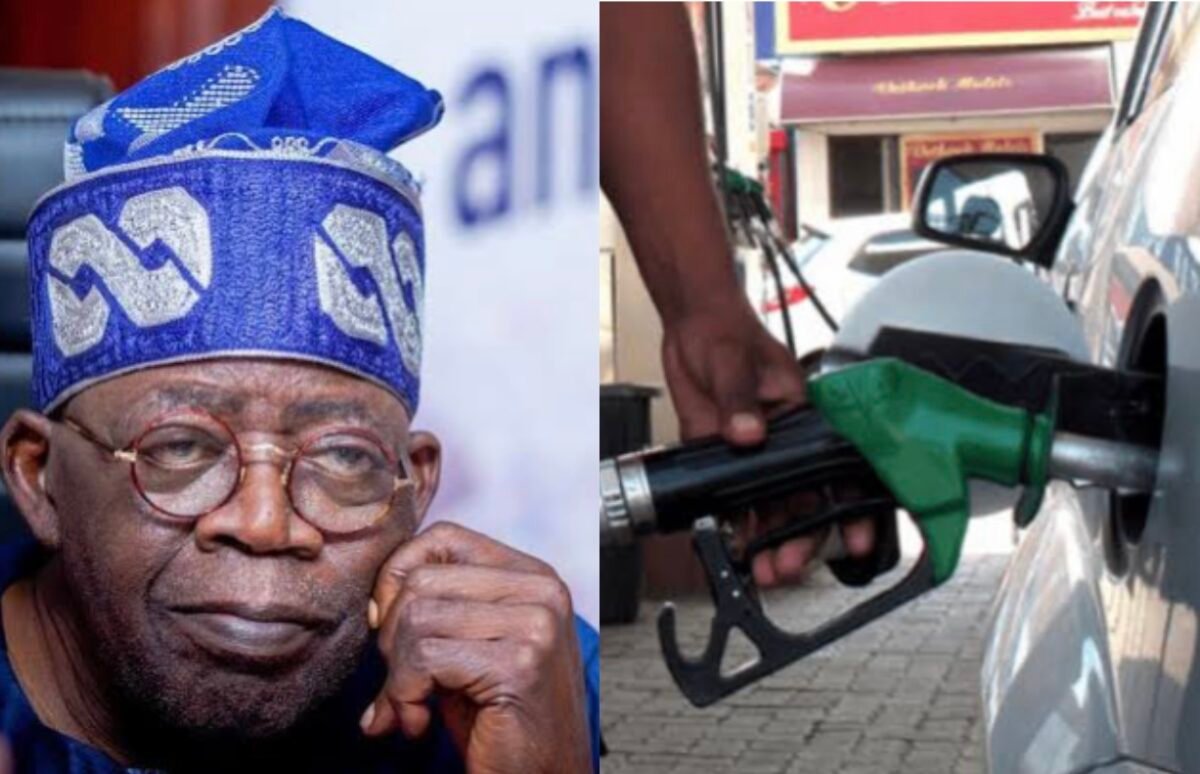
The International Monetary Fund (IMF) has cautioned the Federal Government against reinstating blanket petrol subsidies, urging it to prioritise targeted support for vulnerable Nigerians grappling with rising fuel and transportation costs.
The warning comes amid renewed political pressure for the restoration of petrol subsidies ahead of the elections, as rising energy prices continue to put pressure on household budgets.
The Director of the IMF’s Fiscal Affairs Department, Rodrigo Valdés, gave the advice on Wednesday during the IMF and World Bank Group Annual Meetings in Bangkok, Thailand.
Responding to questions about calls for the reintroduction of petrol subsidies in Nigeria, Valdés acknowledged that higher fuel prices could pose political challenges but warned that shielding all consumers from global price increases would place a significant burden on public finances.
He said governments needed to explain that rising fuel costs were partly driven by global market shocks, adding that absorbing the increases through universal subsidies would be expensive.
Valdés advised the government to redirect funds that would otherwise be spent on blanket subsidies towards households most affected by rising living costs.
“It’s much better to use some of that money that would be spent in the subsidies channelled towards more vulnerable people,” he said.
The IMF official proposed targeted interventions, including transportation assistance, as a more effective alternative to subsidising petrol for all consumers, irrespective of their income levels.
“Gasoline could go up, and perhaps bus fees may be subsidised in a way. That is a much better policy at the end of the day than just a blanket subsidy for everybody,” he said.
The IMF has consistently maintained that universal fuel subsidies place pressure on government finances while often benefiting wealthier households disproportionately because of their higher consumption of petroleum products.
The latest warning comes amid concerns over petrol affordability in Nigeria following increases in international energy prices and their impact on transportation fares and household expenditure.
In response to the pressure, the Federal Government recently introduced a 30-day petrol price discount at Nigerian National Petroleum Company Limited retail outlets, with public transport operators identified as priority beneficiaries.
The Minister of Finance and Coordinating Minister of the Economy, Taiwo Oyedele, said the arrangement required NNPC Retail to temporarily forgo its profit margin and sell petrol at cost to ease the burden on consumers.
Oyedele stressed that the intervention was temporary and did not amount to a return to the petrol subsidy regime.
Beyond the fiscal implications, Valdés warned that keeping fuel prices artificially low during supply disruptions could encourage higher consumption and intensify pressure on global petroleum supplies.
He maintained that targeted assistance would enable governments to protect vulnerable households without creating the wider fiscal and economic distortions associated with blanket fuel subsidies.


 has cautioned the Federal Government against reinstating blanket petrol subsidies, urging it to)