


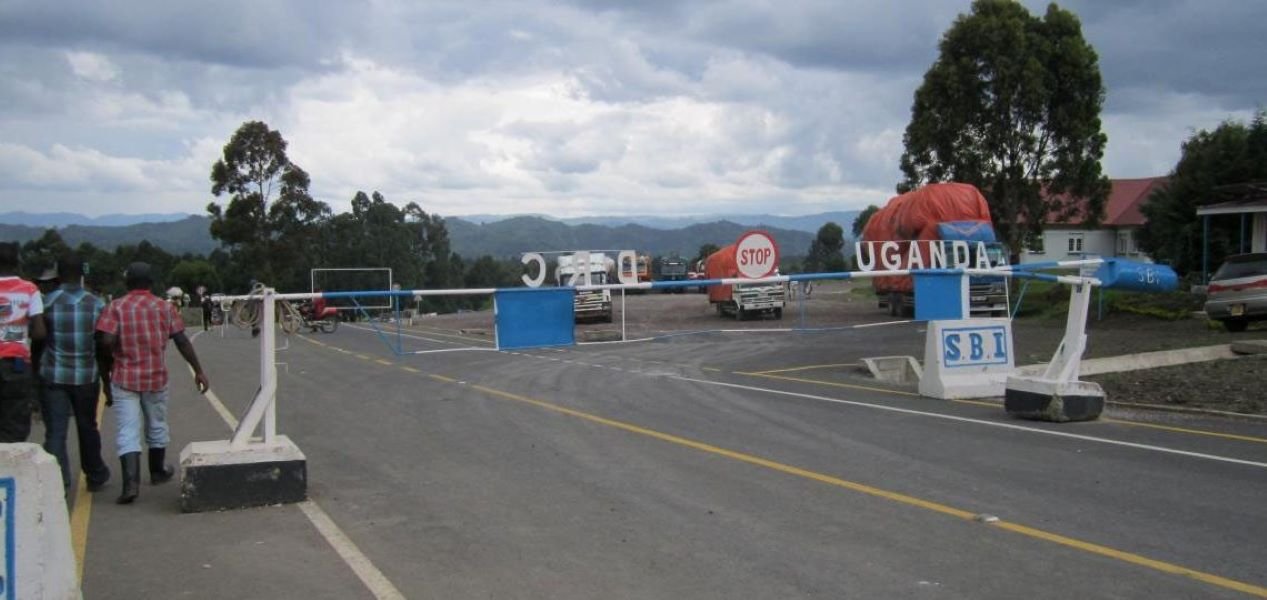
Uganda has shut its border with the Democratic Republic of Congo after fears grew over the spread of a rare and deadly strain of Ebola sweeping through the region.
The move follows a surge in suspected cases of Bundibugyo Ebola in eastern Congo, where health officials say the outbreak is spiralling rapidly.
Ugandan authorities confirmed that local health workers were exposed to infected Congolese patients who crossed the border before the outbreak was officially declared on May 15.
The outbreak is centred in Ituri province, close to Uganda’s western frontier.
Panic deepened after seven Ebola cases were confirmed in Kampala, Uganda’s capital, alongside one reported death.
Uganda’s decision to seal the border comes despite guidance from the World Health Organization, which has discouraged blanket border closures during outbreaks.
Officials say the temporary shutdown was ordered by a national emergency task force as fears mount across East Africa over the highly infectious virus, which currently has no approved vaccine or medicine for the Bundibugyo strain.
Dr Diana Atwine from Uganda’s Ministry of Health said the closure takes immediate effect.
She added that only emergency crossings linked to humanitarian work, security operations, cargo deliveries or outbreak response efforts would be allowed.
Anyone entering Uganda from Congo under those exceptions will face mandatory isolation for 21 days.
The World Health Organization says more than 1,000 cases and over 200 deaths have already been recorded during the outbreak, mostly in Congo. The agency declared the crisis a global health emergency on May 17.
Health experts are especially alarmed because this is the Bundibugyo strain of Ebola, one of the rarest forms of the virus and one with no licensed vaccine currently available.
This is now Congo’s seventeenth Ebola outbreak and the third largest ever recorded in the country.


