




Two Nigerians and a Sierra Leonean national have been sentenced by a British court over a sophisticated fraud involving the theft, repackaging and resale of medical supplies belonging to a National Health Service hospital, resulting in losses exceeding £367,000.
The sentences were handed down at Worcester Crown Court on Friday, October 23, following an investigation into a scheme that operated between October 2016 and September 2019.
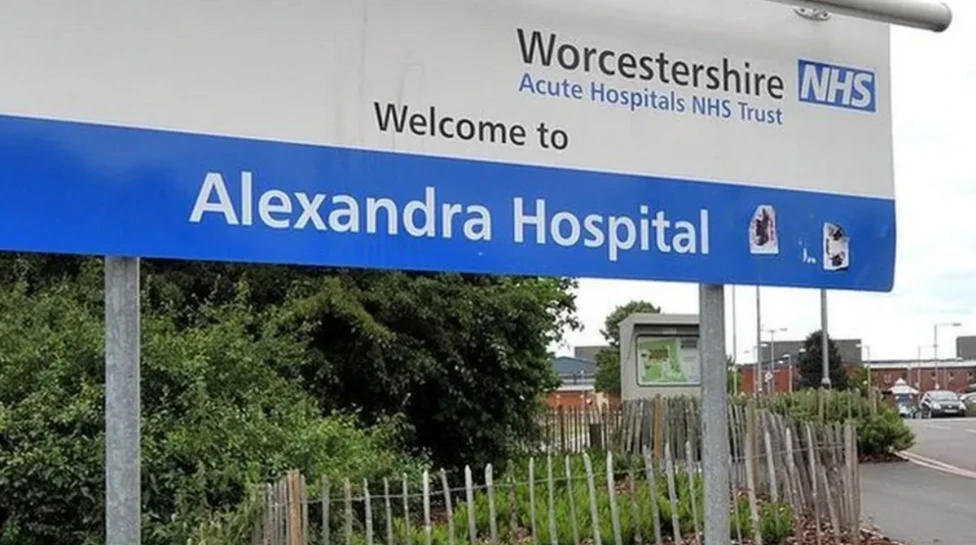
Emmanuel Nbanga, 46, a former materials management assistant at Alexandra Hospital in Redditch, was jailed for eight years for fraud by abuse of position and fraudulent trading. Nbanga, originally from Sierra Leone, grew up in Nigeria before relocating to the United Kingdom.
Solomon Adeyemi, 57, a Nigerian businessman and director of Ultimate Medical (UK) Limited, received seven years’ imprisonment for fraudulent trading. Remilekun Olusesi, 40, Nbanga’s Nigerian wife, was handed a 30-month prison sentence, suspended for 36 months, for money laundering.
Investigators established that Nbanga systematically removed medical supplies from hospital operating theatre stock rooms and passed them to Adeyemi’s company, which repackaged the items and sold them back to Worcestershire Acute Hospitals NHS Trust.
The arrangement effectively forced the trust to purchase its own stolen inventory, spending almost £233,000 on the supplies.
The scheme unravelled after hospital officials became suspicious of unusually low prices charged by Ultimate Medical. Further checks revealed that identification numbers on some deliveries matched those on items previously ordered and received by the hospital.
Investigators also discovered that the company supplied substandard warm-up jackets, needle containers and drug labels sourced from China. The hospital could not guarantee their quality or safety for patient use, forcing it to destroy the stock and purchase replacements from established suppliers.
The trust had been invoiced approximately £306,000 for supplies, although some payments were withheld after suspicions emerged.
The wider investigation uncovered a network through which payments were diverted from Ultimate Medical’s business account into Lawyis Medical UK Limited, described as a shell company established by Olusesi, and into personal accounts belonging to the defendants.
Adeyemi also used the false identity of Patrick Smith and had previously admitted offences involving forged identity documents used to secure healthcare assistant jobs at two NHS trusts. Earnings from those jobs amounted to almost £119,000, bringing the overall NHS losses to £367,759.
More than £16,000 worth of stolen medical stock was recovered during searches.
Ben Harrison, head of operations and engagement at the NHS Counter Fraud Authority, said Nbanga had abused his position of trust to steal essential medical supplies and arrange their resale to the same hospital.
He warned that substandard and unsanitary products entering hospital theatres could have had serious consequences for patients.
Worcestershire Acute Hospitals NHS Trust managing director Stephen Collman described the fraud as an extensive and sustained operation made particularly disturbing by the involvement of people entrusted with NHS resources.


