



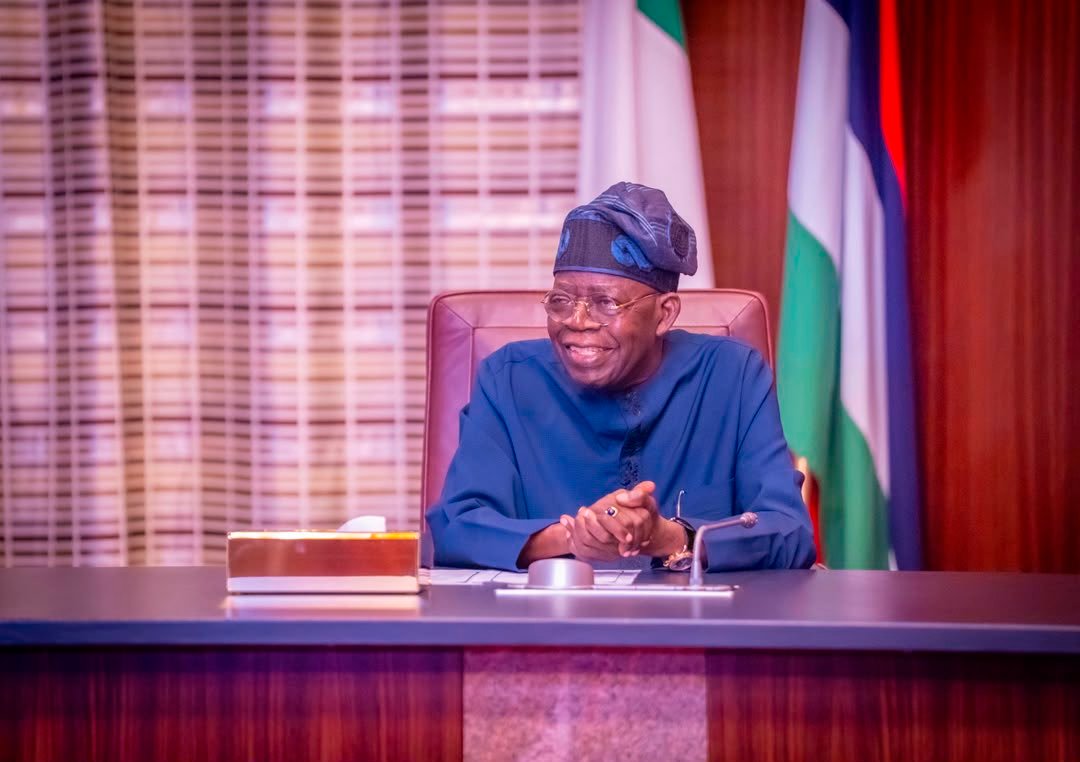
President Bola Tinubu has cited an 83.83 per cent increase in Nigeria’s capital importation and improved economic growth as evidence that his administration’s reforms are beginning to restore investor confidence and lay the foundation for sustainable development.
Tinubu, who spoke on Monday through Vice-President Kashim Shettima at the opening of the 32nd Nigerian Economic Summit in Abuja, said the government was committed to dismantling structural barriers to growth, creating productive jobs and improving the living standards of Nigerians.
According to a statement by the President’s spokesman, Stanley Nkwocha, Tinubu said the administration had embarked on difficult economic adjustments because sustainable growth required stabilising the economy and creating an enabling environment for public and private sector investments.
He said the reforms were intended to reverse decades of economic underperformance and unlock Nigeria’s human and natural resources for greater productivity, employment and shared prosperity.
Citing figures from the National Bureau of Statistics, the President said Nigeria’s inflation-adjusted Gross Domestic Product grew by 3.89 per cent in the first quarter of 2026, compared with 3.13 per cent in the corresponding period of 2025.
He also noted that non-oil activities accounted for 96.08 per cent of the country’s GDP during the period, while manufacturing expanded by 3.29 per cent and the oil sector grew by 2.57 per cent.
Tinubu further disclosed that capital importation reached $10.37 billion in the first quarter of 2026, representing an 83.83 per cent increase over the corresponding period in the previous year.
He said the inflows, comprising portfolio and foreign direct investments, reflected improving investor confidence, adding that the government would continue to ease regulatory burdens and strengthen the conditions required to attract more investments.
However, the President said the administration’s objectives went beyond recording favourable economic indicators, stressing that the ultimate test of the reforms would be their impact on employment, productivity and household welfare.
He said Nigeria must focus not only on creating jobs but also on improving the quality of work, reducing underemployment and equipping its workforce with the skills needed to drive economic expansion.
Tinubu urged policymakers to assess infrastructure projects by the economic activities they generate, education by the skills and productivity it delivers, and industrial policies by their impact on the competitiveness of Nigerian businesses.
The President said the theme of the summit, “Growth That Works: Delivering Jobs, Productivity and Shared Prosperity,” aligned with the government’s ambition to build a prosperous and inclusive economy by 2030.
He maintained that the reforms were restoring confidence and strengthening the country’s economic foundations, while acknowledging the need to translate the emerging gains into tangible benefits for businesses, workers and jobseekers.


