


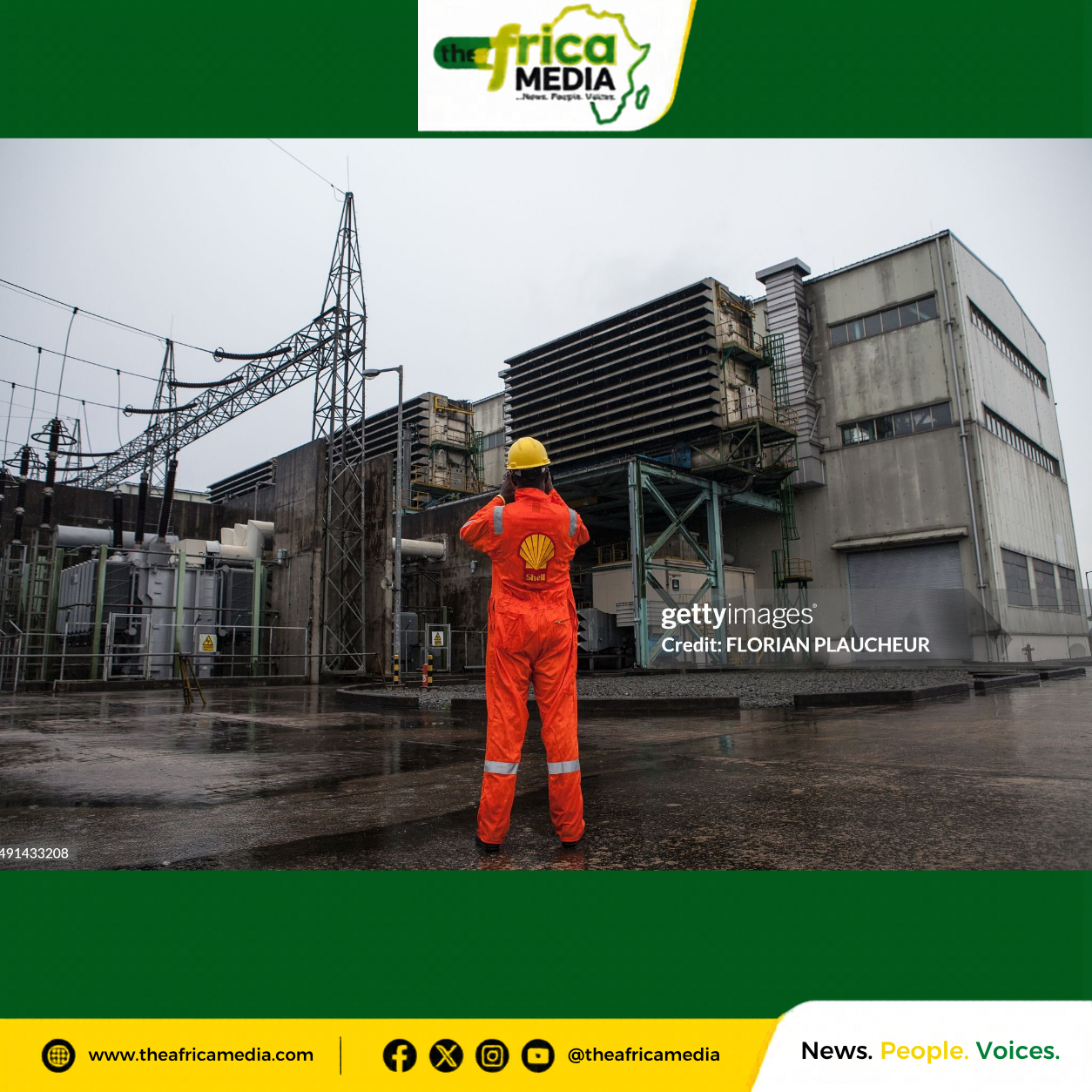
Internal company documents have revealed that energy giant Shell plc continued operating a major oil pipeline in Nigeria for several years despite concerns raised by its own officials about pollution risks and infrastructure vulnerabilities.
The documents, obtained by the BBC as part of ongoing legal proceedings in the United Kingdom, suggest that senior executives were aware of the environmental and operational dangers associated with the Nembe Creek Trunk Line but chose to continue production amid widespread oil theft and pipeline damage.
The pipeline, which stretches approximately 96 kilometres through the Niger Delta and was sold by Shell in 2025, served as one of the company’s largest oil transportation routes in Nigeria, carrying up to 150,000 barrels of crude oil daily.
The revelations emerged during a lawsuit filed by communities in the Niger Delta seeking compensation for environmental damage allegedly caused by more than 100 oil leaks linked to theft and illegal refining activities between 2011 and 2013.
According to court filings, Shell maintains that much of the pollution resulted from large-scale oil theft, sabotage and the activities of illegal refineries operating in the region. The company insists it invested heavily in spill prevention, surveillance and cleanup operations.
Early Warning Raised in 2008
One of the documents cited in the report is an internal email exchange from October 2008, in which Markus Droll, then Shell’s Technical Vice-President, expressed concerns about continued operations on the pipeline despite mounting security and environmental risks.
Droll reportedly warned that another major attack on the infrastructure could force the company to halt production entirely and questioned whether adequate safeguards were in place to prevent further damage.
He also argued that financial considerations should not outweigh safety concerns and described the situation as deeply uncomfortable from a technical standpoint.
In response, Ann Pickard, Shell’s then Regional Executive Vice-President, acknowledged the challenges but defended the decision to continue operations, arguing that it represented the option with the lowest overall risk to both people and the environment.
Pipeline Classified as High Risk
A separate internal assessment from 2012 reportedly showed that sections of the pipeline had been classified as “red,” indicating severe operational concerns due to extensive illegal oil theft connections.
Under Shell’s own standards, such a classification would typically require an immediate shutdown or urgent corrective measures.
However, company officials reportedly concluded that shutting down the pipeline could encourage criminals to establish new illegal connections elsewhere along the network, leading to a decision to continue operations.
Shell told the BBC that decisions made during that period reflected the complex realities of operating in the Niger Delta, including widespread criminal activity, militancy and large-scale oil theft.
Concerns Over Legal Exposure
Documents from 2013 also suggest some executives were worried about potential legal and financial consequences if internal audits revealed shortcomings in the company’s handling of pipeline integrity and oil theft.
In one email, a senior manager reportedly cautioned that a proposed audit could expose the company to compensation claims from affected communities and disputes with government authorities.
The documents do not indicate whether the audit was ultimately conducted.
Communities Demand Accountability
Residents of affected communities, including those in Bille, have maintained that Shell should be held accountable for environmental damage caused by its infrastructure, regardless of the role played by oil thieves and illegal refiners.
Community leaders say decades of pollution have damaged livelihoods, contaminated waterways and negatively affected public health across the region.
According to the United Nations, more than 13 million barrels of crude oil have been spilled in Nigeria since oil production began in the country in 1958, making the Niger Delta one of the world’s most heavily polluted oil-producing regions.
The issue has long been a source of tension between multinational oil companies and local communities, with environmental activists and campaigners repeatedly calling for stronger accountability and remediation efforts.
Shell Defends Its Position
Responding to the allegations, Shell said the documents cited by the BBC do not fully reflect the operational realities of the Niger Delta during the period in question.
The company argued that organised criminal activity, pipeline sabotage and illegal refining operations created significant challenges that complicated efforts to prevent spills and protect infrastructure.
Shell stated that it remains confident in its legal position and intends to vigorously defend the claims when the case goes to trial next year.
Meanwhile, the affected communities continue to pursue legal action, insisting that those responsible for the environmental damage should be held accountable and required to support long-term cleanup and restoration efforts


