


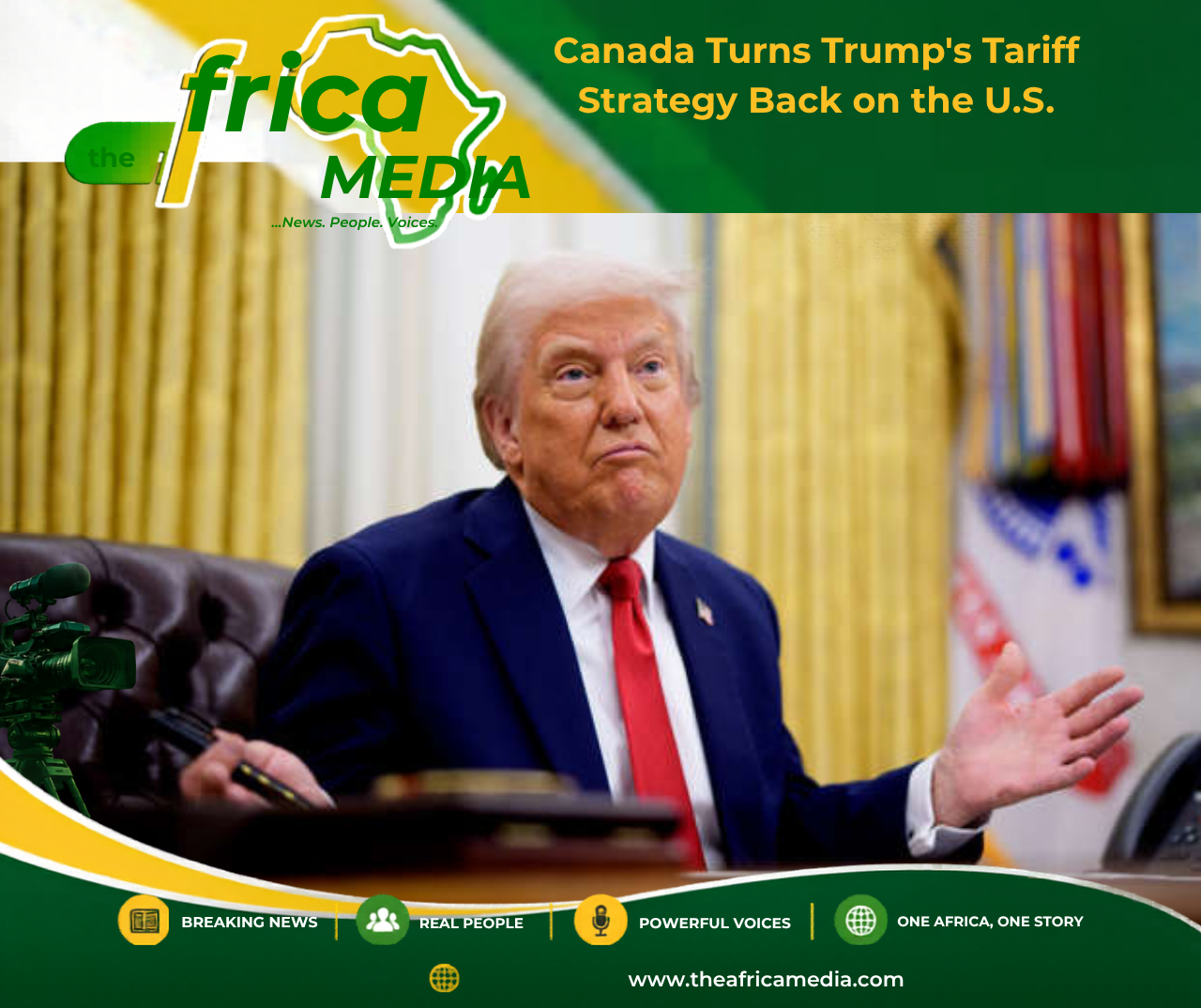
Tariffs introduced by U.S. President Donald Trump in March 2025 were intended to strengthen America’s trade position with Canada, but they have instead accelerated efforts by Canadian businesses to diversify their export markets.
The tariffs, imposed on a range of Canadian products, prompted many companies to reduce their reliance on the U.S. by expanding trade with Europe, Asia and other international markets.
Businesses also increased investments in domestic supply chains to lessen the impact of cross-border trade restrictions. Canadian officials responded by pursuing new trade partnerships and encouraging exporters to explore alternative markets, arguing that reducing dependence on a single trading partner would strengthen the country’s long-term economic resilience.
While the tariffs created short-term challenges for manufacturers and exporters on both sides of the border, analysts say they also encouraged many Canadian firms to rethink their business strategies and become more globally competitive.
The shift has raised questions about whether the tariffs achieved their original objective, with some economists suggesting they may have accelerated Canada’s diversification efforts rather than increasing U.S. leverage in bilateral trade.
Trade between the two countries remains significant, but the episode highlights how protectionist policies can produce unintended consequences as businesses adapt by seeking new markets and supply chains.


