



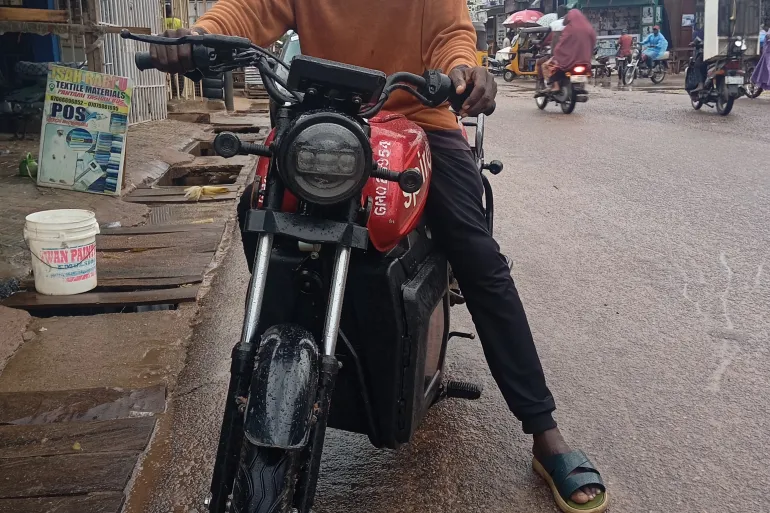
Rising petrol prices are pushing more Nigerians to consider electric motorcycles as a cheaper alternative, with riders in Gombe saying the switch has helped reduce their fuel and maintenance expenses.
In Gombe, electric motorcycles are increasingly appearing alongside conventional petrol-powered bikes. Unlike their petrol counterparts, the battery-powered motorcycles operate quietly and produce no exhaust fumes.
The growing interest follows the removal of Nigeria’s petrol subsidy in May 2023, which caused fuel prices to rise sharply. In Gombe, petrol now sells for about ₦1,365 per litre, compared with roughly ₦200 before the subsidy was removed.
For many commercial and private riders, the increase has significantly raised transportation and operating costs.
Lower running costs
Electric motorcycles typically cost around ₦1 million, making the initial purchase expensive for many Nigerians. However, owners say their lower running costs make them attractive over time.
Ayuba Abubakar, a farmer in Gombe who has used an electric motorcycle for about three months, said he can travel around the city for an entire day without recharging.
He estimates that the motorcycle saves him about ₦5,000 a week in fuel costs. He also said he has experienced very few maintenance problems compared with petrol-powered motorcycles.
Other riders highlighted additional savings, including not having to purchase engine oil, while some said they preferred the bikes because of their quiet operation.
Electricity remains a major challenge
Despite the potential savings, unreliable electricity supply remains a major obstacle to the widespread adoption of electric motorcycles in Nigeria.
With electricity often unavailable for long periods, riders may be forced to rely on petrol or diesel generators to charge their bikes. Clean-energy entrepreneur Muhammad Abubakar warned that this could simply shift emissions from motorcycles to generators.
He advocated for solar-powered battery-swapping stations, which would allow riders to exchange depleted batteries for fully charged ones instead of waiting to recharge their motorcycles.
He also called for government support through lower import duties on electric-bike components, battery-swapping infrastructure, battery-recycling standards and the integration of electric mobility into solar mini-grid projects.
For now, electric motorcycles remain relatively uncommon in Gombe. However, as petrol prices remain high and charging and battery-swapping infrastructure develops, the growing number of electric bikes on the streets could signal a gradual transformation of Nigeria’s transport sector.
Beyond reducing riders’ operating costs, wider adoption could also help reduce air pollution from petrol-powered motorcycles and vehicles in major Nigerian cities.


