


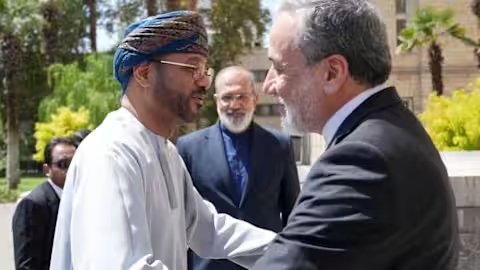
Iran and Oman have moved closer to an agreement on reopening the Strait of Hormuz, with the two countries discussing plans for a temporary shipping corridor and a joint operation to clear mines from the strategic waterway.
The development followed talks in Tehran between Oman’s Foreign Minister, Badr Albusaidi, and his Iranian counterpart, Abbas Araghchi, as both countries seek to restore safe navigation through the strait, which has been severely disrupted by the ongoing Middle East conflict.
A joint statement issued by Oman said the ministers agreed on a phased framework that could provide a practical basis for restoring navigation. The plan includes establishing a temporary joint navigational corridor and implementing a joint project to remove mines from the waterway.
Albusaidi, in a post on X after the meeting, expressed hope that the two countries would soon announce the temporary corridor. He said discussions on the future management of the strait and a permanent arrangement would follow.
Further technical negotiations are expected to focus on establishing a permanent navigational corridor, determining the future administration of the waterway and creating mechanisms for information-sharing, traffic management and the provision of navigational and security services.
Iran and Oman also stressed the need for consultations with other Gulf states bordering the waterway as part of efforts to establish a long-term solution.
The announcement came as US President Donald Trump claimed that all mines had been removed or detonated in the international waters of the Strait of Hormuz. He also warned Iran against laying new mines, saying any vessel involved would face immediate destruction.
The Strait of Hormuz has remained largely paralysed since the outbreak of the conflict following US and Israeli attacks on Iran on February 28. Tehran subsequently blockaded the strategic waterway, while Washington imposed a naval counter-blockade on Iranian ports.
The disruption has had major implications for global energy markets, as the Strait of Hormuz normally handles about one-fifth of the world’s oil and liquefied natural gas exports.
Iran and Oman, which both border the strait, have been negotiating the future of navigation for weeks. Tehran has said the geographical coordinates for a proposed route have already been agreed.
However, Iranian officials maintain that the waterway will not be fully reopened until the United States meets Tehran’s demands, including lifting its naval blockade, removing oil sanctions and unfreezing Iranian assets held abroad.


