


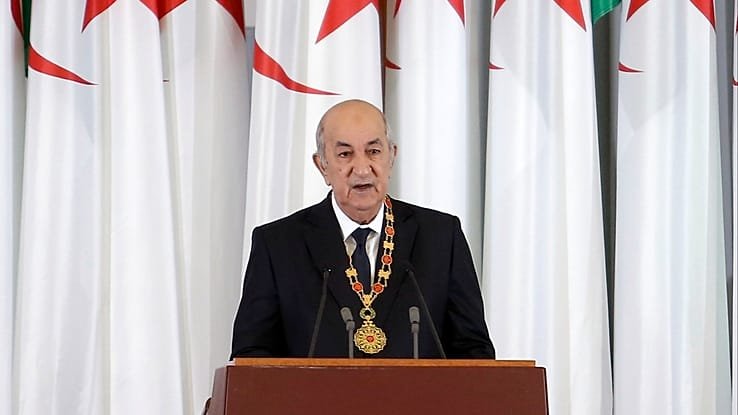
Algeria has announced the severance of diplomatic relations with the United Arab Emirates (UAE), citing the failure of efforts to resolve years of growing tensions between the two countries.
Algeria’s state television announced the decision on Thursday, saying all attempts to preserve bilateral relations had been exhausted.
“Algeria has decided to cut diplomatic relations with the United Arab Emirates, following the exhaustion of all means to preserve bilateral relations,” the broadcaster reported.
Algiers also ordered the UAE ambassador to leave the country within 48 hours, in line with the diplomatic decision.
The move follows years of strained relations, with Algeria repeatedly accusing Abu Dhabi of interfering in its domestic affairs and pursuing policies it considers destabilising across the region.
Algerian President Abdelmadjid Tebboune has previously criticised the UAE in strong terms, at times referring to it as a “micro-state” or “statelet” allegedly seeking to influence events in several countries.
In a televised interview in July, Tebboune accused the UAE of having a “very negative impact” in the region.
“Wherever they set foot, blood flows,” he said, warning against what he described as Emirati involvement in regional conflicts.
“We want them to stay away, so that blood does not flow in our country,” Tebboune added.
The Algerian president had also indicated that a diplomatic rupture could have occurred earlier but said his government had sought to prevent further divisions within the Arab world.
The latest decision marks a significant deterioration in relations between the North African country and the Gulf state and comes after months of increasingly public criticism.
Algiers has maintained that its foreign policy is guided by respect for national sovereignty and non-interference, while its disagreements with Abu Dhabi have increasingly extended beyond bilateral issues to developments across the wider region.
The diplomatic break is expected to further reshape relations between Algeria and the UAE, while potentially affecting their positions on a range of regional political and security issues.


, citing the failure)