



Africa’s already stretched healthcare systems are facing fresh pressure following sweeping cuts to United States foreign aid, prompting renewed calls for countries in the Global South to take greater control of their health systems.
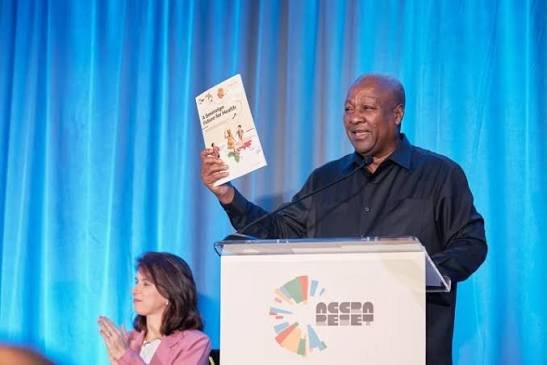
A new report, A Sovereign Future for Health, warns that the withdrawal of major US programmes, including USAID and health assistance, has exposed the vulnerability of countries that remain heavily dependent on external funding. The report was produced by the Accra Reset, a global health initiative led by Ghanaian President John Dramani Mahama.
The warning comes as international health programmes grapple with funding shortages, rising costs and the continuing consequences of the Covid 19 pandemic. The Global Fund has also warned that recent aid reductions are hitting disease prevention programmes particularly hard, with disruptions to diagnostics, medicines and prevention campaigns.
External financing for health in Africa contracted by close to 70% between 2021 and 2025
The scale of Africa’s dependence is stark. The continent produces less than one per cent of the vaccines it uses, despite carrying a huge share of the world’s infectious disease burden. Africa CDC has set a target of producing 60 per cent of the continent’s vaccine needs locally by 2040.
The Covid 19 crisis exposed the risks of that dependence, as African countries faced delays and fierce competition for vaccines and medical supplies. Researchers have since called for greater investment in African manufacturing, research and regulatory capacity.
Mahama argues that political independence has not translated into sufficient control over the systems that determine health security. The Accra Reset report therefore calls for stronger national health systems, regional cooperation and a new global health architecture built around greater local capability.


