



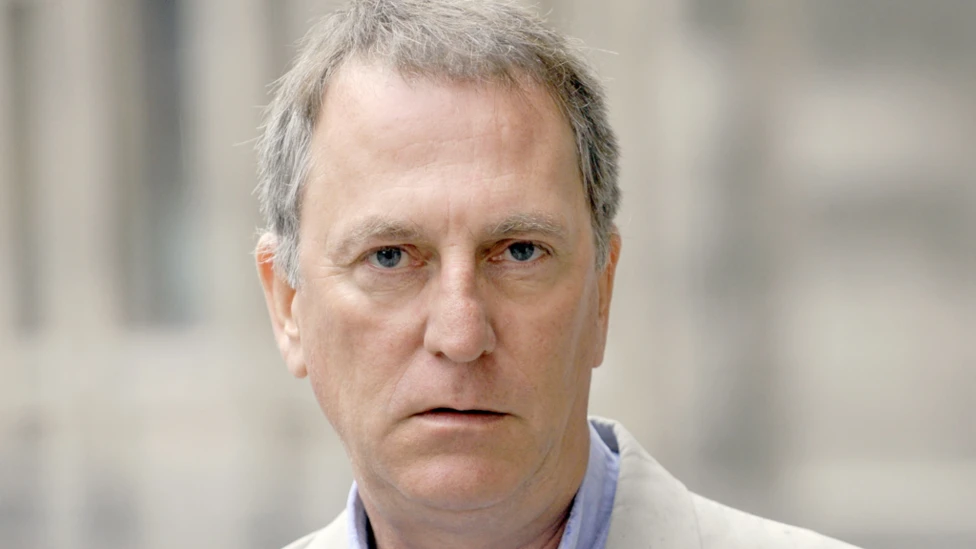
Veteran BBC Africa correspondent Mark Doyle, whose reporting from some of the continent’s most devastating conflicts earned him international respect, has died aged 67 after a short illness.
Doyle joined the BBC in 1986 after living in Africa and went on to build a distinguished career covering wars, humanitarian crises and political upheaval across the continent. He became the BBC’s East Africa correspondent in 1993, a posting that placed him at the centre of the unfolding Rwandan genocide in 1994.
Doyle remained in Rwanda after many foreign journalists had left during the evacuation of expatriates. According to accounts from UN personnel, he lived alongside peacekeepers, shared their limited supplies and continued filing reports for the BBC, becoming one of the few foreign journalists providing regular accounts from Kigali.
His reporting later took him to West Africa, where he served as correspondent from 1997 to 2002. He covered the brutal civil war in Sierra Leone, including the fighting in Freetown, as well as Liberia’s conflict and its aftermath. His work examined the devastating impact of war on civilians and the international efforts to restore peace.
BBC foreign editor Paul Danahar described Doyle as a legendary figure and a brilliant, brave and empathetic reporter.
Colleagues have recalled not only his courage but his commitment to journalism and the people whose stories he covered. Fergal Keane, another prominent BBC Africa correspondent, remembered Doyle’s determination to remain in Rwanda when others had departed.
Doyle’s reporting also attracted recognition beyond the BBC. In 2004, he won first prize in the UN Correspondents Association and UN Foundation Awards for his coverage of post war Liberia.
He later became the BBC’s World Affairs correspondent before retiring from the corporation in 2015.


