



Mozambique is facing a growing drug-use problem as trafficking networks increasingly turn the southern African country from a transit route into a market for illicit drugs, officials and experts have warned.
In the sweltering heat of Maputo, 27-year-old Elton Raimundo Joaquim scavenges for scrap metal near one of the capital’s largest drug-use areas to raise money for food and drugs.
“I used to record music. I needed inspiration when I went into the studio,” Joaquim said, describing how he became addicted.
He said he had attempted rehabilitation but was unable to overcome his addiction, adding that he had stolen to finance his use of cannabis, crack cocaine and heroin.
“The drug pushes you to buy more,” he said.
Government figures show that hospital admissions linked to drug use increased by 38 per cent last year to more than 32,280. Experts, however, say the figures likely represent only a fraction of the scale of the problem.
Paulo Ferrao, a university graduate who voluntarily entered the REMAR rehabilitation centre outside Maputo four years ago, said access to drugs had become easier, with crystal methamphetamine increasingly circulating among young people.
“We’re receiving more methamphetamine cases, which means heroin is no longer enough for the people behind drug trafficking,” Ferrao said.
At the rehabilitation centre, patients participate in activities including cleaning, metalwork, carpentry and religious services. Ferrao, who now has responsibilities including public relations, said the increase in methamphetamine cases was a growing concern.
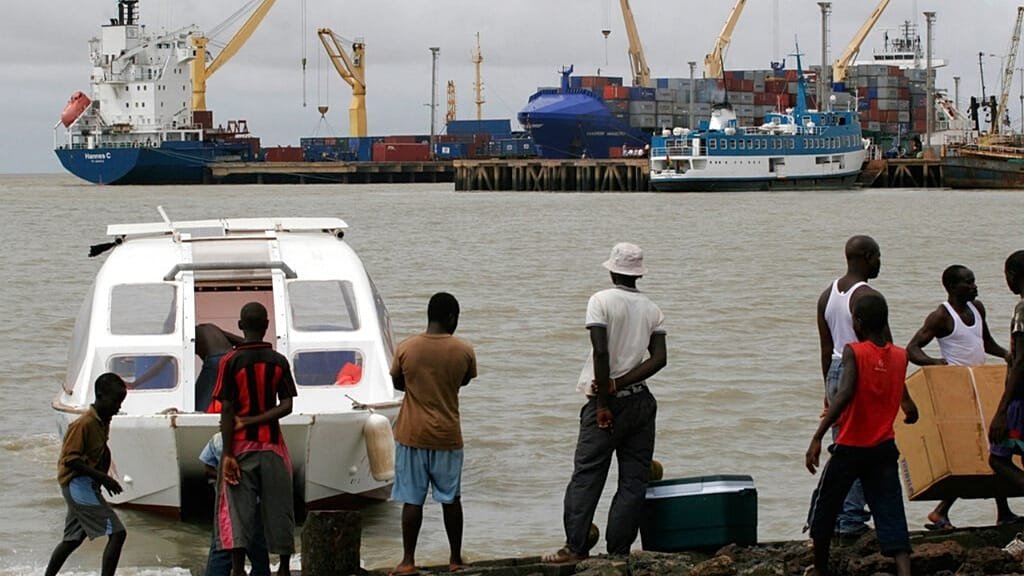
Mozambique’s location along international trafficking routes, its 2,500-kilometre Indian Ocean coastline and porous borders make it an important transit point for illicit drugs, according to the country’s drug prevention bureau, GCPCD.
Jose Bambo, a spokesman for the agency, said Mozambique was previously viewed primarily as a transit country.
“Up until about five years ago, our country was seen only as a transit point,” he told AFP.
“The drugs arrived in Mozambique but they were distributed to the rest of the world, Africa in particular,” he said.
“Now our main concern is that our country has also become a consumer.”
Mozambique has stepped up cooperation with international anti-drug organisations and neighbouring countries, including Tanzania and South Africa, with information sharing forming part of the effort, Bambo said.
The cooperation recently helped facilitate the extradition from Botswana of six Mexican nationals accused of involvement in drug manufacturing.
Authorities said methamphetamine, production equipment and chemical precursors were seized from a village outside Maputo.
Bambo said four Mexican nationals suspected of involvement in drug trafficking had been arrested in Mozambique this year.
He also acknowledged gaps in the country’s enforcement capacity, including shortages of drug-detection scanners, sniffer dogs and specialised personnel.
“In recent times, drugs have been coming in disguised as cosmetics, as snacks, as construction materials,” he said.
Antonio De Vivo, the UN’s drugs office representative in Mozambique, said the country had historically served as a transit route for heroin and methamphetamine but was now also experiencing increased cocaine trafficking.
He linked the development to the so-called “Lusophone route”, connecting Brazil with other Portuguese-speaking countries.
Authorities have also reported seizures involving fentanyl, a highly addictive synthetic opioid associated with a severe overdose crisis in the United States. More than five tonnes have reportedly been seized this year.
“Whenever you are a transit country, a small portion of what is transiting usually stays,” De Vivo told AFP.
He warned that countries with low incomes and young populations such as Mozambique could be particularly vulnerable to cheaper synthetic drugs.
The development mirrors concerns elsewhere in the region, including South Africa, where authorities have uncovered drug-production laboratories allegedly involving Mexican nationals accused of serving as chemists or trainers for local workers.
“Local production will inevitably lead to an increase in consumption,” De Vivo said.
He added that the increase in drug use was “steady and continuous”, warning that the problem could become more severe if trafficking and local production continue to expand.


