



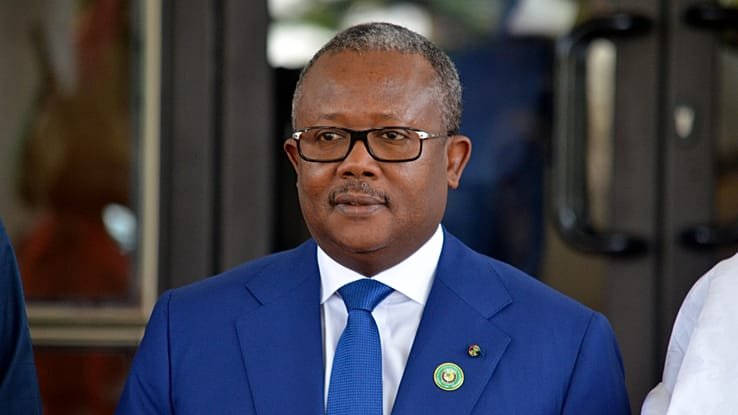
Guinea-Bissau’s exiled former president, Umaro Sissoco Embalo, has said he plans to return to the country and contest the presidential election scheduled for December 6.
Embalo, who was removed from office in a military coup in November, told AFP on Monday that he would return to Guinea-Bissau but did not disclose when.
“I will be a candidate in the presidential election,” Embalo said.
The military seized power days after a presidential election, overthrowing Embalo and suspending the electoral process. The junta, led by General Horta N’Tam, subsequently announced December 6 as the date for presidential and legislative elections aimed at restoring civilian rule.
The coup took place on November 26, a day before provisional results from the presidential election were expected to be announced.
Embalo had been outside the country since the military takeover.
Some observers have alleged that Embalo may have sought to disrupt the electoral process because of concerns about the outcome, but no definitive finding establishing his involvement has been presented.
Last week, N’Tam, who is serving as transitional president, said Embalo and other Guineans were free to return to the country.
“Every Guinean is free to return to their country if they have nothing to be ashamed of,” N’Tam told a radio journalist when asked about Embalo.
Activists have reportedly been making preparations for Embalo’s possible return.
Political analyst Malam Cisse told AFP that there was no apparent legal barrier preventing Embalo from returning, arguing that he had been removed from office through a military takeover and had not signed any document renouncing his political rights.
History professor Bassirou Sadio similarly said eligible citizens should be allowed to participate in the electoral process once legal requirements were met.
N’Tam, who also heads the transitional administration, is barred from contesting the presidential election under the country’s transitional charter.
The military has justified its seizure of power by citing the need to preserve national order following what it described as the discovery of a destabilisation plot allegedly involving drug traffickers.
The country subsequently held a referendum on constitutional reforms in August, with voters approving changes that give the president greater powers.
The junta has said the reforms are intended to strengthen state institutions ahead of the December elections. Opposition groups, however, have called for a boycott of the electoral process, underscoring the political tensions surrounding the transition.
Guinea-Bissau has experienced repeated political instability since gaining independence from Portugal in 1974, including several coups and attempted military takeovers.
The country also faces persistent economic challenges, while its strategic location and weak institutions have contributed to concerns over organised crime and drug trafficking.


