



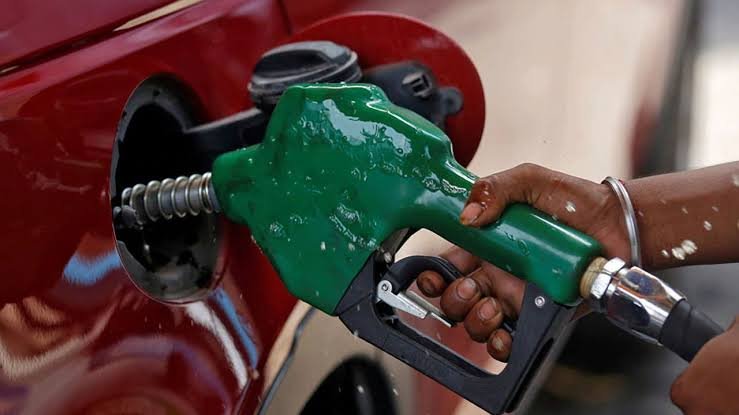
Nigeria’s petrol price relief measure could cost the country between N883bn and N1.77trn, potentially worsening fiscal pressures, undermining foreign exchange stability and weakening investor confidence if sustained beyond its planned duration.
BMI, a Fitch Solutions company, raised the concern in its latest report, titled Fuel Discount Mechanism Raises Macro Risks in Nigeria, warning that prolonged implementation could undermine the country’s fiscal position.
The research firm estimated that the intervention could cost between 0.2 and 0.4 per cent of Gross Domestic Product, assuming the measures are withdrawn in late first quarter or early second quarter of 2027.
Based on Nigeria’s 2025 nominal GDP of approximately N441.5trn, the projected cost translates to between N883bn and N1.77trn. The naira figures are indicative calculations derived from BMI’s GDP estimates.
The warning comes as Nigeria faces mounting fiscal pressures ahead of the 2027 general elections. BMI projected that the country’s budget deficit could rise from 1.7 per cent of GDP in 2025 to 3.3 per cent in 2026.
The relief package followed an October 8 announcement by the Minister of Finance, Taiwo Oyedele, introducing a 30-day measure requiring Nigerian National Petroleum Company Limited retail outlets to sell petrol without adding retail profit margins.
The government also proposed a wholesale petrol price benchmark of N1,350 per litre, under which refiners and importers would absorb costs above the threshold and recover their losses when crude oil prices decline.
Other measures include forward crude oil sales to domestic refineries, the creation of a national strategic fuel reserve, expanded cash transfers and additional assistance for vulnerable households.
Although the government initially set a 30-day timeline for the intervention, BMI expects the discount mechanism to remain in place for about six months, potentially extending into early 2027.
The firm said this projection partly reflects expectations that global crude oil prices could decline following a possible agreement between the United States and Iran in the first quarter of 2027.
BMI acknowledged that the current arrangement differs from Nigeria’s former petrol subsidy regime, under which the government absorbed the difference between regulated pump prices and market costs.
Under the new mechanism, NNPC Retail forgoes its retail profit margin, while pump prices are expected to reflect underlying market costs.
However, the firm warned that the arrangement could introduce fresh economic distortions if it becomes a permanent feature of the petroleum market.
“We see significant macroeconomic risks if the NNPC fuel discount mechanism is not removed and instead becomes entrenched,” the report stated.
BMI warned that an extended intervention could reduce NNPC’s remittances to government accounts, leaving fewer resources for infrastructure, public services and security. It added that declining fiscal credibility could increase government borrowing costs and intensify debt-servicing pressures.
The report also identified risks to the downstream petroleum sector, warning that reduced retail margins could discourage investment and weaken incentives for businesses operating in the industry.
On the foreign exchange market, BMI cautioned that cheaper petrol in Nigeria could encourage cross-border smuggling if domestic prices fall substantially below those in neighbouring countries.
Such activity could increase fuel supply requirements and demand for foreign exchange, potentially worsening dollar shortages and placing renewed pressure on the naira.
The firm further warned that concerns about a possible reversal of economic reforms could discourage foreign portfolio investors, reducing an important source of foreign currency inflows.
BMI also raised concerns about the potential implications for the Dangote Refinery and its planned initial public offering, arguing that increased government involvement in petroleum pricing could weaken investor confidence.
According to the report, requiring suppliers to sell fuel at cost without a clear mechanism for recovering forgone profits could undermine profitability and encourage refiners to prioritise exports over domestic supplies.
However, BMI described the proposed forward sale of crude oil to domestic refineries as a more promising approach to improving local fuel supply, despite previous implementation challenges.
The Federal Government, meanwhile, has maintained that the petrol discount does not constitute a return to fuel subsidy, insisting that public funds are not being used to reduce pump prices at NNPC retail outlets.
It said the relief was being financed through NNPC Retail Limited’s decision to forgo its retail profit margin, rather than through payments from the federal budget or the Federation Account.


