



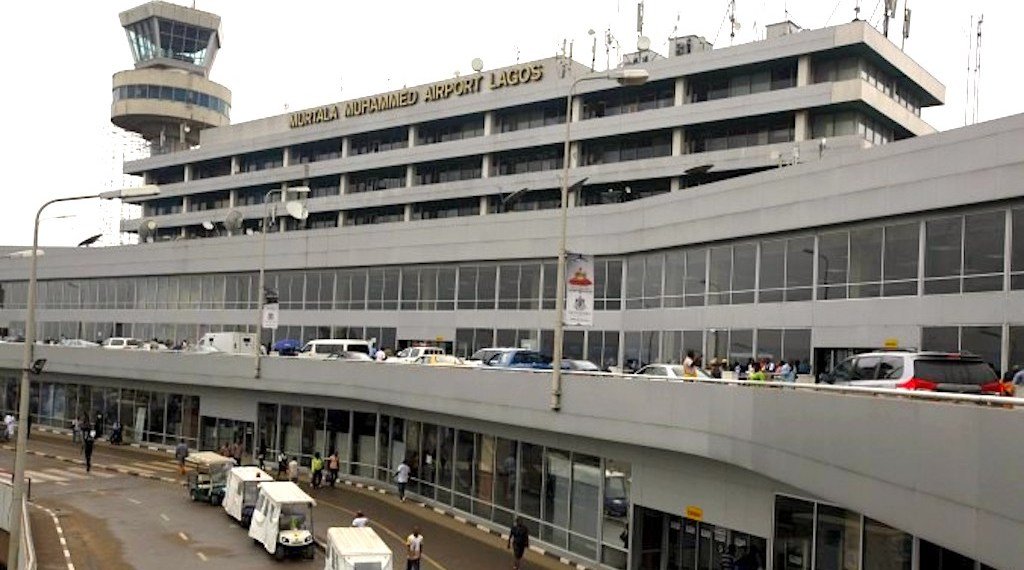
The introduction of a biometric passenger verification system at the Murtala Muhammed International Airport, Lagos, is expected to change how travellers gain access to airport facilities, but its success may ultimately depend on whether the technology can address the persistent complaints of harassment, unnecessary delays and questionable conduct by some officials at the country’s busiest airport.
The Federal Government is scheduled to unveil the Airport Passenger Verification System, known as vPASS, on Monday, November 16, 2026, as part of efforts to strengthen airport security, modernise passenger processing and improve the travel experience.
The initiative comes amid growing concerns about the treatment of passengers at Nigerian airports, particularly in Lagos, where travellers have at different times complained about excessive checks, repeated demands for identification, congestion and encounters with officials at various airport access points.
While the introduction of facial recognition and electronic gates could reduce some of the human contact involved in routine identity verification, questions remain about whether the system will go beyond improving access procedures to address the broader concerns surrounding passenger treatment.
The Director of Public Affairs and Consumer Protection at the Federal Airports Authority of Nigeria (FAAN), Henry Agbebire, disclosed the planned introduction in a statement issued on Friday, November 13.
According to Agbebire, the system was developed in partnership with Verxid Technologies Limited to provide a secure and efficient means of verifying passengers’ identities at designated airport access points.
He described the initiative as another milestone in FAAN’s efforts to modernise airport operations, strengthen security and improve passenger experience.
“This marks another milestone in the Federal Airports Authority of Nigeria’s efforts to modernise airport operations, strengthen security and improve passenger experience,” he said.
Under the arrangement, passengers will undertake a one-time registration using their National Identification Number (NIN) and facial verification. Their identities will then be authenticated against the relevant secure national identity database.
Following successful registration, passengers will be able to use facial recognition technology to gain access through designated airport entry points equipped with electronic gates, commonly referred to as e-gates.
The first phase of the rollout will cover the domestic terminals of the Murtala Muhammed Airport in Lagos and the Nnamdi Azikiwe International Airport in Abuja.
Agbebire urged passengers to register on the vPASS platform before their flights to take advantage of what FAAN described as a faster and more convenient airport experience.
The technology is expected to reduce the need for passengers to repeatedly present physical identification documents at designated entry points. It could also limit direct interactions with personnel responsible for checking travel documents and confirming identities, potentially reducing opportunities for unnecessary delays and arbitrary interference during the entry process.
However, the bigger question is whether biometric verification will address the wider problems that have made navigating some sections of Lagos airport uncomfortable for travellers.
Over the years, passengers have raised concerns about alleged harassment, intimidation, touting and extortion involving individuals operating within the airport environment. Some travellers have complained about repeated searches, demands for money and delays allegedly designed to compel passengers to part with cash before proceeding with their journeys.
A BusinessDay investigation published in May 2026 highlighted concerns about the continued use of manual search points at Lagos airport despite investments in modern security screening equipment. The report examined how interactions at some of these points could expose passengers to harassment and exploitation.
In July, a passenger, Susan Ogundele, also petitioned the Minister of Aviation and Aerospace Development, Festus Keyamo, over alleged harassment, selective enforcement of airport traffic regulations and extortion by airport enforcement officials.
According to a report by Vanguard, the passenger alleged that her driver was made to pay N25,500 following a brief stop to enable her to collect a luggage trolley. She called for an investigation into the incident and a review of airport traffic enforcement procedures.
The allegations had not been independently established, and FAAN’s response was not available at the time of the report. Nevertheless, the complaint reflects the concerns some travellers have continued to express about their experiences at the airport.
Indeed, the problem has attracted attention from aviation authorities, which have previously introduced measures aimed at improving passenger treatment and eliminating unauthorised activities.
In August 2026, FAAN, in collaboration with the SERVICOM Office of the Presidency, launched Operation Air Clean at Lagos airport to tackle touting, extortion, impersonation and unauthorised facilitation.
The initiative brought together representatives of security agencies, airlines and other airport stakeholders to promote professionalism and improve the treatment of passengers.
Among the measures discussed were stronger airport access control, improved monitoring, digital reporting channels and greater collaboration among agencies operating within the airport environment.
The government also encouraged passengers to report incidents of harassment and extortion rather than surrendering to demands from unauthorised individuals.
FAAN has also maintained that harassment, corruption, touting and other illicit activities are prohibited at Nigerian airports. The authority provides dedicated telephone and WhatsApp channels through which passengers can report such incidents.
These measures suggest that the government recognises that improving airport experience requires more than investments in equipment and infrastructure.
Against this background, vPASS could provide an additional layer of control by making passenger identification more systematic and reducing unnecessary human intervention at designated access points.
But its effectiveness in addressing harassment will depend largely on the scope of its deployment and the extent to which airport authorities are prepared to enforce compliance among the different agencies operating at the terminals.
This is because passenger verification is only one aspect of airport security and processing. Travellers still have to undergo other procedures involving aviation security personnel, immigration officers, customs officials and other relevant agencies, depending on the nature of their journeys.
The biometric system, as presently described by FAAN, is primarily designed to verify identities and regulate access through designated electronic gates. It does not automatically eliminate the need for other security checks or give passengers exemption from lawful screening procedures.
Consequently, even if vPASS makes entry into designated airport areas faster, it may not prevent incidents occurring at other points where passengers interact with officials.
There are also questions about the protection of passengers’ personal information, particularly because the system will rely on the NIN and facial verification.
Biometric information is sensitive personal data, and its collection and processing must be handled in accordance with the Nigeria Data Protection Act 2023. The law establishes obligations for organisations processing personal information, including requirements relating to lawful processing, security and the protection of individuals’ privacy.
FAAN and its technology partner will therefore need to provide clear information about how passengers’ biometric details are collected, stored, protected and accessed, as well as the safeguards against unauthorised use or disclosure.
Passengers will also need assurances about what happens when the facial recognition system fails to recognise an individual, whether because of technical difficulties or other circumstances. A reliable alternative verification procedure will be necessary to ensure that legitimate travellers are not unnecessarily delayed or denied access.
Another important consideration is the accessibility of the system. While regular domestic travellers may find one-time registration convenient, passengers unfamiliar with digital verification, those without easy access to registration facilities and individuals experiencing technical difficulties will require adequate assistance.
For vPASS to achieve its objectives, FAAN will need to ensure that the electronic gates function consistently and that trained personnel are available to assist passengers when problems arise.
Ultimately, the introduction of biometric passenger verification is a welcome development in the modernisation of Nigeria’s aviation infrastructure. Reducing dependence on manual identity checks could improve efficiency, strengthen access control and make airport procedures less cumbersome.
But technology alone cannot correct misconduct or replace the need for discipline among personnel.
The experience of passengers at Lagos airport will depend not only on how quickly they pass through electronic gates but also on how they are treated throughout their journey, from arrival at the terminal to boarding their aircraft.
If the Federal Government wants vPASS to make a meaningful difference, its introduction must be accompanied by stronger supervision of airport personnel, transparent complaint-handling procedures and appropriate sanctions against officials found culpable of harassment or extortion.
The real test of the new system, therefore, will not simply be how many passengers it processes or how quickly they gain access to airport facilities, but whether it contributes to an environment where travellers can move through the airport without fear of intimidation, unnecessary delays or demands for unofficial payments.
For passengers who have repeatedly called for a more orderly and respectful airport experience, that is the improvement that will matter most.


