



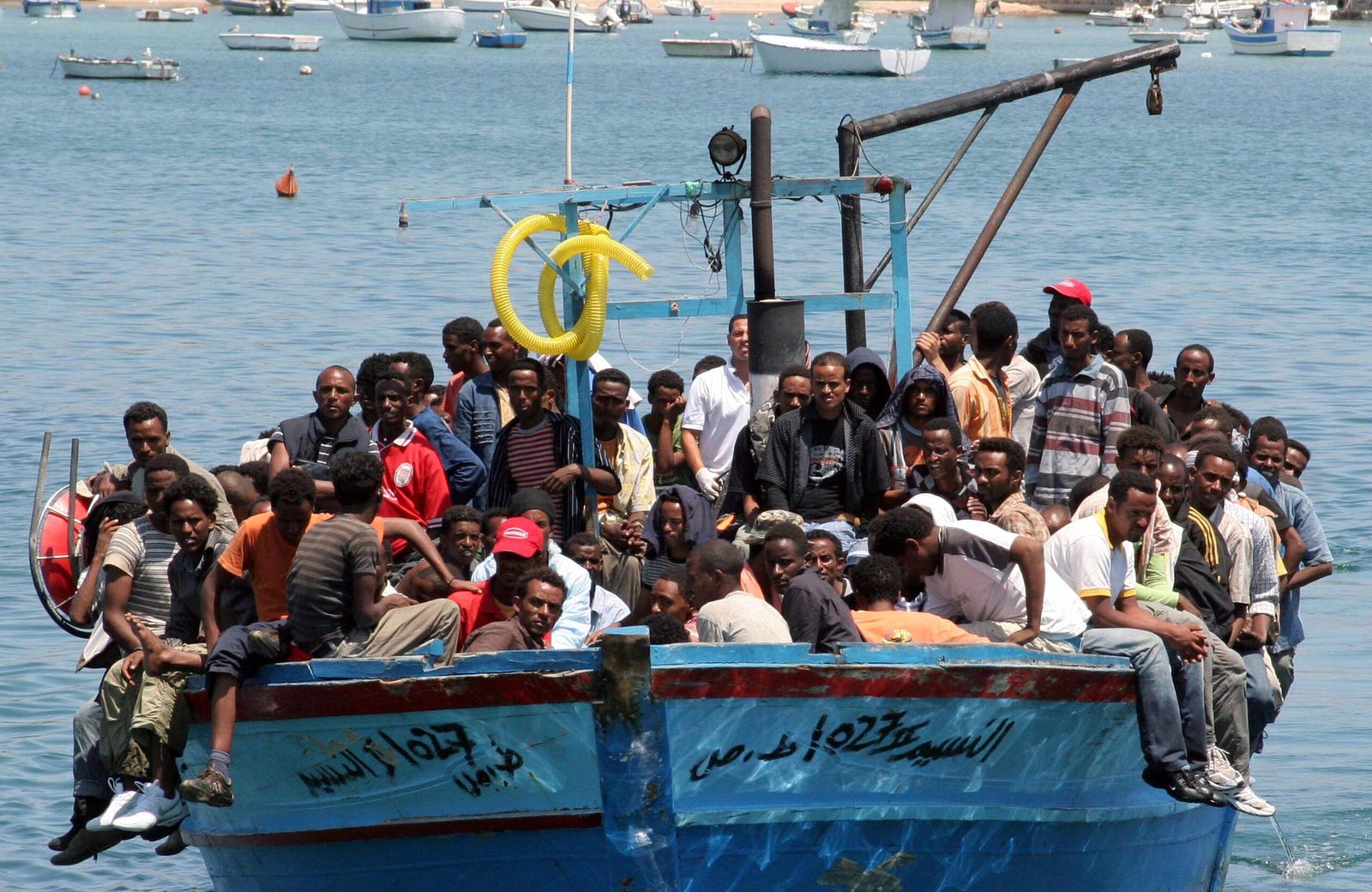
The renewed push by Senegal and the United Nations to dismantle migrant trafficking networks in West Africa comes amid growing desperation among young people seeking better economic opportunities abroad and a resurgence of dangerous sea crossings to Europe.
The two sides on Friday called for stronger cooperation between countries, tougher action against criminal networks and increased investment in employment opportunities, as thousands of migrants continue to risk their lives attempting to reach Europe through the Atlantic route.
The journey, often undertaken in overcrowded wooden boats known as pirogues, has become one of the most dangerous migration routes, with many vessels poorly equipped to withstand the rough waters and long distances involved.
Thousands of migrants from West Africa have died in recent years attempting to reach Spain’s Canary Islands, while survivors frequently recount journeys marked by hunger, exhaustion, violence and exploitation.
The latest calls for action followed a deadly shipwreck off the coast of Thieppe, a northwestern Senegalese town, earlier this month, in which at least 43 people were killed, making it one of the deadliest migration disasters in Senegal’s history.
The tragedy has again drawn attention to the criminal networks that recruit, transport and exploit migrants, often promising them safe passage and lucrative opportunities in Europe before exposing them to life-threatening conditions.
At a regional ministerial conference in Dakar on migrant trafficking networks, Director-General of the International Organization for Migration (IOM), Amy Pope, said many of those embarking on the journeys were young people with skills and aspirations who had fallen victim to criminal operators.
“They are young people with valuable skills who were simply looking for work and were deceived and exploited by criminal networks,” Pope said.
The conference brought together representatives of 15 countries to discuss coordinated responses to migrant trafficking, irregular migration and the conditions driving people to leave their home countries.
Senegalese Justice Minister Moussa Sarr stressed the importance of strengthening judicial and law-enforcement cooperation across national borders, arguing that traffickers could not be effectively prosecuted if countries continued to operate independently.
“We must get all countries to impose severe sanctions on all these sellers of illusions, these smugglers,” he said.
The minister’s remarks underscored concerns that trafficking networks exploit differences in national laws, weak enforcement and the difficulties of investigating criminal operations that span multiple countries.
For the IOM, tackling the problem requires more than arrests and prosecutions. Pope argued that governments must also address the economic pressures pushing young people towards irregular migration, particularly unemployment and limited access to sustainable livelihoods.
She identified agriculture and agro-processing as potential areas for job creation, saying investments in these sectors could provide young people with opportunities at home while supporting families and local economies.
“Jobs in agriculture and agri-food can help families stay, allow young people to thrive and create new prospects,” she said.
The emphasis on employment reflects the growing recognition that migration enforcement alone may have limited impact where poverty, unemployment and economic insecurity continue to fuel the desire to leave.
In Senegal and other West African countries, young people face mounting pressures from limited job opportunities, rising living costs and uncertainty over their economic future. For some, the prospect of earning a living in Europe remains attractive despite the risks associated with irregular migration.
The trafficking networks exploit these vulnerabilities, using promises of employment, travel arrangements and access to foreign destinations to lure prospective migrants. Some migrants are reportedly deceived about the nature of their journeys, while others find themselves exposed to exploitation, abuse and dangerous conditions after paying substantial sums to smugglers.
The challenge for governments is therefore to distinguish between efforts to prevent trafficking and measures that address the broader circumstances behind migration, while ensuring that people seeking opportunities abroad are not left at the mercy of criminal networks.
Regional cooperation is also considered critical because trafficking operations frequently involve recruitment in one country, transit through another and departure from coastal locations where migrants are assembled for sea crossings.
The involvement of 15 countries in the Dakar conference reflects the cross-border nature of the challenge and the need for intelligence sharing, coordinated investigations, stronger prosecution mechanisms and cooperation among security and judicial agencies.
However, the effectiveness of such initiatives will depend on whether commitments made at ministerial meetings translate into concrete action, including the identification and prosecution of trafficking financiers and organisers, rather than focusing predominantly on migrants themselves.
The conference was expected to conclude on Friday with the adoption of a roadmap outlining measures for tackling trafficking networks and strengthening cooperation among participating countries.
For Senegal, which has become a major departure point for migrants attempting the Atlantic crossing, the latest initiative comes against the backdrop of repeated tragedies involving boats carrying people towards the Canary Islands.
The deadly Thieppe shipwreck has renewed pressure on authorities to intensify efforts to prevent further loss of life, while also highlighting the difficulties of discouraging irregular migration without addressing the economic and social factors driving it.
Whether the partnership between Senegal and the United Nations will significantly weaken trafficking networks remains uncertain. But its success will ultimately depend on the ability of participating countries to move beyond declarations, strengthen enforcement across borders and create credible economic alternatives for young people who see migration as their only route to a better future.


