


Nigeria is considering refinancing some of its high-cost debt obligations and raising fresh funds to cover its budget deficit, as stronger oil prices and improving investor sentiment create favourable market conditions.
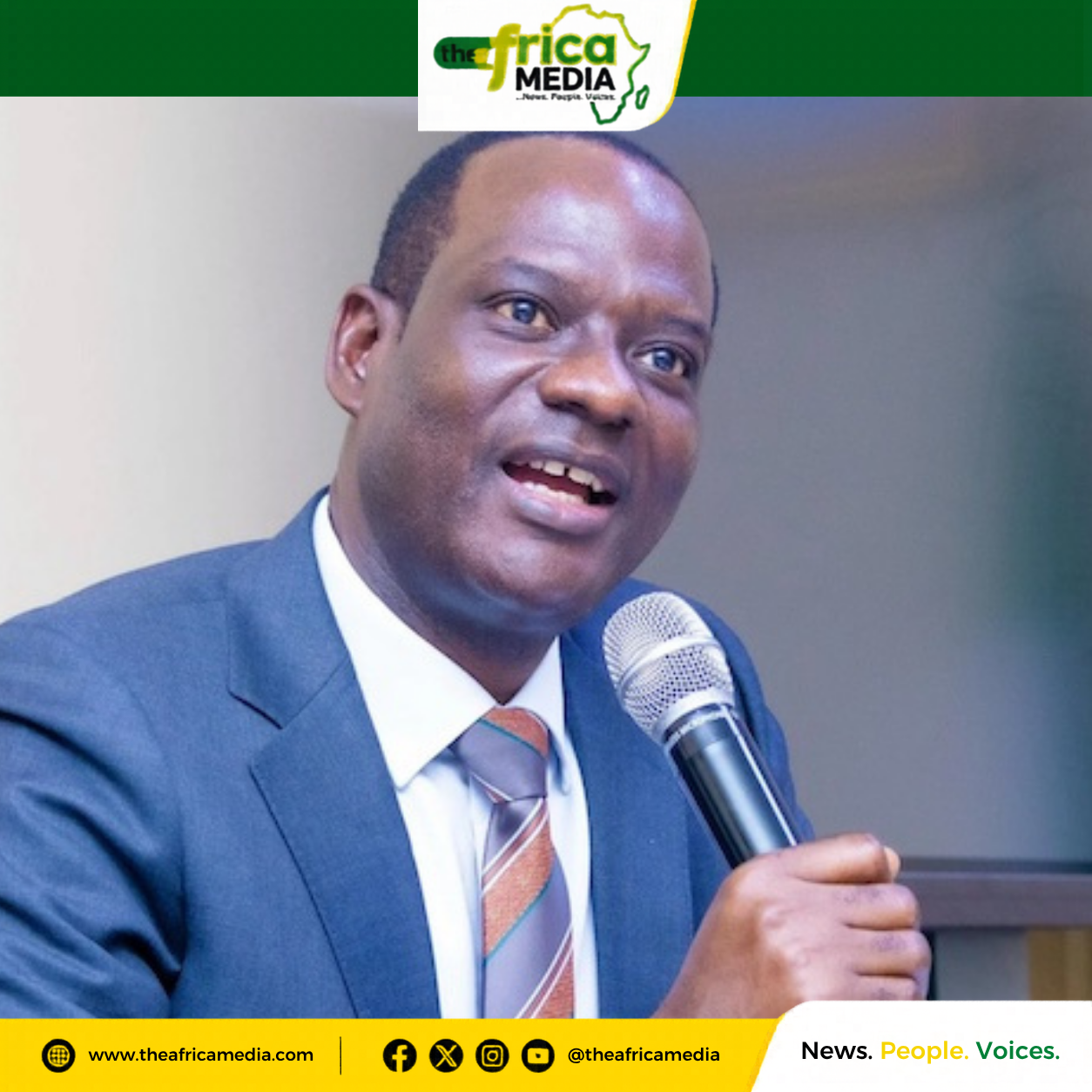
The Minister of Finance and Coordinating Minister of the Economy, Mr. Taiwo Oyedele, disclosed that the Federal Government is exploring opportunities to restructure expensive legacy debts while securing additional financing for critical development projects.
Speaking in an interview with Bloomberg TV, Oyedele said the current economic environment offers Nigeria a chance to improve its debt profile and attract new investments.
“We believe the timing is favourable for refinancing some of our expensive existing debts and raising additional funds for development. Market conditions are currently encouraging, although future conditions remain uncertain,” he said.
The renewed confidence in Nigeria’s economy has been driven largely by rising global crude oil prices, which have increased following tensions in the Middle East. As an oil-producing nation, Nigeria has benefited from higher oil revenues, strengthening its external earnings position and improving investor perception of its creditworthiness.
This improvement has been reflected in the declining premium investors demand to hold Nigerian dollar-denominated bonds compared to United States Treasury securities, indicating growing confidence in the country’s economic outlook.
Despite recent revenue gains, the government still faces an estimated budget deficit of about N30 trillion for the year. Oyedele noted that the administration is therefore keeping various financing options open, including concessional loans from multilateral institutions and development finance organisations.
According to him, discussions are ongoing with the World Bank and other international financial institutions as the government continues to pursue reforms aimed at attracting investment and strengthening public finances.
Since taking office in May 2023, the administration of President Bola Tinubu has implemented a series of economic reforms, including the removal of fuel subsidies, foreign exchange market adjustments, tax policy reforms and measures to boost government revenue generation.
However, while higher oil prices have strengthened government earnings, they have also contributed to global inflationary pressures, increasing the cost of infrastructure projects and essential public services.
Meanwhile, Nigeria may face new trade challenges following a proposal by the Office of the United States Trade Representative (USTR) to impose an additional 12.5 per cent tariff on imports from Nigeria over concerns relating to forced labour regulations.
The proposal is part of a wider trade action targeting about 60 economies under Section 301 of the US Trade Act of 1974. The investigation concluded that several countries had not taken sufficient measures to prevent the importation of goods produced through forced labour.
In its report, the USTR listed Nigeria among countries found to have inadequate prohibitions and enforcement mechanisms against forced labour-related imports. If implemented, Nigerian exports to the United States could face an additional 12.5 per cent duty.
US Trade Representative, Ambassador Jamieson Greer, said countries that fail to address forced labour concerns create unfair competition for American workers and businesses.
He maintained that stronger measures are needed globally to eliminate forced labour from supply chains and ensure fair trade practices.
The proposed tariffs have yet to take effect, as the US government must complete the required review and consultation processes before any final decision is made.
Analysts believe the development could pose a fresh challenge to Nigeria’s export sector if approved, even as the country seeks to strengthen economic growth, improve investor confidence and expand international trade opportunities.


