


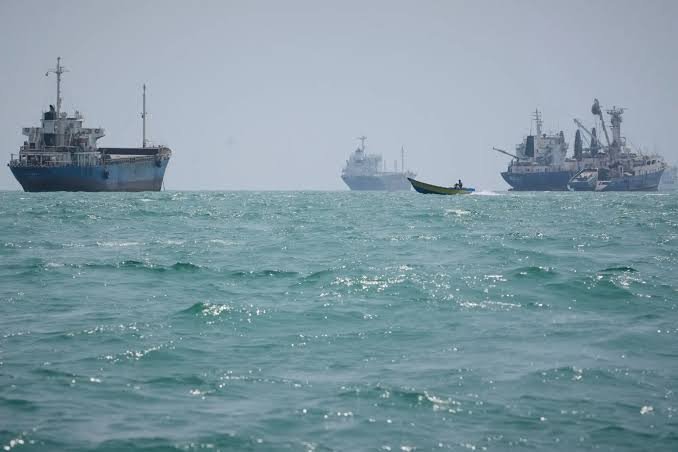
Iran and Oman have agreed on details for new entry and exit routes for ships using the strategic Strait of Hormuz, Iranian officials said on Saturday.
The agreement followed what Iranian officials described as intensive technical and diplomatic consultations between the two countries, which concluded with a final understanding in late August.
According to a source close to Iran’s negotiating team cited by the semi-official Tasnim news agency, the proposed entry route into the Gulf would lie entirely within Iranian territorial waters, while part of the exit route would also pass through Iranian waters.
The source said the routes would operate under arrangements established by Iran, adding that the southern route through the waterway would be closed once the new system becomes operational.
The official also stressed that the agreement did not amount to a reopening of the Strait of Hormuz, saying Iran had set seven conditions for reopening the waterway and had communicated them to the United States.
“The understanding in no way means that the Strait of Hormuz will be opened,” the source said, adding that the waterway would remain closed until Iran’s conditions were met.
Iranian Foreign Ministry spokesman Esmaeil Baghaei said on Friday that foreign ministers from Gulf countries were expected to meet in Muscat on Monday to discuss regional developments, including the outcome of Iran-Oman consultations on establishing safe shipping routes through the strait.
Speaking to Al Jazeera on Saturday, Baghaei said the meeting was expected to include foreign ministers from Gulf states, Iran and Iraq.
He said Iran and Oman would brief participants on the outcome of their discussions concerning the safe passage of vessels through the strategic waterway.
Iran and Oman had earlier said they exchanged views on a proposed phased framework that could include the establishment of a temporary joint shipping corridor in the strait.
The Strait of Hormuz connects the Persian Gulf to the Gulf of Oman and the Arabian Sea and is one of the world’s most important routes for the transportation of crude oil and natural gas.
Iran and Oman control opposite sides of the waterway and have maintained consultations on maritime security and navigation in the strategic passage.
The latest agreement comes amid heightened tensions in the region following reported restrictions on shipping through the strait after US-Israeli strikes on Iran on February 28, while US forces imposed a naval blockade targeting vessels travelling to and from Iranian ports.


