


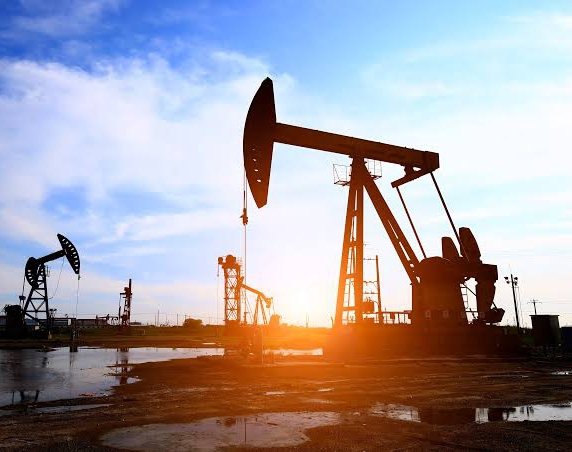
Iran’s oil exports have fallen sharply amid intensified United States sanctions and restrictions on Iranian crude sales, placing additional pressure on Tehran’s finances as renewed tensions in the Middle East drive global oil prices towards $100 per barrel.
Iranian crude loadings have dropped to about 260,000 barrels per day this month, compared with roughly 1.7 million barrels per day recorded a year earlier, according to commodity analytics firm Kpler.
The steep decline in Iranian supply has added to concerns in global energy markets, particularly as disruptions threaten oil shipments through the strategically important Strait of Hormuz.
Brent crude, the international benchmark, climbed to about $97 per barrel on Thursday before easing to around $95.50, according to Oilprice.com, as traders assessed the potential impact of prolonged disruptions to Iranian exports.
The United States has intensified efforts to restrict Tehran’s access to international finance and shut down channels allegedly used by Iran to circumvent existing sanctions, Reuters reported.
Three senior Iranian officials told Reuters that the latest measures were putting increasing pressure on the country’s economy, restricting access to foreign currency and making it more difficult to secure imports of essential goods.
The sanctions are particularly significant for Tehran because oil remains a major source of government revenue. Restrictions have reduced Iran’s ability to market its crude and maintain the networks it has used to bypass sanctions, including front companies, unregistered tankers and smuggling operations.
Iran’s wider trade position has also weakened. President Masoud Pezeshkian said the country’s trade had contracted by between 25 and 35 per cent, with imports declining more sharply than exports.
The economic pressure has been compounded by the United Arab Emirates’ decision on August 19 to suspend commercial transactions and financial dealings with Iran until further notice.
At home, the crisis has been reflected in a dramatic depreciation of the Iranian rial. The currency, which traded at about one million rials to the dollar a year ago, has now fallen beyond 2.2 million rials per dollar.
Inflation has also surged, with official figures putting the 12-month average at 69.9 per cent. Prices of food, beverages and tobacco have risen even faster, increasing at almost twice the overall inflation rate.
Iran’s domestic fuel supply is also coming under pressure. A senior Iranian source told Reuters that the country has only about two months of petrol reserves, despite being a major oil producer, because its refining capacity is inadequate to meet domestic demand.
The worsening economic conditions are placing additional strain on households. Official estimates put average monthly salaries at about $125, while basic household expenses are estimated at approximately $450.
The economic crisis is unfolding against the backdrop of escalating military tensions between Iran and the United States. Continued attacks and retaliatory strikes have raised fears of further disruptions to oil production, exports and shipping, potentially keeping crude prices elevated.
For global energy markets, the direction of oil prices will largely depend on the duration and scale of disruptions involving Iran and the Strait of Hormuz. Any broader threat to regional oil supplies could further tighten global markets and push prices higher.


