


The Kenyan government has given foreign nationals operating businesses in the country 90 days to regularise their documentation, including work permits, business registration and operating licences.
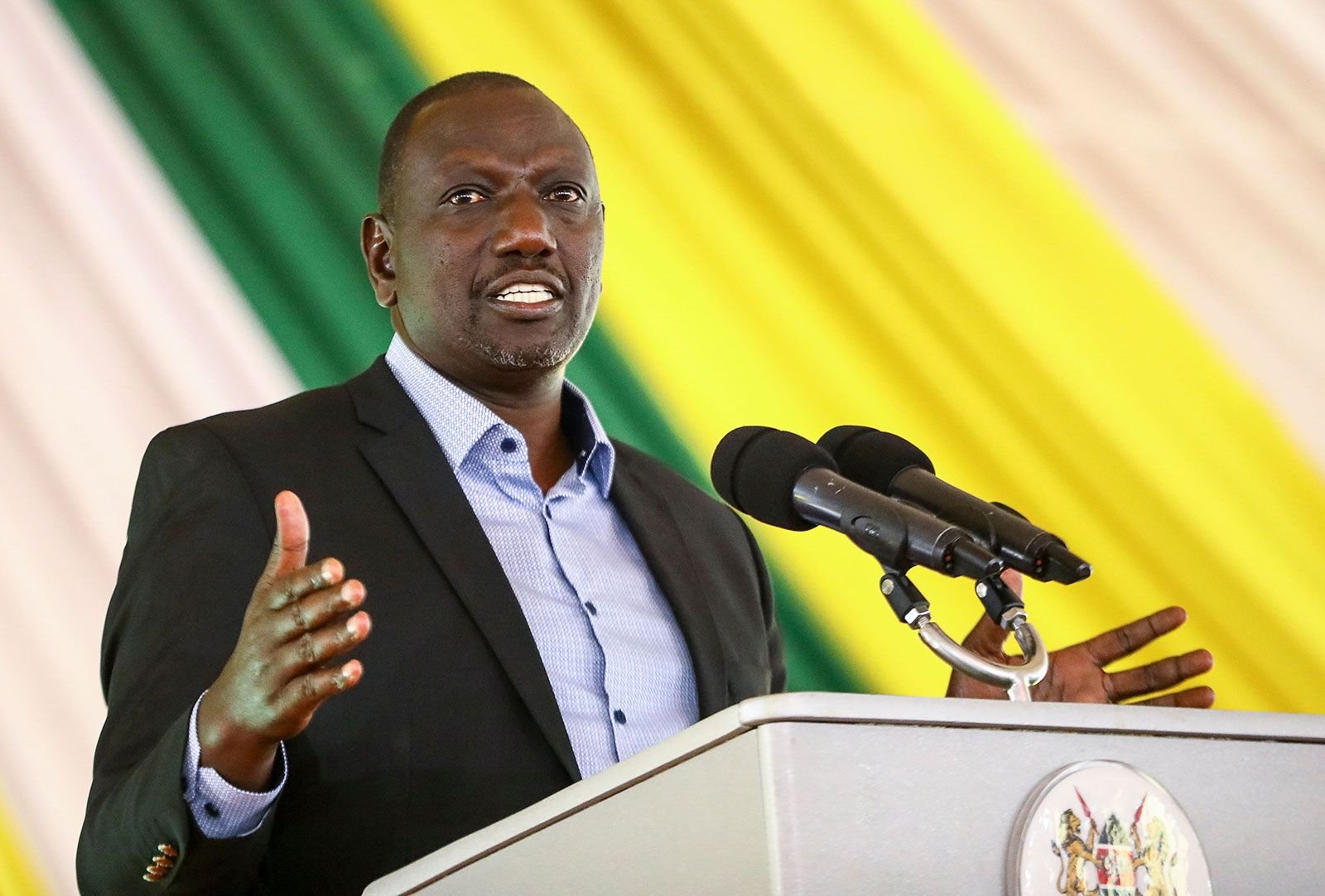
The directive follows recent remarks by President William Ruto on foreign-owned businesses that triggered concern among immigrant communities, particularly Burundian and Congolese nationals.
Presidential spokesperson Hussein Mohamed said the government would work with foreign embassies to facilitate the regularisation exercise, while warning against threats, harassment or intimidation of foreign business owners.
“Every person conducting business in Kenya is required to comply with applicable immigration, work-permit, registration and licensing requirements. Over the next 90 days, the government will conduct an orderly regularisation exercise to facilitate compliance,” Mohamed said.
The government said the exercise was intended to ensure compliance with Kenyan laws and East African Community regulations governing the movement of goods, labour and services.
The announcement prompted hundreds of Burundian nationals to visit their embassy in Nairobi on Monday to seek assistance with their documentation. Some reportedly said they were considering returning home amid fears for their safety.
The concerns followed complaints from some Kenyan small-business owners that foreigners were taking up menial jobs and operating small businesses, creating what they described as unfair competition.
Kenya, which has East Africa’s largest economy, has long attracted foreign investors and workers from neighbouring countries.
President Ruto said last week that he had received complaints from small-business owners over competition from foreign nationals. He subsequently directed lawmakers to expand a bill before Parliament to provide for fair participation by foreigners in small businesses while identifying sectors that could be reserved for Kenyan citizens.
The president’s directive, however, generated anxiety within the Burundian and Congolese communities.
A Burundian businessman in Nairobi, Eric Munahayo, told local journalists that his shop in the city’s suburbs had been attacked by unknown individuals.
“I have been living well with Kenyans, I have become part of the community here and have the correct licences,” Munahayo said.
Meanwhile, Kenya’s Permanent Secretary in the Foreign Ministry, Korir Sing’oei, visited dozens of Burundian nationals at their embassy in Nairobi and apologised for what he described as a misrepresentation of the president’s directive.
Sing’oei said the documentation exercise was also intended to protect foreign nationals living and doing business legally in Kenya.
“We just want to know who you are, where you live and what you do so that we can provide security even for you all,” he told the group.
The Burundian government has yet to issue an official response to the latest developments.
However, Foreign Minister Edouard Bizimana on Sunday shared a video on social media showing a Kenyan man threatening Burundians living in Kenya.
He warned that continued hate speech against Burundians could affect relations between the two countries, stressing that the Kenyan government would be responsible for the safety of Burundian nationals residing in Kenya.


