


Nigeria is set to seek stronger humanitarian cooperation, youth empowerment programmes and economic partnerships at the Organisation of Islamic Cooperation Council of Foreign Ministers meeting scheduled for August 27 in Jeddah, Saudi Arabia.
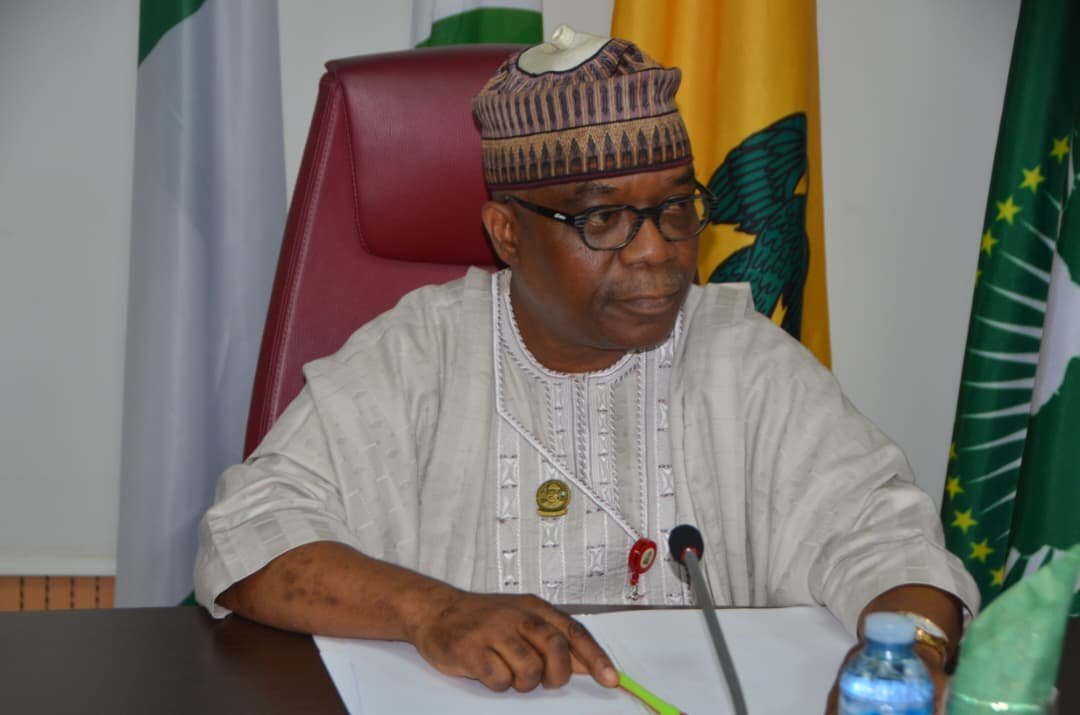
The Nigerian delegation is being led by the Minister of State for Foreign Affairs, Ambassador Sola Enikanolaiye, who said the country would focus on securing practical partnerships capable of delivering tangible benefits to Nigerians.
The delegation departed from the Mallam Aminu Kano International Airport, Kano, on Tuesday ahead of the meeting.
Enikanolaiye said Nigeria’s participation aligns with President Bola Tinubu’s Renewed Hope Agenda and the country’s 4-D Foreign Policy Doctrine of Demography, Development, Diaspora and Democracy.
He said Nigeria would advocate the establishment of a Nigeria-OIC Working Group on Humanitarian Affairs to strengthen responses to insecurity and humanitarian challenges in the Lake Chad Basin and the Sahel.
The proposed mechanism would focus on interfaith dialogue, rehabilitation of displaced communities, and efforts to combat terrorism and violent extremism.
Nigeria will also seek expanded OIC-supported programmes for young people, women and other vulnerable groups, particularly in vocational training, women’s empowerment, healthcare and cultural exchanges.
According to the minister, these initiatives are intended to equip Nigerian youths with relevant skills while promoting peace and unity among member states.
On economic diplomacy, Enikanolaiye said Nigeria would use the meeting to highlight its economic reforms and investment opportunities under the Renewed Hope Agenda.
Priority sectors include agriculture, manufacturing, Business Process Outsourcing, automotive, oil and gas, and commerce. Nigeria is also expected to engage OIC investors and institutions on Business-to-Business and Business-to-Government partnerships aimed at attracting foreign investment and supporting economic diversification.
The meeting will also involve the election of a new Secretary-General of the OIC. Nigeria, according to the minister, will participate constructively in the process and support leadership focused on unity, reform and people-centred programmes.
Enikanolaiye also sought to address what he described as limited awareness in Nigeria about the OIC’s activities, noting that the organisation had implemented several programmes and projects in the country without religious bias.
He reaffirmed Nigeria’s commitment to multilateralism and stronger cooperation within the 57-member organisation, describing the OIC as the world’s second-largest intergovernmental organisation after the United Nations.
Nigeria has been an active member of the OIC since 1986 and continues to promote peace, development and cooperation among member states.
The minister is also expected to hold bilateral meetings with foreign ministers and OIC officials on the sidelines of the meeting, with discussions expected to cover humanitarian affairs, security, youth development and economic cooperation.


