


The Federal Government has called for greater efforts to take Nigeria’s foreign policy to the grassroots, stressing that the country’s international engagements must translate into tangible economic benefits for citizens.
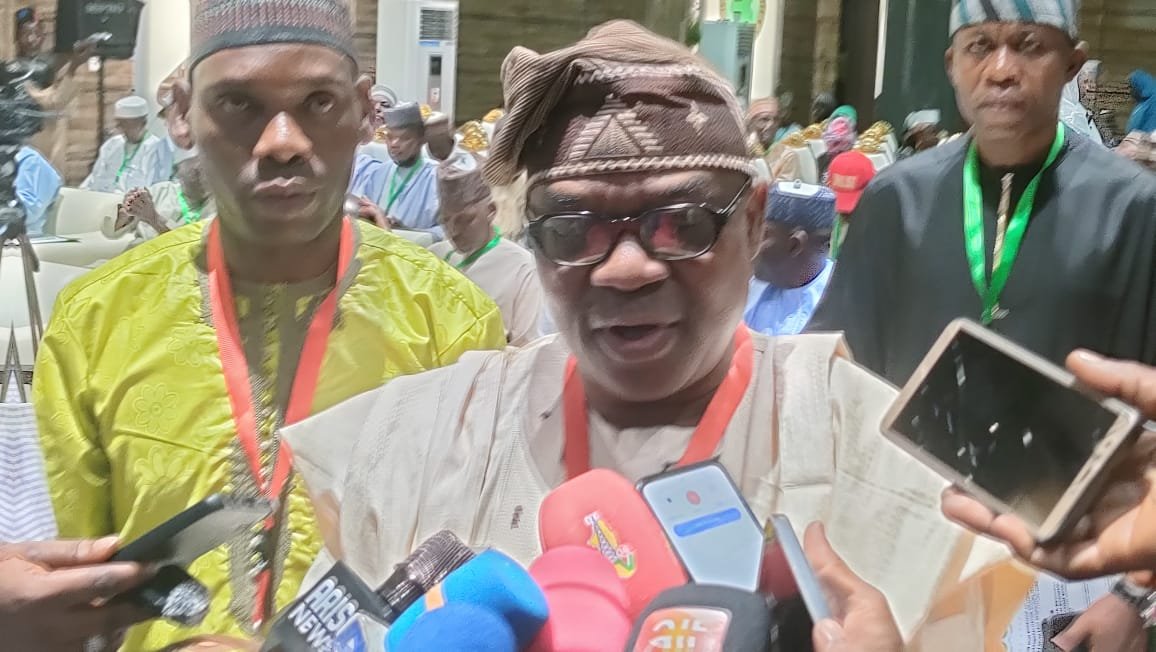
The Minister of State for Foreign Affairs, Ambassador Sola Enikanolaiye, made the call on Saturday at a sensitisation workshop on the ECOWAS Trade Liberalisation Scheme (ETLS), held at the International Conference Centre in Bauchi.
Enikanolaiye said the government was committed to placing Nigerians at the centre of its foreign policy framework by strengthening awareness of the economic opportunities arising from the country’s participation in regional and continental trade initiatives.
He said there was a need for Nigerian businesses, particularly those in the North-East, to better understand the opportunities available under the African Continental Free Trade Area (AfCFTA) and the requirements for accessing the continental market.
According to him, the government is exploring ways to link Nigeria’s foreign policy with the economic aspirations of citizens by promoting private-sector participation in agriculture, mining, manufacturing and other sectors where the country has comparative advantages.
The minister noted that inadequate information remained a major challenge preventing many Nigerian businesses from taking full advantage of AfCFTA.
He said improved awareness of the agreement would enable Nigerian enterprises to expand beyond the domestic market, boost exports, create jobs and contribute to sustainable economic growth.
Enikanolaiye also urged businesses and other stakeholders in the North-East to position themselves to take advantage of emerging trade opportunities through industrialisation, value addition and increased production.
He stressed that Nigeria could not achieve sustainable economic and social development without deepening its integration into the global economy and strengthening its participation in international trade.
The minister said the Bauchi engagement was therefore designed not only to improve public understanding of Nigeria’s foreign policy but also to demonstrate how the country’s international commitments could be leveraged to promote economic prosperity at the grassroots.


