



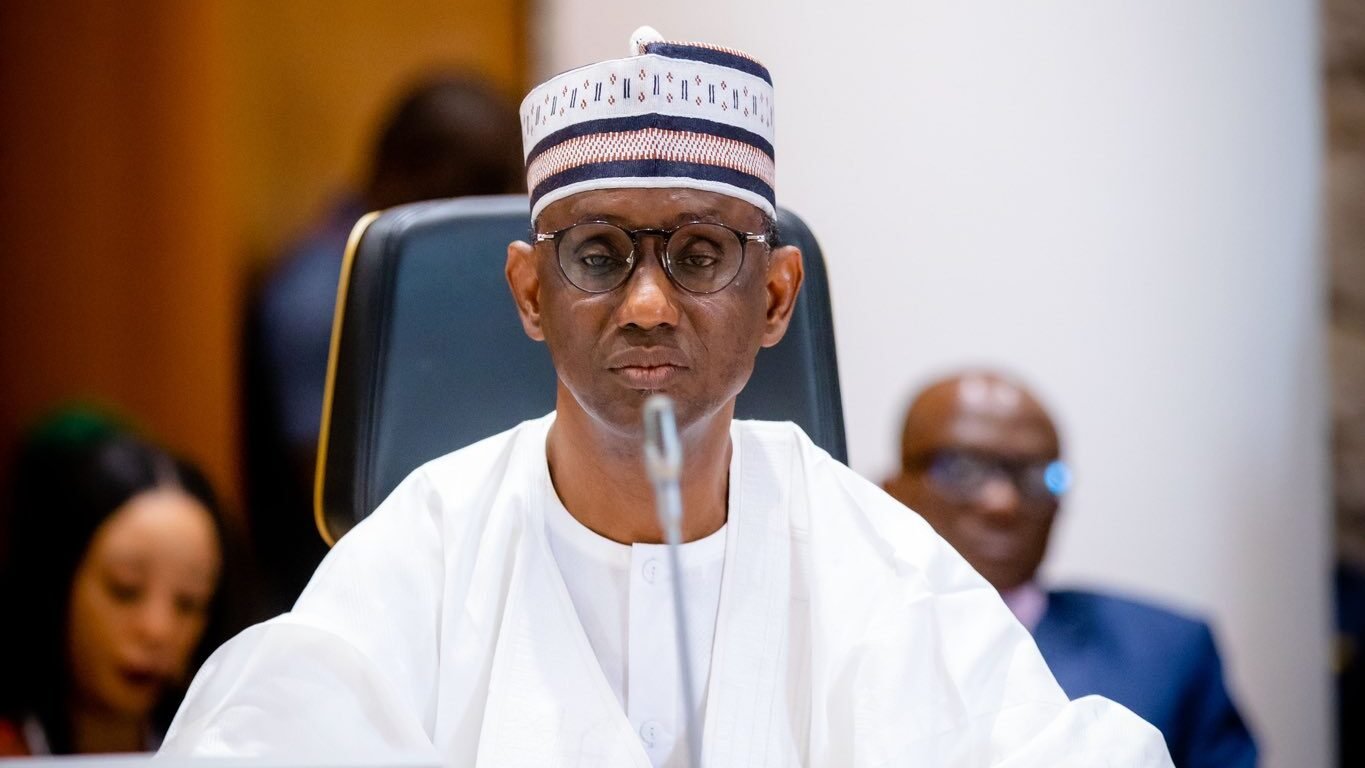
The National Security Adviser (NSA), Nuhu Ribadu, has introduced a new security framework aimed at strengthening the fight against crude oil theft, pipeline vandalism, illegal refining and other criminal activities threatening Nigeria’s oil and gas infrastructure.
The framework, known as the Standard Operating Procedure (SOP) for the Nigerian Oil and Gas Industry-Wide Security Architecture, is designed to harmonise security operations and improve coordination among security agencies, private surveillance contractors, industry operators and regulators.
Speaking at the official unveiling, Ribadu said Nigeria’s hydrocarbon resources remained critical to economic stability, national development and strategic resilience.
He, however, noted that crude oil theft, pipeline vandalism and illegal refining had continued to undermine production, damage the environment and threaten national security.
“It is against that backdrop that this SOP was developed,” the NSA said, explaining that the framework emerged from consultations involving security institutions, industry operators, regulators and private surveillance contractors.
According to him, the initiative involved the Armed Forces of Nigeria, security and intelligence agencies, the Nigerian National Petroleum Company Limited (NNPCL) and other relevant stakeholders.
Ribadu said the framework would establish clear operational responsibilities, strengthen command and control, promote professional conduct and standardise security procedures across the petroleum industry.
The SOP also provides guidelines for surveillance operations, arrest, detention and the evacuation of recovered petroleum products.
Describing the document as an important operational tool, Ribadu said it was designed to improve collaboration, reduce conflicts among participating institutions and strengthen accountability in the protection of critical national infrastructure.
“This SOP is therefore not merely an administrative document,” he said.
He added that it was “a practical instrument for enhancing synergy, reducing operational friction, promoting accountability and protecting critical national infrastructure connected to our hydrocarbon resources.”
The NSA said the framework would also help institutionalise the gains recorded through industry-wide security collaboration and provide a sustainable structure for protecting oil and gas assets.
However, he stressed that its effectiveness would depend on the commitment of the relevant institutions to implementing its provisions.
“The true value of this SOP will lie in its implementation,” Ribadu said.
He urged participating agencies, operators and partners to ensure that the procedures were communicated to their personnel and incorporated into their respective operational structures.
Ribadu also called for professionalism, information sharing, mutual respect for institutional mandates and strict compliance with existing laws.
He expressed confidence that effective implementation of the framework would improve the security of Nigeria’s petroleum resources, support increased production, protect the environment and contribute to economic recovery.
Also speaking at the event, Dahiru Gwarzo, who represented the Group Chief Executive Officer of NNPCL, Bayo Ojulari, described the framework as critical to safeguarding oil and gas infrastructure, improving government revenue and restoring investor confidence.
Gwarzo said security was fundamental to the sustainability of Nigeria’s petroleum industry, adding that protecting oil and gas assets required coordinated efforts among security agencies, regulators, operators and surveillance contractors.
“In our industry, security is not a peripheral matter; it is fundamental to national revenue, investor confidence, operator continuity, environmental stewardship and the well-being of the host communities that host our assets,” he said.
He commended Ribadu and his team for providing the leadership and coordination required to develop the framework, describing the harmonisation of institutional mandates and operational procedures as a significant achievement.
Gwarzo also acknowledged the sacrifices of military personnel, police officers, intelligence operatives and other security personnel deployed along pipeline corridors and production areas, noting that some had lost their lives in the course of protecting national assets.
Recalling the scale of Nigeria’s oil security challenges, he said crude oil production fell to about 950,000 barrels per day in August 2022, while some major pipelines remained unavailable for extended periods.
According to him, the situation affected government revenue, industry operations, host communities and the environment in the Niger Delta.
Gwarzo said the experience underscored the need for stronger cooperation among institutions and operators, stressing that no single organisation could effectively secure the country’s oil and gas infrastructure alone.
“No single institution, operator can secure Nigeria’s oil and gas infrastructure in isolation,” he said.
The new framework is expected to provide a common operational guide for stakeholders involved in protecting petroleum assets, with the aim of improving coordination and accountability in tackling oil theft, illegal refining and pipeline vandalism.


, Nuhu Ribadu, has introduced a new security framework aimed at strengthening the fight against crude oil)