


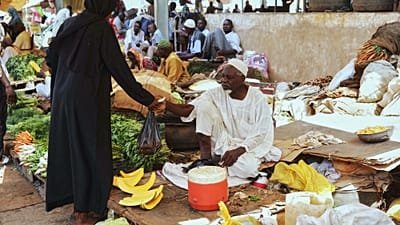
Sudan’s worsening economic crisis is pushing basic necessities beyond the reach of many families as the country’s currency continues to depreciate and prices rise sharply across markets.
In Omdurman, traders and residents say the soaring cost of food has made everyday shopping increasingly difficult, with essentials such as sugar, beans, lentils and onions recording significant price increases.
The uncertainty surrounding exchange rates has also disrupted trading activities, with some merchants holding on to their goods amid fears that they may be unable to restock at the same prices.
“Everything is extremely expensive,” said Sudanese merchant Hassan Hamed, noting that the rising value of the dollar had encouraged some traders to keep their goods off the market rather than sell at prices that could leave them unable to replace their stock.
The economic hardship has intensified since war broke out in Sudan in April 2023, disrupting production and diverting resources away from development and essential public services.
The conflict has also contributed to the weakening of state institutions and a sharp deterioration in living conditions, with poverty, unemployment, hunger and food insecurity worsening across the country.
Economic researcher Abdullah Mohamed Ali said the depreciation of the local currency was having a direct impact on households.
“As the dollar rises, so do the prices of food and all other necessities,” he said.
Meanwhile, wages have lost much of their purchasing power, leaving civil servants, teachers, healthcare workers and pensioners struggling to afford basic necessities.
Millions of households are increasingly cutting back on spending on food, medicine and education, while many are turning to borrowing or humanitarian assistance to cope with the worsening economic conditions.


