


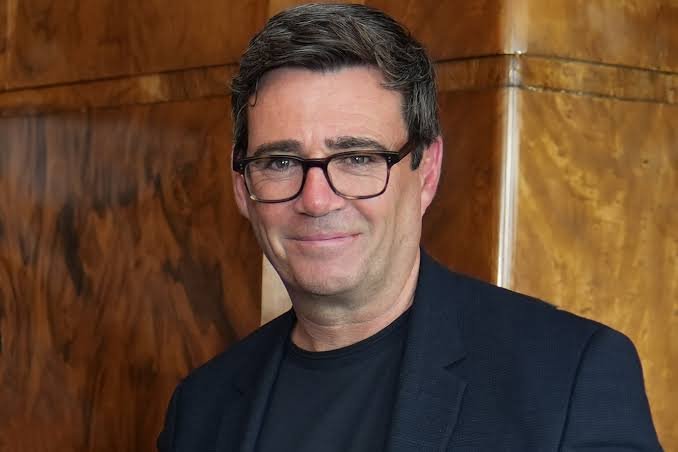
British Prime Minister Andy Burnham has proposed an uncapped tourist tax on accommodation, triggering concerns among hospitality industry leaders who fear the measure could increase costs and put jobs at risk.
The proposal is part of the new government’s efforts to strengthen public finances and generate additional revenue for local development. Under the plan announced on September 10, mayors would be given powers to impose a levy on overnight accommodation, with the charge calculated as a percentage of the cost of a stay.
Burnham, who previously served as mayor of Manchester and culture secretary, had supported the idea of a tourist tax before becoming prime minister. In November 2025, he welcomed proposals that would have allowed mayors to introduce what was then described as a modest levy to help finance local projects.
His latest proposal, however, goes further by removing a cap on the amount that could be charged.
Supporters of the policy argue that linking the levy to accommodation costs could make the system relatively fair, as visitors staying in cheaper accommodation would pay less than those using more expensive hotels.
However, hospitality industry leaders have reacted cautiously, with some warning that the measure could undermine businesses that have already faced significant financial pressures in recent years.
Industry representatives have pointed to the experience of Edinburgh, where a tourism-related levy has been discussed as a potential source of additional local revenue, arguing that additional charges could affect demand and employment in the hospitality sector.
The proposal has also prompted comparisons with other European destinations where tourist taxes are already widely used. Several cities and tourism-dependent regions across Europe impose visitor levies, although the rates and structures vary considerably.
Before the latest announcement, Burnham had received praise from sections of the business community over his approach to business rates, with some describing an improvement in confidence as the “Burnham bounce.”
Hospitality operators, however, had continued to call for additional tax relief, citing rising operating costs and pressures on businesses.
The prospect of an uncapped levy has therefore raised concerns among industry leaders, particularly after some had understood from earlier discussions that any tourist tax would be subject to a limit.
Reports that mayors from the governing party could consider a levy of around five per cent have added to the debate, although the final rate and implementation arrangements have yet to be settled.
Supporters of the policy maintain that a tourism levy could provide local authorities with additional funds for infrastructure, cultural projects and other services that benefit visitors and residents.
Opponents argue that additional costs could make UK destinations less competitive, particularly at a time when hospitality businesses are still dealing with higher costs and weaker margins.
With the policy facing opposition from parts of the hospitality sector, further changes or safeguards could still be introduced before the proposal takes effect.
For now, the plan has opened a fresh debate over how much tourists should contribute to the cost of supporting the destinations they visit—and whether an uncapped levy could achieve that without placing further pressure on Britain’s hospitality industry.


