


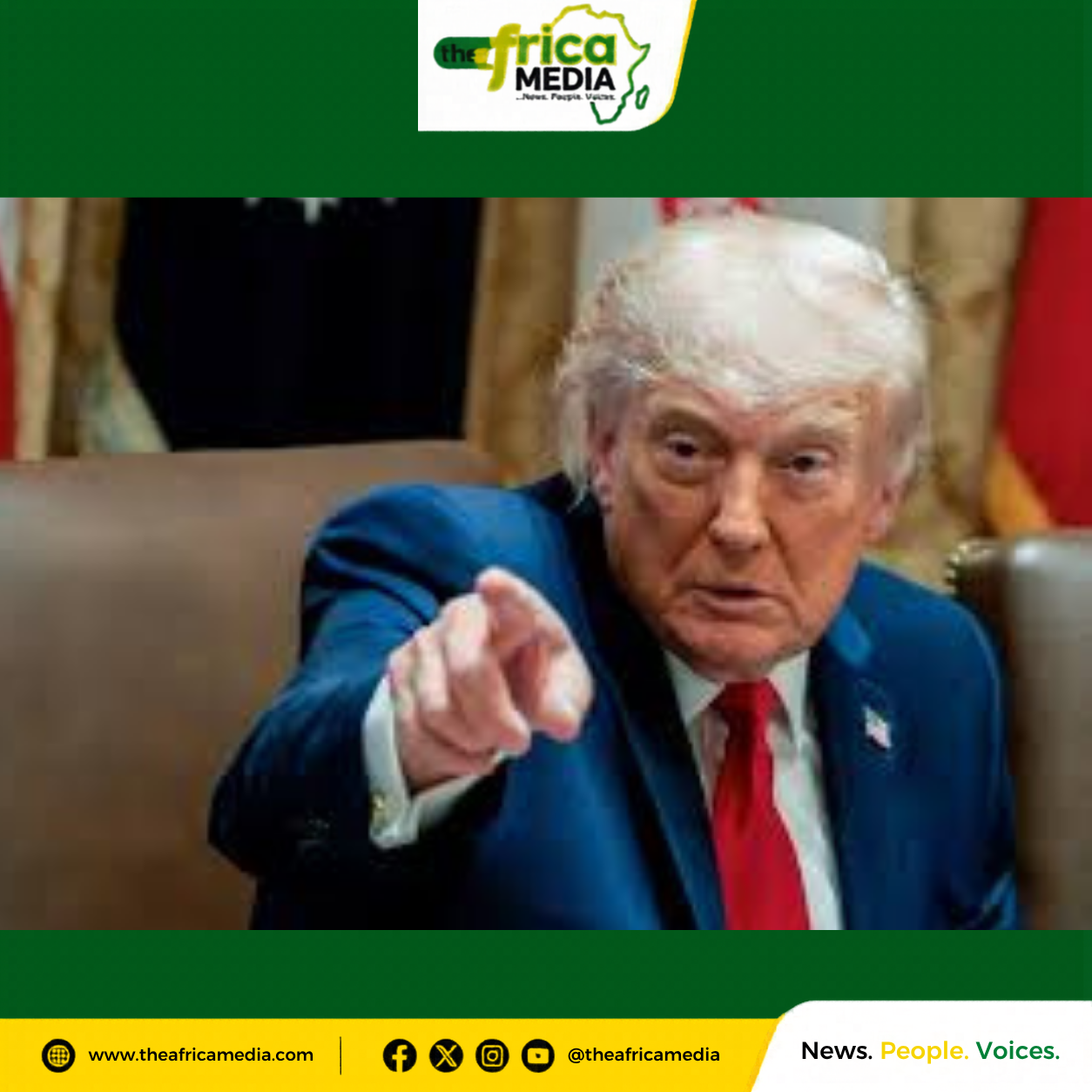
The United States has unveiled plans to introduce new tariffs on imports from about 60 countries, citing concerns over the use of forced labour in global supply chains.
The proposed measures, announced under the administration of President Donald Trump, would impose tariffs ranging between 10 and 12.5 per cent on goods imported from several of America’s key trading partners, including the United Kingdom, the European Union, Canada, India, Japan and China.
According to the Office of the United States Trade Representative, the proposal follows an investigation launched in March to assess whether trading partners had taken sufficient steps to prevent the importation of products linked to forced labour practices.
US Trade Representative Jamieson Greer said the move is intended to address what Washington views as unfair competition facing American workers.
He argued that goods produced under forced labour conditions create an uneven global marketplace, placing US industries at a disadvantage.
Under the proposal, imports from countries such as the United Kingdom, Canada, Mexico, Indonesia, Pakistan and member states of the European Union would face a 10 per cent tariff.
A higher tariff rate of 12.5 per cent would apply to imports from 45 other countries, including China and India.
The report underpinning the proposed action alleged that 54 countries have not enacted adequate legal restrictions on goods produced through forced labour, while six others, including Canada and the European Union, have failed to effectively enforce existing regulations.
However, the tariffs are not expected to take effect immediately, as the US government must complete the required legal and administrative procedures before implementation.
Global Reactions
The announcement has triggered reactions from several affected countries and trading blocs.
The UK government stated that it remains committed to combating forced labour both within its borders and across international supply chains.
China rejected the allegations, maintaining that forced labour does not exist within its territory and criticising the proposed measures.
Meanwhile, the European Commission described the planned tariffs as unjustified, insisting that the European Union remains committed to its trade agreements with the United States.
Trade experts have suggested that the proposal could form part of a broader negotiating strategy by Washington as it seeks greater leverage in ongoing trade discussions with key partners.
Indian trade analyst Ajay Srivastava questioned the legal basis for the tariffs and suggested that India could consider challenging the measures through available international trade mechanisms.
Potential Impact on Global Trade
The proposal represents the second major tariff initiative announced by the Trump administration since the US Supreme Court invalidated several earlier trade duties in February, ruling that the administration’s 2025 “Liberation Day” tariffs were unlawful.
If implemented, the new tariffs could significantly affect global trade flows, as the targeted countries account for the overwhelming majority of goods imported into the United States.
Analysts warn that the move could further strain international trade relations and potentially trigger retaliatory measures from affected nations.


