


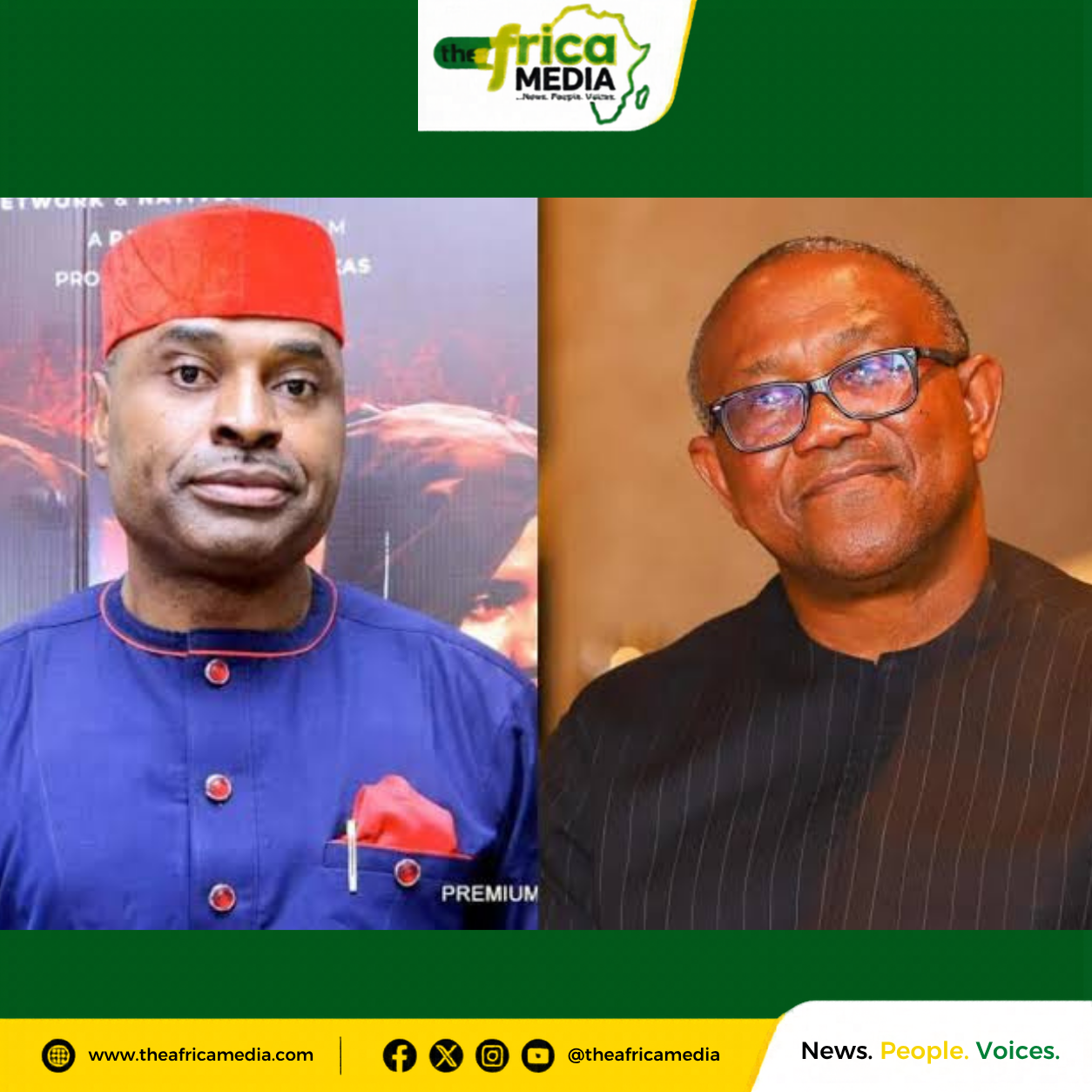
A chieftain of the African Democratic Congress (ADC), Kenneth Okonkwo, has argued that votes cast for former Labour Party presidential candidate Peter Obi in the 2027 general election could indirectly strengthen President Bola Tinubu’s chances of securing a second term.
Okonkwo made the assertion during an interview with Symfoni TV, where he emphasised the need for opposition parties to unite under a common platform if they intend to mount a serious challenge against the ruling party.
According to him, a divided opposition would only increase the likelihood of victory for the incumbent president.“Whether directly or indirectly, anyone contributing to the fragmentation of opposition votes is making it easier for President Tinubu to win,” he said.The former Labour Party spokesperson also criticised Obi’s reported withdrawal from coalition discussions involving the ADC, suggesting that the former Anambra State governor was unwilling to participate in a competitive primary process.
“No one compelled Peter Obi to join the ADC. He made that decision himself, but later chose to leave and explained his reasons. Politics requires the willingness to face challenges, including competing in party primaries,” Okonkwo stated.
He further claimed that Senator Victor Umeh had previously expressed the view that the South-East’s best opportunity to produce a Nigerian president would be through a strategic alliance with political leaders from the North.According to Okonkwo, Umeh believed such a coalition could enhance the region’s chances of attaining the presidency, though he alleged that Obi was not receptive to that approach.Okonkwo maintained that opposition supporters should carefully consider the implications of splitting votes among multiple candidates ahead of the 2027 election.
He insisted that opposition unity remains the most effective path to challenging the ruling party and warned that a fragmented electoral strategy could ultimately favour the incumbent administration.His comments come amid ongoing discussions among opposition figures and political groups over possible alliances and coalition arrangements ahead of the 2027 presidential election.


