


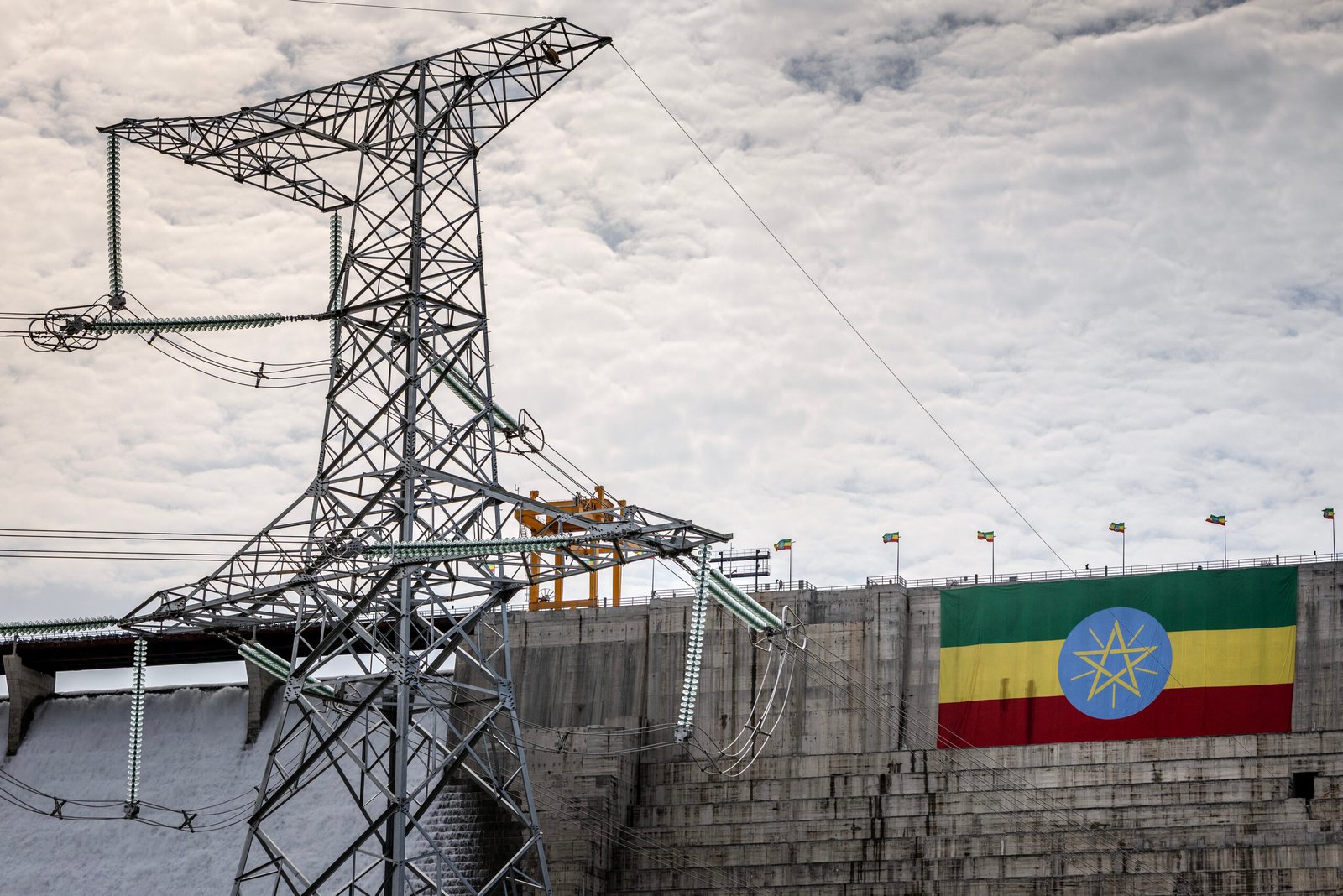
Kenya has increased electricity imports from Ethiopia as domestic generation struggles to keep pace with rising demand and limited reserve margins according to energy sector data.
Kenya imported 1274.42 gigawatt hours from Ethiopia in the fiscal year ending June 2025 far above imports from Uganda at 225.64 gigawatt hours and Tanzania at 33.79 gigawatt hours data from Energy Petroleum and Regulatory Authority shows.
The imports are governed by a 25 year power purchase agreement signed in 2022 between the national utilities of both countries supported by a 1045 km high voltage transmission line linking Wolayita Sodo in Ethiopia to Suswa substation in Kenya. The line can transmit up to 2000 megawatts.
Kenya’s electricity demand reached 2411.98 megawatts in October 2025 against installed capacity of 3846.80 megawatts leaving a reserve margin of about 434 megawatts Officials warn that actual available supply is lower than installed capacity due to variability of renewable sources.
Ethiopian hydropower has become attractive due to lower costs and reliability compared with thermal generation. Kenya’s thermal independent power producers supply electricity at high tariffs while Ethiopian imports are significantly cheaper helping reduce system costs and saving millions of dollars annually.
Kenya’s energy mix includes geothermal hydro thermal solar wind and bioenergy but dependence on weather sensitive sources such as wind and solar has increased the need for cross border imports to stabilize supply.
The transmission link between the two countries is part of broader regional integration efforts aimed at strengthening energy security and trade within East Africa. Ethiopian power exports have expanded following increased generation capacity from major projects including the Grand Ethiopian Renaissance Dam which has boosted national output and export potential.
Ethiopia generated over 29000 gigawatt hours in the last fiscal year and exported around 7 percent of output earning over 118 million dollars from regional sales Kenya accounted for the largest share of these exports.
Analysts say Kenya’s high industrial electricity costs among the highest in the region have reduced competitiveness and contributed to a decline in manufacturing share of gross domestic product over the past decade.
Government officials argue that electricity imports are a short term measure to bridge supply gaps while domestic generation and grid investments expand. They also say regional power trade offers a cheaper and cleaner alternative to fossil fuel based generation.
Experts note that electricity imports should complement domestic production rather than replace it allowing countries to balance demand while new projects come online and reduce reliance on expensive thermal plants.
Kenya plans to expand domestic renewable capacity and strengthen regional interconnections to improve reliability reduce costs and support industrial growth while continuing imports from Ethiopia as part of a broader East African power trading strategy over the long term


