



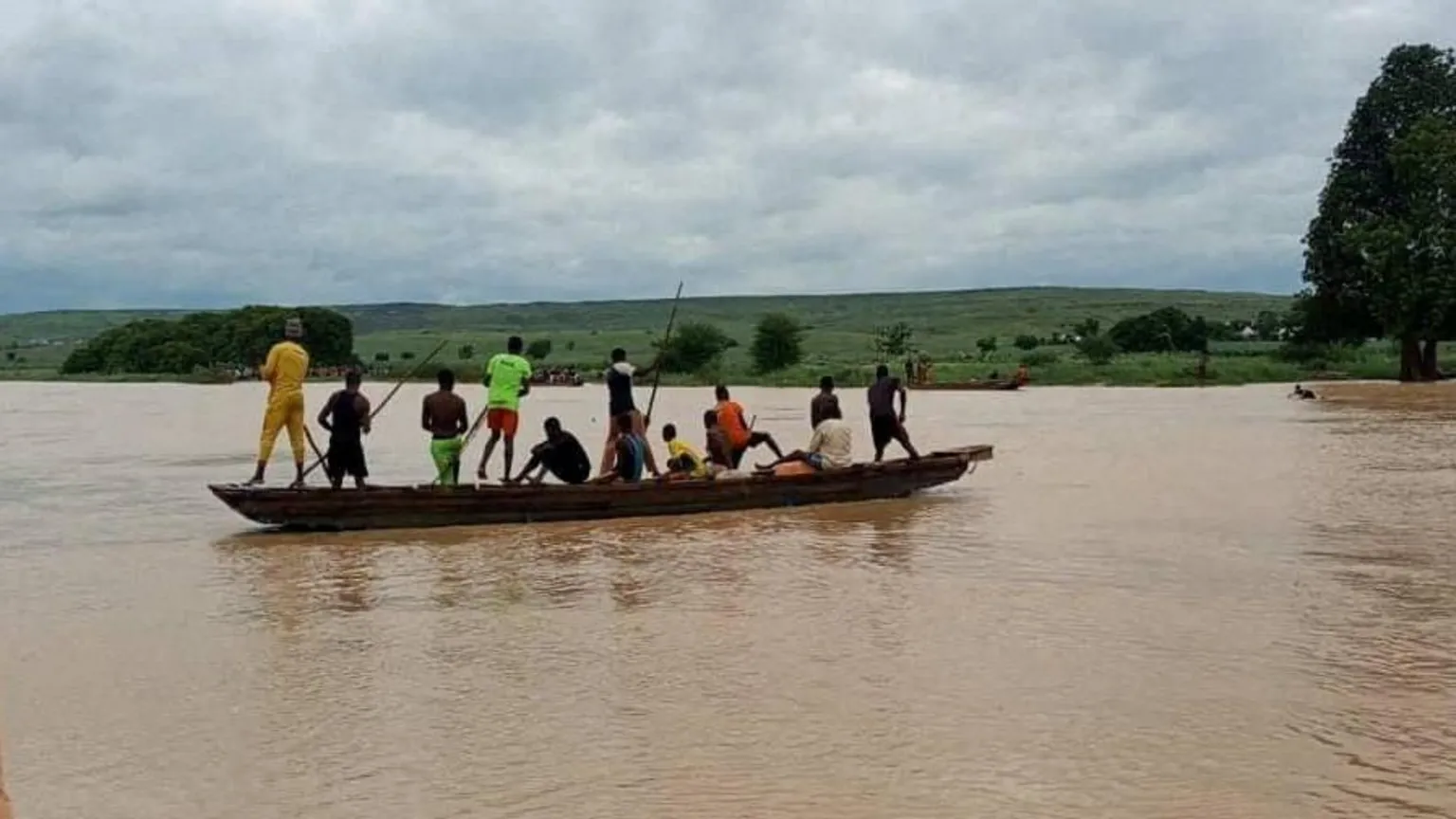
At least 46 people have died after a boat capsized in Gorony Local Government Area of Sokoto State, north-western Nigeria, with 15 others still missing.
The boat was reportedly carrying more than 70 people, many of them children, when it overturned near Gorau community. A search and rescue operation is continuing, according to officials.
Sokoto State Police spokesperson Ahmad Rufai told the BBC on Thursday that 46 bodies had been recovered, while 16 people were rescued.
Rufai said the remote location was making rescue efforts difficult, adding that security agencies and emergency responders were on their way to the scene.
A witness told Reuters that many of the children on board were travelling alongside farm owners and labourers heading to work on rice farms.
The witness said about 50 bodies were seen at a community mosque, many covered with mats and traditional cloths ahead of burial.
The spokesperson for Nigeria’s National Emergency Management Agency, Ezekiel Manzo, confirmed the difficulty of reaching the area.
“Gorau is a very remote place… the team has moved to that remote location,” he told the BBC.
Boat accidents are common in Nigeria, particularly in rural communities, where overcrowding, poorly maintained vessels and weak enforcement of safety regulations have frequently been blamed for fatalities.
Last month, at least five people drowned after a boat overturned in Jigawa State. In January, at least 26 people died when a boat carrying farmers and fishermen travelling from Jigawa to Yobe State capsized.
In December 2024, 54 bodies were recovered from the River Niger after a boat believed to have been carrying more than 200 passengers overturned.
Authorities have repeatedly recommended measures to improve waterway safety, including providing safer boats and life jackets, dredging waterways, deploying water guards at jetties and terminals, and ensuring boat operators are properly trained and licensed.
However, many of these measures have yet to be fully implemented or effectively enforced.
For millions of Nigerians, especially those living in rural communities, waterways remain an important means of transportation. Many communities are located along rivers, while poor roads and a lack of bridges often make travel by land difficult.
Wooden boats are commonly used to transport passengers and goods to markets and neighbouring communities, making waterways an essential part of daily life in many remote areas.


