



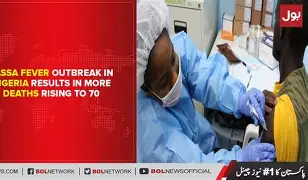
Nigeria recorded 37 new confirmed cases of Lassa fever and eight deaths between July 13 and 26, 2026, according to figures covering epidemiological weeks 29 and 30.
The latest figures bring the country’s cumulative number of confirmed cases in 2026 to 1,000, while total deaths have risen to 237 across 23 states and 116 Local Government Areas.
During week 29, which covered July 13–19, Nigeria recorded 20 new cases and two deaths, taking the cumulative case count to 983 and fatalities to 231. The case fatality rate stood at 23.5 percent, compared with 18.9 percent during the same period in 2025.
By the end of that week, Ondo, Bauchi, Taraba, Edo and Benue accounted for 86 percent of all confirmed cases, with Ondo recording the highest share at 32 percent, followed by Bauchi at 25 percent, Taraba at 13 percent, Edo at 10 percent and Benue at six percent.
The situation worsened in week 30, from July 20–26, when 17 additional cases and six deaths were reported. The case fatality rate consequently increased to 23.7 percent, compared with 18.8 percent in the corresponding period of 2025.
Young adults aged 21 to 30 years remained the most affected group, while confirmed cases ranged from people aged one to 93. The median age of confirmed patients remained at 30 years.
The report also recorded one new infection among a healthcare worker during week 30, highlighting the continuing risk of occupational exposure.
The Nigeria Centre for Disease Control and Prevention (NCDC) said its multisectoral Lassa Fever Technical Working Group would continue coordinating surveillance, containment, environmental sanitation and other response measures.
The agency urged Nigerians to reduce contact with Mastomys rodents, the main reservoir of Lassa fever, by keeping their surroundings clean, disposing of waste properly, storing food in rodent-proof containers and sealing openings through which rodents can enter homes.
The NCDC also stressed the importance of early detection, immediate isolation and appropriate protective equipment when dealing with suspected cases to prevent further transmission.


