



A court in Mali has sentenced prominent broadcaster Mohamed Youssouf Bathily, popularly known as Ras Bath, and social media influencer Rokia Doumbia, alias “Rose, the cost of living,” to seven years in prison for criticising the country’s military government.
The Bamako Court of Appeal’s criminal chamber found the two guilty of criminal conspiracy and discrediting the state, according to an AFP journalist who witnessed Monday’s proceedings.
They were also handed additional three-year suspended prison sentences.
Both defendants had been in detention since March 2023 following a 2023 broadcast by Ras Bath that focused on the economic hardships facing ordinary Malians.
The prosecution alleged that Ras Bath and Doumbia were working together, pointing to the influencer’s appearances on his programme on two occasions.
Two lawyers familiar with the case told AFP that the prosecutor described Ras Bath as a “danger” to the junta and argued that he should be kept away from social media and radio.
Ras Bath’s father, former government minister Mohamed Aly Bathily, who also served on his son’s defence team, said the family had yet to decide whether to appeal the verdict.
The broadcaster’s appearance in court had drawn widespread attention, with his visibly emaciated condition after more than three years in detention shocking many Malians.
Known for his slogan “shock to educate,” Ras Bath has built a large following, particularly among young Malians, through his outspoken commentary on the country’s social and political problems. His activism has also brought him into repeated conflict with the authorities.
He was first arrested in August 2016 on allegations of inciting soldiers to disobey orders, but was released two days later following pressure from supporters. In July 2017, he was sentenced in absentia to 12 months in prison while abroad.
Ras Bath later participated in the 2020 M5-RFP protest movement against then-President Ibrahim Boubacar Keita, who was eventually overthrown by the military.
He was arrested again in December 2020 over an alleged plot against the military authorities but was released in April 2021 after the case was dismissed for lack of evidence. In July 2023, he was acquitted in a separate case involving claims that former Prime Minister Soumeylou Boubeye Maiga had been “assassinated” while in detention.
The latest convictions come amid growing concerns over restrictions on political and media freedoms under Mali’s military rulers, who seized power in coups in 2020 and 2021.
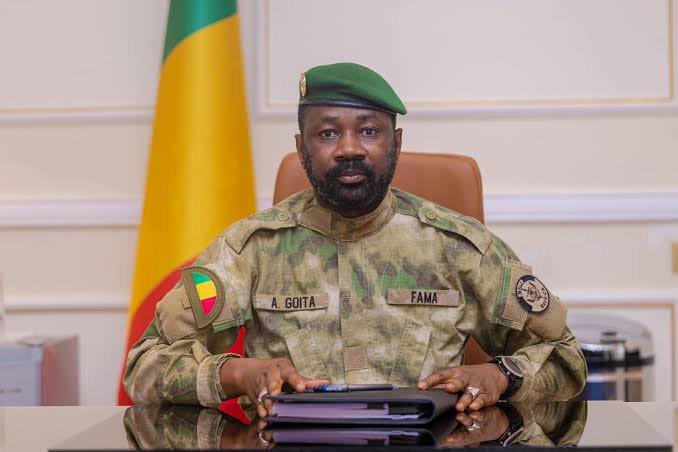
Under General Assimi Goita, the junta has tightened its grip on political activity and independent voices while failing to honour an earlier pledge to return the country to civilian rule by March 2024.
Mali is ranked 121st out of 180 countries in the 2026 World Press Freedom Index published by Reporters Without Borders.
The West African nation has also faced a prolonged security crisis since 2012, with jihadist groups linked to Al-Qaeda and Islamic State, criminal gangs and armed separatists continuing to pose major security challenges.


