



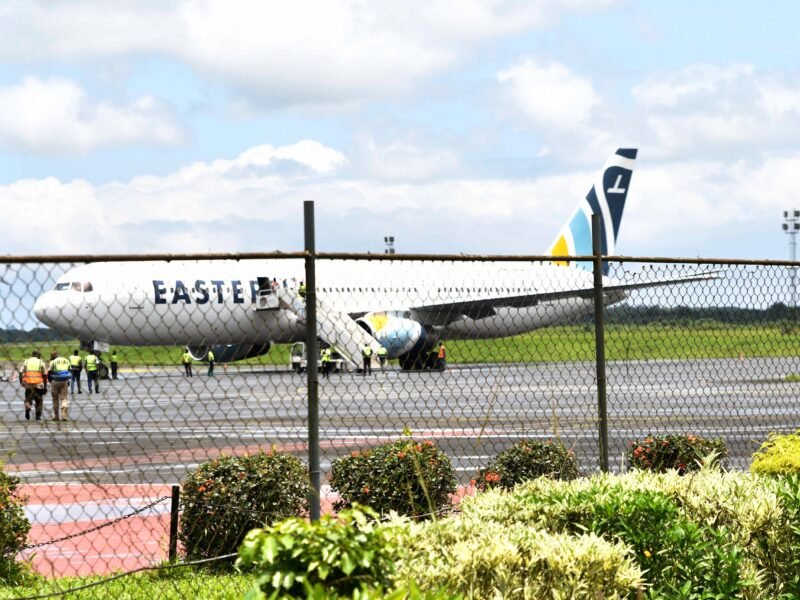
Twenty migrants deported from the United States have arrived in Liberia, marking the first transfer under a controversial agreement that could see up to 1,200 people sent to the West African country.
The migrants landed at Roberts International Airport near Monrovia on Thursday as part of a broader US immigration policy under President Donald Trump that involves deporting some migrants to countries other than their countries of origin.
Liberian authorities say those transferred under the agreement could include nationals from Africa, North and South America and the Caribbean.
The arrangement has sparked concern among immigration lawyers and rights advocates, who warn that sending migrants to countries with which they have no ties could undermine legal protections, particularly for asylum-seekers.
They argue that third-country deportations could leave migrants in uncertain legal situations and make it more difficult for them to access protection.
Liberian officials, however, say deportees will have options once they arrive.
Justice Minister Natu Oswald Tweh said migrants who wish to remain in Liberia can apply for asylum, while those who do not want to stay will be allowed to leave the country.
Information Minister Jerolinmek Piah said the agreement covers people of different nationalities, potentially making Liberia a destination for migrants from several regions.
The Liberia-US deal is part of a wider network of third-country deportation arrangements pursued by the Trump administration. Advocates say about 11 such agreements involve African countries, highlighting the continent’s growing role in the US deportation policy.
The US State Department declined to disclose details of the Liberia agreement but said implementing the Trump administration’s immigration policies remains a priority.
The department said the United States was committed to ending what it described as illegal mass immigration while strengthening border security.
The arrival of the first group is expected to fuel further debate over the legality of third-country deportations and the safeguards available to people transferred under such agreements.
For Liberia, the deal also presents significant humanitarian and administrative challenges as the country prepares for potentially hundreds more arrivals.
Authorities will have to address issues including accommodation, legal status, asylum procedures and access to basic services for migrants who may have little or no connection to Liberia.
The first 20 arrivals therefore mark more than the beginning of a new US-Liberia arrangement. They are also an early test of whether third-country deportation agreements can protect the rights and choices of people sent thousands of kilometres away from the countries where they previously lived.


