



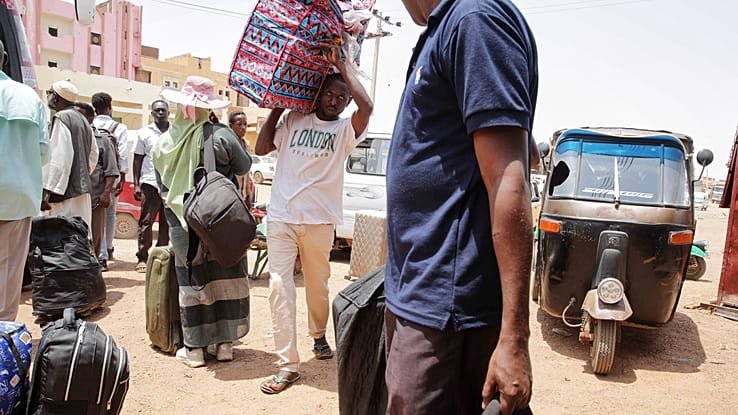
Sudan is facing a worsening fuel shortage that has disrupted public transport, freight services and industrial production, while rising transportation costs are placing additional pressure on food prices.
The shortage has been linked to disruptions in global oil supplies arising from the conflict in the Middle East, as well as restrictions affecting fuel imports into Sudan.
For ordinary citizens, the impact has been felt through higher transport fares and increasing prices of essential goods.
“The movement of goods and people has stopped, and the market is totally paralysed. We need solutions, not promises,” a Khartoum resident, Mohamed Hassan, said.
Prime Minister Kamil Idriss has ordered additional supplies of petroleum products to be sent to filling stations in an effort to ease the shortages and improve availability.
However, importers have also faced difficulties accessing the fuel market following a central bank requirement that they deposit the equivalent of 200 kilogrammes of gold.
Analysts said the current crisis also reflects deeper structural problems, including the prolonged shutdown of the al-Jaili refinery, foreign exchange shortages and difficulties securing financing for fuel imports.
The situation has been further complicated by Sudan’s ongoing civil war, which has disrupted supply chains and economic activity across the country.
As official supplies remain constrained, the shortage has fuelled a growing black-market trade in petroleum products across areas controlled by the government.
The combination of scarce fuel, rising transportation costs and disrupted production has added to the economic hardship facing Sudanese households amid the continuing conflict.


