



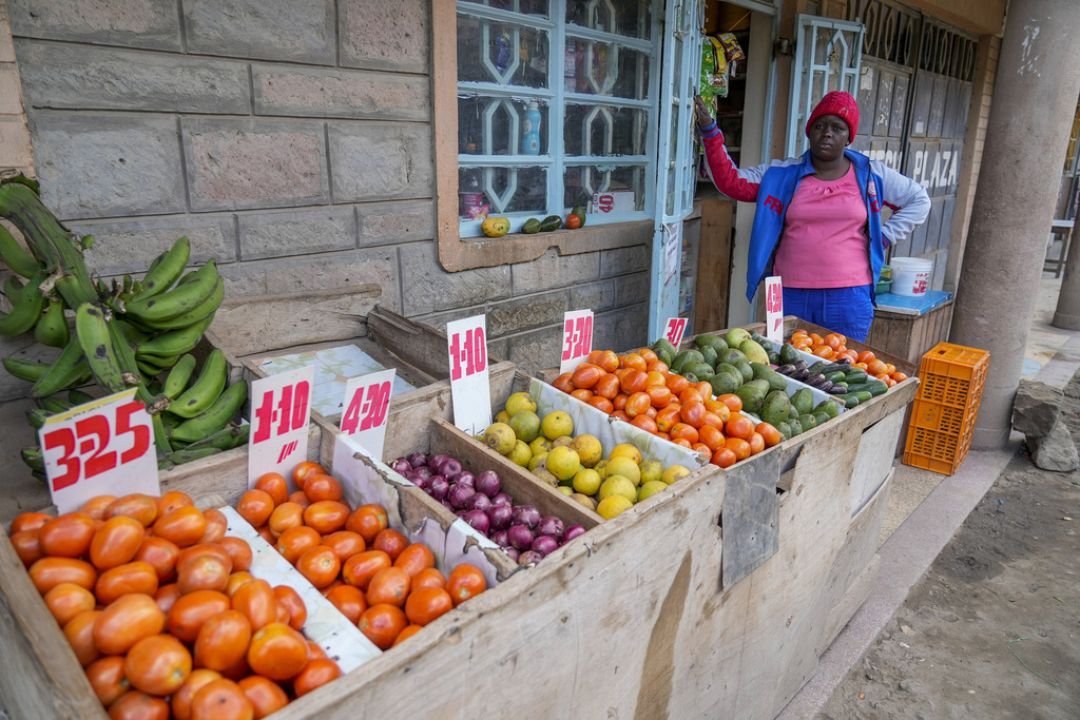
Rising food prices and shortages are putting increasing pressure on households across Kenya, with some families cutting back on groceries and reducing the number of meals they eat each day.
In Nairobi and other parts of the country, consumers say the rising cost of basic food items is forcing them to make difficult choices as climate-related disruptions and higher distribution costs squeeze supplies.
At a busy shopping centre in Nairobi, shoppers continue to visit markets in search of affordable produce, but many are leaving with fewer items than before.
Jackline Aywa, a mother of three, said the prices of essential food items, including maize flour and vegetables, had risen significantly.
“The cost of food has really gone up, starting with flour, maize and vegetables. Everything is really expensive,” she said.
With her household struggling to cope with the rising cost of living, Aywa said the family had cut some items from its shopping list and reduced the number of meals consumed each day.
“If you take black tea in the morning, it’s enough. You skip lunch and come back to have your supper. That’s all,” she said.
Food vendors are also feeling the impact, as higher operating and transportation costs combine with reduced supplies.
David, a food vendor, said traders were struggling to maintain their businesses amid difficult economic conditions.
“We are persevering and if we get a little money, we are grateful, but things are really hard right now,” he said.
Market traders have cited transportation expenses and disruptions in supply chains as some of the factors contributing to higher prices.
Climate experts, however, say changing weather patterns are adding to the pressure on Kenya’s food system.
Much of Kenya’s agriculture depends on rainfall, leaving farmers vulnerable to droughts and excessive rainfall. Recent dry conditions have affected agricultural production in some farming areas and contributed to reduced supplies.
Livestock production has also been affected, with reduced pasture contributing to shortages of milk in some areas.
Climate change analyst Jackson Koimburi said Kenya needed to reduce its dependence on rain-fed agriculture to make the food system more resilient to changing weather conditions.
“Most of our agriculture is rain-fed. That means that it depends on the mercies of nature and rainfall, and that’s where we need to move away from,” he said.
Koimburi warned that changes in rainfall patterns could significantly affect agricultural output, particularly during periods of drought.
Forecasters have also warned of the possibility of heavy rains associated with the El Niño weather phenomenon. While increased rainfall could improve agricultural production, excessive downpours could damage crops and worsen supply disruptions.
For consumers already struggling with higher prices, the uncertainty has added to concerns over food security.
With Kenya heading towards another election, the rising cost of food is also likely to remain a major issue for voters, particularly as political parties and candidates outline their plans to address food security, agricultural production and the impact of climate change.


