



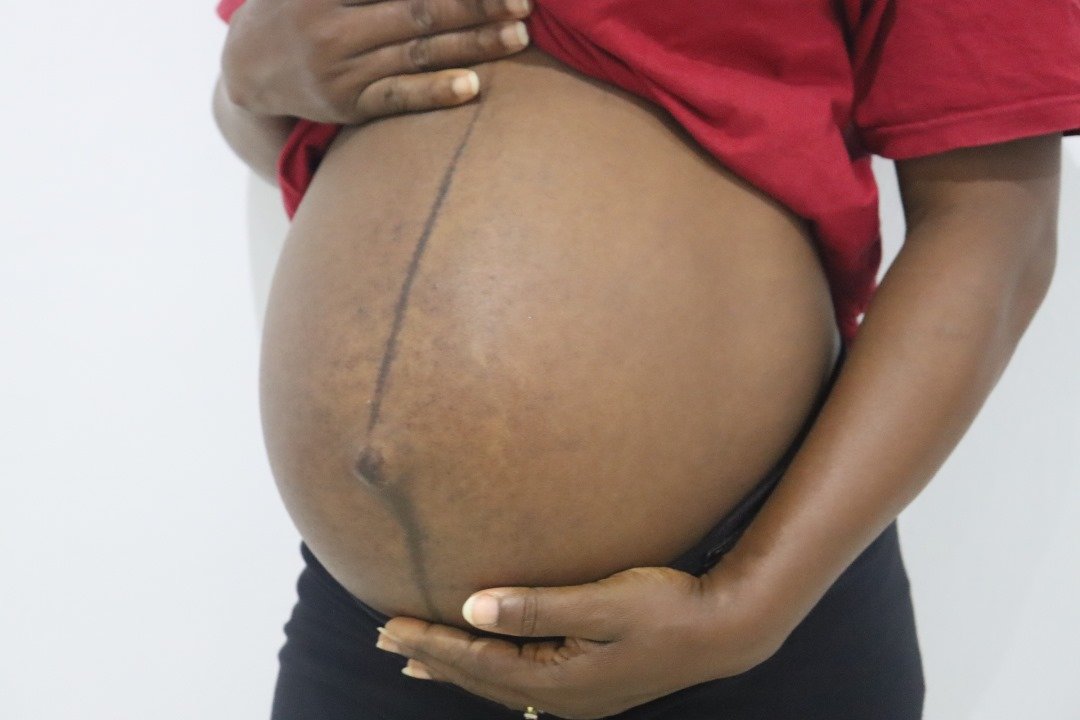
Nigerian politicians might be campaigning and making promises for the forthcoming elections, but citizens are yet to receive the dividends of democracy, particularly in the area of healthcare delivery and the protection of women and children.
The country is gradually becoming one of the worst places for pregnant women, with Nigeria accounting for about 25 per cent of maternal deaths recorded globally, despite having a much smaller share of the world’s population.
Report by the United Nations (UN) showed that one in every 22 Nigerian women risks dying during pregnancy and childbirth, highlighting the country’s persistent maternal health crisis and the challenges facing its healthcare system.
The statistics raise serious questions about the government’s commitment to improving access to quality healthcare, especially for women in rural communities and low-income households who often struggle to access essential maternal services.
Speaking at the second annual National Sexual and Reproductive Health and Rights (SRHR) Network Conference in Abuja, UN Women Country Representative to Nigeria and ECOWAS, Beatrice Eyong, said available statistics showed that Nigeria contributes at least 25 per cent of maternal deaths worldwide.
She described the situation as a serious national concern requiring collective action from government, development partners, civil society organisations and other stakeholders.
She said: “So, this is actually a very serious thing that all of us should contribute. A pregnant woman faces a lifetime risk of dying around pregnancy and delivery and in Nigeria, in a rate of 1 in every 22. Meanwhile, in developed countries, it’s about 1 to over 4,000 because of different reasons.”
Eyong’s comparison underscores the enormous disparity in maternal health outcomes between Nigeria and countries with stronger healthcare systems, where pregnant women generally have better access to skilled birth attendants, emergency obstetric care and well-equipped medical facilities.
The figures also draw attention to the fact that maternal mortality is not simply a medical problem but one closely connected to poverty, education, gender inequality, access to healthcare and the ability of women to make decisions about their reproductive health.
The World Health Organisation (WHO) had previously highlighted the scale of the problem, identifying Nigeria as one of the countries with the highest maternal mortality burdens. Its 2019 report estimated that a Nigerian woman faced a one-in-22 lifetime risk of dying from pregnancy-related complications, compared with one in 4,900 in the most developed countries.
The latest international estimates, covering 2000 to 2023 and published in April 2025 by WHO and other UN agencies, also show that maternal deaths remain heavily concentrated in low- and middle-income countries. Globally, an estimated 260,000 women died during pregnancy, childbirth or shortly after delivery in 2023, representing more than 700 deaths every day.
In Nigeria, the situation is compounded by inadequate access to skilled healthcare professionals, poorly equipped health facilities, poverty, high treatment costs and delays in accessing emergency medical attention.
Many pregnant women, particularly those in rural communities, still face difficulties reaching health centres capable of providing comprehensive antenatal, delivery and postnatal services. In some cases, women are forced to travel considerable distances to access facilities, while the cost of transportation, medicines, laboratory investigations and other medical services discourages regular hospital visits.
The country’s maternal health indicators reflect these challenges. Findings from the 2024 Nigeria Demographic and Health Survey (NDHS), released by the Federal Government in October 2025, showed that only 63 per cent of women received antenatal care from skilled providers, while just 46 per cent of births were attended by skilled health personnel.
The survey also found that only 42 per cent of women received postnatal care within two days of delivery, although this represented an improvement from 38 per cent recorded in 2018.
The figures suggest that a considerable number of Nigerian women still go through pregnancy and childbirth without adequate professional medical supervision, increasing the risk of complications going undetected or untreated.
The disparities are even more pronounced between urban and rural communities, as well as between wealthy and poor households. Women in rural areas often contend with inadequate health infrastructure, shortages of medical personnel and limited access to emergency obstetric services.
Similarly, financial constraints prevent many women from receiving timely medical attention. For households already struggling with rising living costs, the expenses associated with pregnancy and childbirth can become a major burden.
The consequences can be particularly severe when complications such as excessive bleeding, infections, high blood pressure and other pregnancy-related conditions require immediate medical intervention.
Eyong, in her remarks, called on government, development partners, civil society organisations and other stakeholders to move beyond policy declarations and address the underlying social and economic factors contributing to maternal deaths.
She urged stakeholders to develop concrete recommendations on preventing gender-based violence, protecting human rights defenders, improving access to justice and implementing existing laws and international commitments.
Her call also highlights the relationship between sexual and reproductive health and broader questions of women’s rights, dignity and economic empowerment.
For many women, the ability to make informed decisions about when to have children, the number of children to have and the healthcare services they require remains limited by social expectations, economic dependence and inadequate access to reproductive health information.
Access to family planning services, maternal healthcare and accurate reproductive health information is therefore important not only for reducing maternal deaths but also for improving women’s participation in education, employment and public life.
The Minister of Youth Development, Olawande Ayodele, said young people could not fully realise their potential or participate meaningfully in governance and economic development without access to safe and equitable sexual and reproductive health information and services.
Represented by his Senior Special Assistant on Gender Matters, Kehinde Awujoola, the minister described sexual and reproductive health and rights as fundamental human rights and an important component of empowerment.
He stressed the importance of ensuring that young people, particularly young women and girls, were not denied essential health information and services because of their age, economic circumstances or social background.
The minister’s position reflects growing concerns about the reproductive health challenges facing Nigeria’s young population, including teenage pregnancies, sexually transmitted infections, gender-based violence and limited access to appropriate health services.
Improving access to reproductive health education and services, stakeholders say, would help young people make informed decisions, avoid preventable health complications and contribute more effectively to national development.
Minister of Health and Social Welfare, Prof. Muhammad Ali Pate, said the Federal Government recognised sexual and reproductive health and rights as integral to human dignity, equitable development and universal health coverage.
Pate, who was represented by the Director of the Health Promotion Division in the ministry, John Uruakpa, said improving reproductive, maternal, newborn, child and adolescent health remained a priority in the government’s efforts to strengthen the health system.
The government has introduced initiatives aimed at reducing maternal and newborn deaths, including the Maternal and Neonatal Mortality Reduction Initiative (MAMII), which seeks to improve access to essential maternal healthcare, strengthen emergency response and address gaps in service delivery.
However, the challenge remains translating these programmes and policy commitments into measurable improvements in the lives of women, particularly those in underserved communities.
The 2024 NDHS findings indicate that although there have been improvements in some areas of maternal healthcare, the proportion of births attended by skilled health personnel remains below half of all deliveries.
The Federal Government has also acknowledged the need for greater collaboration with state governments, development partners and private healthcare providers to address disparities in healthcare access and improve service delivery across the country.
With the country approaching another election cycle, the maternal mortality figures present an important test of the commitment of political parties and candidates to public welfare.
Beyond campaign promises, Nigerians will expect concrete measures to improve primary healthcare facilities, recruit and retain qualified health workers, provide essential medicines and ensure that pregnant women can access affordable emergency obstetric care.
Reducing maternal deaths will also require sustained investment in reproductive health education, family planning services, adequate funding for public hospitals and stronger accountability in the implementation of existing health policies.
For a country aspiring to improve its human capital and economic development, the continued loss of women to preventable pregnancy-related complications represents a serious national setback.
The responsibility, therefore, goes beyond government officials attending conferences and making policy declarations. It requires deliberate action to ensure that no woman loses her life simply because she cannot afford medical care, reach a properly equipped hospital or obtain timely attention during pregnancy and childbirth.


