



Somalia’s diplomatic confrontation with the United Arab Emirates has taken a new turn, with Mogadishu ordering the Emirati ambassador to leave the country within 72 hours and recalling its own envoy from Abu Dhabi, amid mounting accusations of interference in its internal affairs.
The decision announced on Thursday followed a cabinet meeting at which the Somali government accused the UAE of what it described as “blatant aggression against Somalia”, raising the prospect of a further deterioration in relations between the two countries.
Information Minister Abdulfatah Qasim Mohamud said the Council of Ministers had directed the Ministry of Foreign Affairs and International Cooperation to recall Somalia’s ambassador to the UAE for consultations and notify the Emirati ambassador in Mogadishu to leave within three days.
The government said it was taking further measures to defend the country’s sovereignty, territorial integrity, national unity, internal security and independence.
The expulsion represents one of the strongest diplomatic actions taken by Somalia against the UAE in the escalating dispute, which has been fuelled by disagreements over strategic ports, security arrangements, regional administrations and the status of Somaliland.
The latest confrontation comes months after Somalia cancelled all agreements with the UAE, accusing Abu Dhabi of undermining its sovereignty through dealings with regional authorities outside the control of the federal government.
The dispute has particularly centred on the UAE’s relationship with Somaliland, the breakaway region that declared independence from Somalia in 1991 but remains internationally recognised as part of the Somali republic.
Somalia has strongly opposed Israel’s recognition of Somaliland, regarding the development as a threat to its territorial integrity. Mogadishu has also accused the UAE of supporting arrangements and activities in the region that undermine the authority of its federal government.
In January, Somalia annulled agreements with the UAE covering security, defence, economic cooperation and port operations. The decision followed allegations that the UAE helped a Yemeni separatist leader escape through Somali ports by boat and plane without the federal government’s permission.
The UAE’s commercial and military presence in Somalia has, however, been built over several years through investments, security cooperation and agreements with regional administrations.
Abu Dhabi operates or has investments in strategic port facilities in Berbera, Somaliland, Bosaso in Puntland and Kismayo in Jubaland. These locations are particularly significant because of their proximity to the Gulf of Aden, the Red Sea and major international shipping routes.
The ports have attracted international interest because of their strategic location along one of the world’s most important maritime corridors, connecting the Indian Ocean to the Red Sea and the Suez Canal.
Berbera, in particular, has developed into a major commercial and strategic asset, with the UAE investing in port infrastructure and associated facilities, including military infrastructure.
The Somali federal government’s decision to cancel agreements with the UAE has raised questions about the future of these operations, particularly because Mogadishu does not exercise effective control over all the territories where the facilities are located.
Somaliland, Puntland and Jubaland have maintained varying degrees of autonomy from the federal government, with some regional administrations having developed independent economic, political and security relationships with foreign partners.
This has complicated Mogadishu’s efforts to enforce its decision, as the agreements involving the ports were negotiated with regional authorities that have rejected the federal government’s position on the cancellation.
The dispute therefore goes beyond diplomatic relations between Somalia and the UAE, exposing the longstanding struggle within Somalia over federal authority, regional autonomy and the management of national resources.
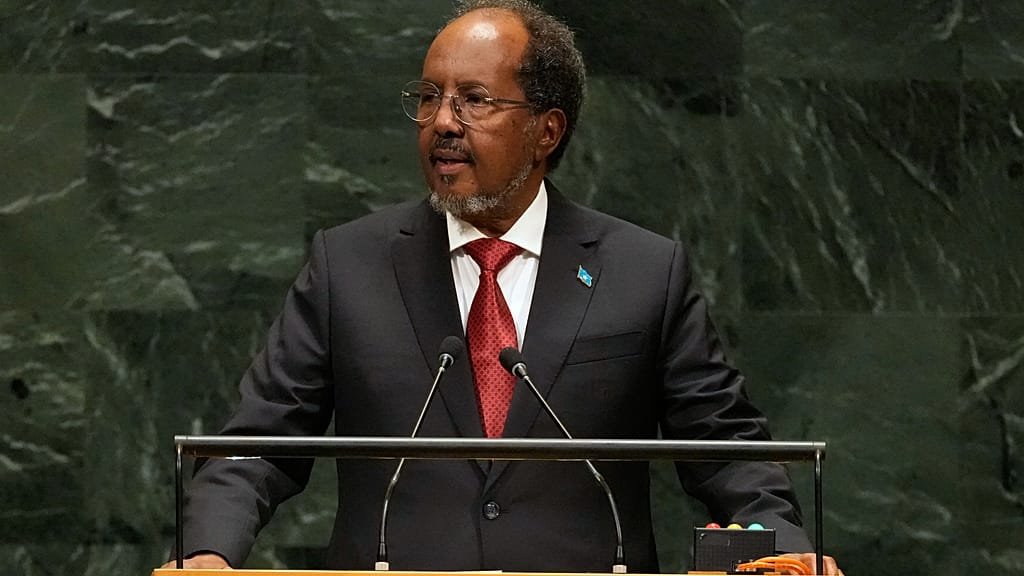
President Hassan Sheikh Mohamud has accused the UAE of supporting regional administrations and security forces outside the federal government’s control, arguing that such relationships weaken national unity and undermine efforts to build a unified security structure.
The Somali government has also expressed concern that foreign military and security arrangements could compromise its authority at a time when the country is battling the al-Shabaab insurgency and attempting to strengthen its national institutions.
The UAE, which has previously provided military training, financial support and logistical assistance to Somali forces, has denied allegations of interfering in Somalia’s internal affairs.
The latest diplomatic measures could complicate security cooperation and economic relations between the two countries, particularly if the confrontation extends beyond the expulsion of the ambassador and the recall of Somalia’s envoy.
The UAE’s strategic interests in the Horn of Africa are also tied to its broader regional ambitions, including access to maritime routes, commercial infrastructure, military partnerships and influence across the Red Sea and the Gulf of Aden.
Somalia’s position, meanwhile, reflects its determination to assert control over foreign relations and agreements involving its territory, even as the federal government continues to face challenges from powerful regional administrations.
The diplomatic crisis also comes at a sensitive time for the Horn of Africa, where rival regional interests, conflicts and competition over ports and maritime access have heightened tensions among countries.
Somalia’s relationship with Ethiopia has also been strained by the latter’s earlier agreement with Somaliland over access to the sea, which Mogadishu viewed as a violation of its sovereignty.
Against this background, the UAE-Somalia dispute risks adding another layer of tension to an already complicated regional diplomatic landscape.
While the expulsion of an ambassador does not automatically amount to a severance of diplomatic relations, it is a significant signal of the depth of disagreement between the two governments.
The recall of Somalia’s ambassador for consultations further underscores Mogadishu’s dissatisfaction and its willingness to use diplomatic measures to pressure Abu Dhabi.
Whether the latest action will lead to a further breakdown in relations or open the door to renewed negotiations remains uncertain.
For now, the dispute reflects a broader contest over sovereignty, influence and strategic interests in the Horn of Africa, with Somalia insisting that foreign engagement must respect the authority of its federal government and territorial integrity.


