



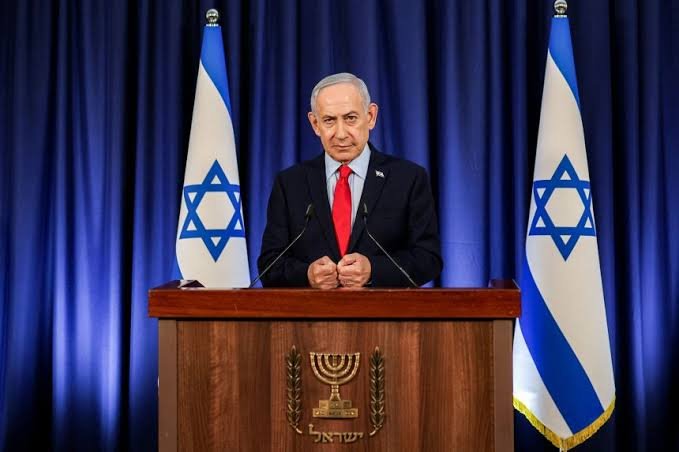
Conditions in Gaza remained dire on Thursday as Israeli Prime Minister Benjamin Netanyahu prepared to address the United Nations General Assembly amid continuing humanitarian hardship across the territory.
Nearly three years into the war, more than two million Palestinians in Gaza continue to face severe living conditions, with many displaced from their homes and sheltering in makeshift camps, damaged buildings or among the ruins of their former neighbourhoods.
A ceasefire agreement brokered by US President Donald Trump and Arab allies had halted major military operations, secured the release of remaining hostages and increased humanitarian access.
However, the agreement has yet to deliver on broader commitments, including the establishment of a new Palestinian administration supported by international forces and an end to Israeli military strikes and control over large parts of Gaza.
Israel has linked progress on those issues to the complete disarmament of Hamas, while the militant group and the Trump administration have argued that the steps should be implemented simultaneously.
The dispute has left Gaza’s population in prolonged uncertainty, with many Palestinians continuing to live in overcrowded and unsafe conditions.
According to Gaza’s Ministry of Health, more than 1,300 Palestinians have been killed since the ceasefire.
Several international non-governmental organisations, as well as a UN commission, have accused Israel of committing genocide in Gaza. Israel has rejected such allegations.
Netanyahu has also taken a harder position ahead of elections this month, openly resisting pressure from Trump, despite Washington’s close alliance with Israel.
Meanwhile, Palestinian President Mahmoud Abbas is set to address the UN General Assembly by video for the second consecutive year after the United States refused to grant him a visa to attend in person.
Abbas is expected to speak on the same day as Netanyahu.
The visa decision has drawn attention to the United States’ obligations as host country of the United Nations. Under its agreement with the world body, Washington is required to facilitate access for diplomats from member states attending UN meetings.


