


The United Kingdom is set to launch new safe and legal routes for refugees based on Canada’s sponsorship model, allowing universities, businesses and community groups to help bring approved asylum seekers to Britain.
The Home Office said the new scheme, due to begin later this year, will create a capped pathway for refugees while tightening rules to crack down on what ministers describe as abuse of the asylum system.
Under the plans, trusted organisations will be able to sponsor refugees seeking protection in the UK. The government said the programme will eventually become a major part of Britain’s asylum system, operating on a much larger scale than the current UK Resettlement Scheme.
Applications through a university sponsorship route will open later this year, with the first arrivals expected in 2027. A separate work route allowing employers to sponsor refugees is planned for next year.
The government has not revealed how many people will be accepted but said numbers will be limited and introduced gradually. Sponsors will require Home Office approval and every applicant will face strict security and eligibility checks.
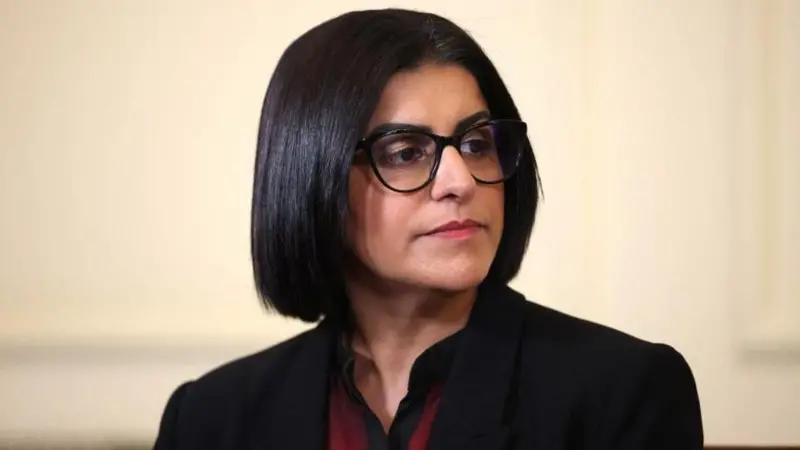
Home Secretary Shabana Mahmood said Britain would continue to provide sanctuary for people escaping war and persecution, but insisted public confidence depended on the system being fair, controlled and resistant to abuse.
Alongside the new routes, ministers are pressing ahead with reforms to asylum laws aimed at reducing unsuccessful claims. Planned changes include tightening how the right to family life under the European Convention on Human Rights is used in appeals and restricting modern slavery protections for foreign nationals convicted of serious offences or found to have used forged documents.
The government believes the reforms will help reduce the number of asylum seekers being housed in hotels at taxpayers’ expense while restoring confidence in the immigration system following continued small boat crossings.
The announcement comes ahead of the Immigration Bill returning to Parliament, where some Labour MPs are expected to challenge parts of the legislation.
The plans also exposed divisions within government after junior minister Mike Tapp publicly argued that foreign care workers should be exempt from proposed visa restrictions. Mahmood reportedly sought his dismissal, but Prime Minister Sir Keir Starmer declined to remove him.


