


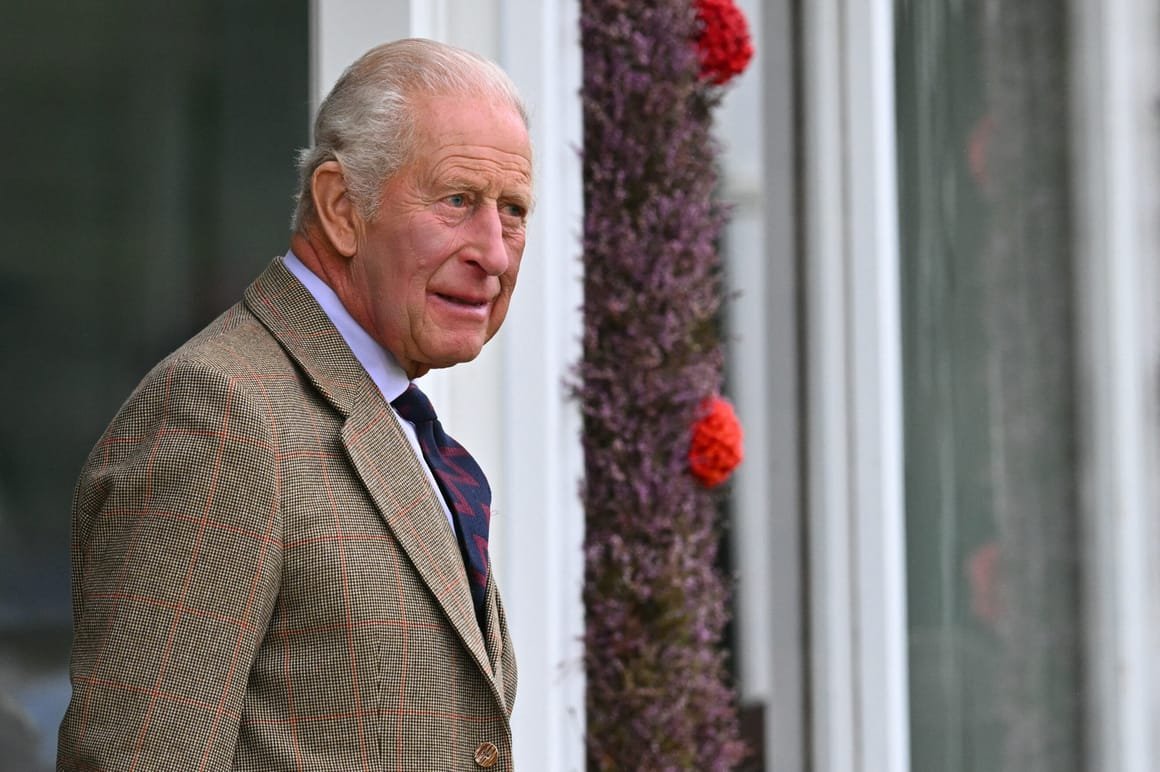
Jamaica has taken its long-running campaign for reparations over slavery to the legal arena, petitioning King Charles III to consider Britain’s historical responsibility for the transatlantic slave trade.
The petition seeks to have the matter referred to the Judicial Committee of the Privy Council, the highest court of appeal for several former British colonies that retain links to the British legal system.
Jamaica is asking the committee to determine whether the forced transportation and enslavement of Africans constituted unlawful acts, whether they amounted to crimes against humanity and whether Britain has a legal obligation to provide a remedy to Jamaicans affected by the legacy of slavery.
Jamaica’s Culture Minister, Olivia Grange, described the petition as a historic step in the country’s pursuit of reparatory justice.
“Yes, it is historic for Jamaica. We have been working on a reparatory justice initiative for a long time. And we have finally reached a point where we have been able to file the petition,” Grange said.
She added that the move represented “a strong statement on behalf of persons who want to see justice done”, saying Jamaicans had responded positively to the initiative.
Britain abolished the transatlantic slave trade in 1807 and slavery in most of its colonies in 1834. However, successive British governments have rejected demands for slavery reparations and have not issued a formal apology for Britain’s role in the trade.
Jamaica has argued that the petition could provide legal clarity on its historic claims and establish whether descendants of enslaved Africans have grounds to seek compensation or other forms of redress.
The legal initiative is also expected to reinforce Jamaica’s broader campaign for reparatory justice, which has called for acknowledgement of the lasting economic and social consequences of slavery and colonialism.
The petition marks a significant escalation in Jamaica’s efforts to address the legacy of the transatlantic slave trade and could potentially have wider implications for other former British colonies pursuing similar claims.


