



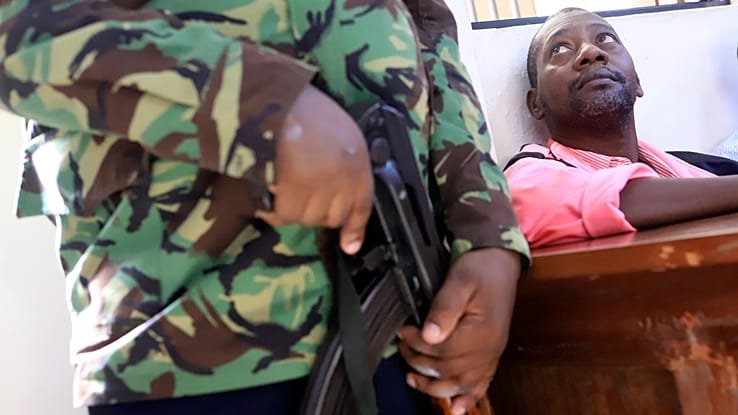
A Kenyan court is expected to deliver its verdict on Monday in the trial of self-proclaimed preacher Paul Mackenzie and his associates, who are accused of murdering 191 people, most of them children, in the Shakahola starvation cult massacre.
The case followed the discovery in 2023 of hundreds of bodies buried in shallow graves in Shakahola Forest, near the coastal town of Malindi, in one of Kenya’s deadliest mass-casualty cases.
Prosecutors allege that Mackenzie urged his followers to starve themselves to death in preparation for meeting Jesus, with children reportedly targeted first.
More than 400 bodies have since been recovered from the surrounding area, although some victims have yet to be identified.
Mackenzie and his associates have denied the allegations and pleaded not guilty. His lawyers maintain that the prosecution’s case relies heavily on circumstantial evidence and inconclusive forensic findings.
During the trial, more than 120 witnesses testified about events that allegedly took place between 2021 and 2023, providing evidence in a case that has drawn widespread attention in Kenya and beyond.
The massacre triggered public outrage and renewed demands for stricter government oversight of religious organisations, particularly those whose leaders are accused of exploiting their followers.
Mackenzie also faces separate charges of manslaughter and terrorism, which he denies.
The expected verdict is being closely watched by victims’ families seeking justice nearly three years after the mass graves were discovered, as the case raises broader questions about religious extremism, accountability and the protection of vulnerable followers.


