


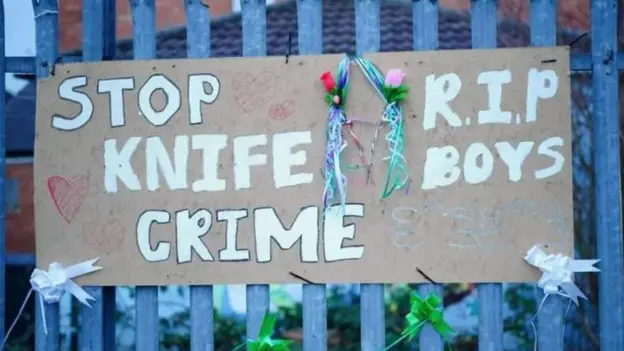
A stark new analysis has revealed that black children are 13 times more likely to die from knife-related injuries than their white peers in England.
The findings, which laid bare the deadly inequalities at the heart of England’s knife crime crisis, was drawn from two major studies led by the University of Bristol. In the first national study of its kind, researchers examined 145 deaths of children under 18 between April 2019 and March 2024 and uncovered patterns that experts say demand urgent action.
Two school-aged children are killed every month in knife incidents across England. The annual toll is rising fast, jumping from 21 deaths in 2019/20 to 36 in 2023/24, a surge that underscores the growing scale of the crisis.
This racial disparity has triggered great alarm among the black community in England, thereby calling for urgent response and protection from the authority,
The studies were the first to analyse data from the National Child Mortality Database (NCMD) together with hospital, social care and police data.
Researchers said the majority of under 17-year-olds who died in knife attacks were exposed to multiple difficult childhood experiences and were well-known to support workers.
While Black children made up around 32% of victims, compared with 31% who were white, population-based analysis revealed a far sharper imbalance: Black or Black British children face a risk of fatal stabbing 13 times higher than white children. Researchers say this gap reflects deep-rooted structural inequalities rather than isolated incidents.
The victims are overwhelmingly young, male and vulnerable. Nine in ten were boys, with an average age of just 14. Three-quarters came from the most deprived areas of the country, highlighting the tight link between poverty and violence.
The nature of the attacks is equally disturbing. Two-thirds of victims died from a single stab wound, often to the chest or neck, and 60% died before reaching hospital. In many cases, there was little chance of survival.
Behind the statistics lies a pattern of entrenched disadvantage and exposure to harm.
Data from the Office for National Statistics (ONS) also shows there were more than 50,000 incidents of knife crime recorded in 2023-2024, an increase of 4% on the previous year.
However, the latest ONS crime stats for 2025 show there has since been a decrease in knife-related deaths for people aged 16 years and over.
Dr Jade Levell, part of the research team, called for “urgent, family-centred action”, while lead author Dr Tom Roberts described knife-related child deaths as a “significant public health concern”.
The studies conclude that the children most at risk are Black youths living in deprived urban areas, where social inequality, violence, and limited support systems collide.


