



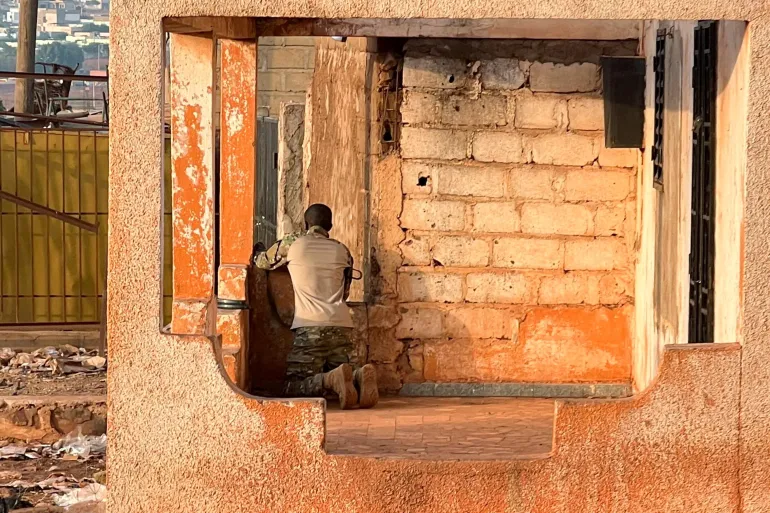
Mali says 82 soldiers held captive by armed groups in the country’s northern region have been released and placed in government custody.
The Malian army announced the release on Thursday in a statement broadcast on state television. It said the soldiers had been held by al-Qaeda-linked fighters and Tuareg-led separatists following attacks in April. Soldiers Released After Months in Captivity According to the army, the soldiers are safe and are now under the care of government authorities.
The al-Qaeda-linked Jama’at Nusrat al-Islam wal Muslimin (JNIM) and the Tuareg-led Azawad Liberation Front (FLA) claimed responsibility for a series of attacks on April 25 targeting Bamako’s airport and other locations. The two groups also claimed responsibility for attacks on Malian military positions on July 4.
The FLA separately announced that it had released about 80 Malian soldiers captured between 2023 and 2026. Its spokesperson, Mohamed Elmaouloud Ramadane, said the release was carried out for “strictly humanitarian” reasons.However, the FLA said about 118 other soldiers remain in captivity, while the Malian government maintained that the 82 released soldiers had been held since the April attacks. Algeria Reportedly Mediated ReleaseA source at Mali’s Ministry of Foreign Affairs told AFP that Algeria helped mediate the release.
The development comes amid a long-running conflict in northern Mali that began in 2012 with a Tuareg separatist rebellion before armed groups linked to al-Qaeda and ISIL expanded their operations. Mali has been under military rule since a 2021 coup. The military government has sought to restore security while reducing its reliance on Western forces.
Following the expulsion of French troops and United Nations peacekeepers, the government turned to Russian paramilitary support as it battled armed groups. Although the FLA describes itself as a secular nationalist movement seeking independence for the Azawad region, while JNIM is affiliated with al-Qaeda, the two groups have set aside their ideological differences to oppose the Malian government.


