



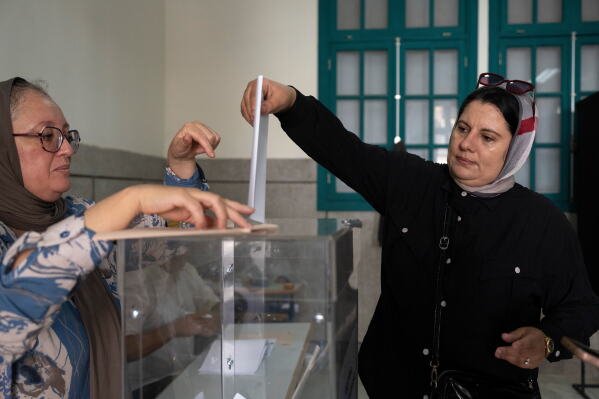
Morocco has elected a new parliament after Wednesday’s legislative elections recorded a voter turnout of just 38 per cent, the lowest level in nearly two decades.
Nearly 16 million people were registered to vote, but young people remained significantly underrepresented among those eligible, with only about four per cent of registered voters aged between 18 and 24.
The election came less than two months after a mass migration crisis in which tens of thousands of mainly young Moroccans attempted to enter the Spanish enclave of Ceuta.
Preliminary results released on Thursday showed the centre-right Authenticity and Modernity Party (PAM) leading the poll with 95 seats in the 395-member parliament.
The National Rally of Independents (RNI), which leads the outgoing governing coalition, secured 66 seats, according to the preliminary results.
The right-wing Istiqlal Party followed with 65 seats, while the Islamist opposition Justice and Development Party won 54 seats.
Morocco operates a multi-party parliamentary system in which governments are formed through coalition-building.
Although PAM currently leads the provisional seat count, negotiations will determine the composition of the governing coalition for the new parliamentary term.
The incoming government will face several major challenges, including preparations for Morocco’s co-hosting of the 2030 FIFA World Cup, reducing socioeconomic inequalities and responding to concerns among young people.
Youth dissatisfaction has featured prominently in recent political and social developments in the country.
In September 2025, a Gen-Z-led protest movement took to the streets, demanding improvements in healthcare and education.
The low turnout in Wednesday’s election is likely to add further focus to questions about political participation, particularly among Morocco’s younger population.


