


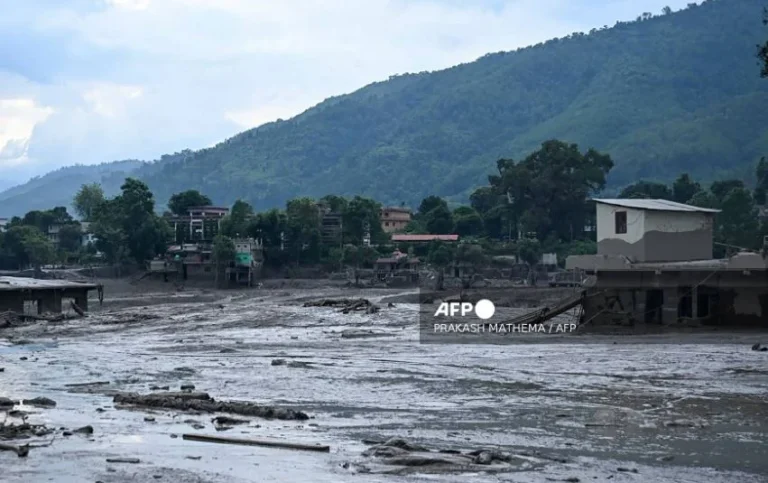
Nepal has begun temporarily burying victims of the devastating floods that have claimed hundreds of lives, as authorities struggle to cope with the growing number of recovered bodies.
The bodies are being buried after DNA samples were collected and identification records created, allowing families to retrieve and properly perform traditional funeral rites once the victims are identified.
Nepal’s Foreign Secretary, Amrit Bahadur Rai, said the authorities were carefully documenting everyone who had been buried. He also appealed for international assistance, saying the country needed more than 1,000 freezer units to safely preserve bodies.
The announcement came as Nepal’s disaster ministry raised the country’s death toll to 752, with 2,502 people still missing. The missing persons list includes 589 foreign nationals.
The disaster has also affected neighbouring Tibet. Chinese state media reported 16 deaths and 546 missing people there, bringing the combined reported toll across Nepal and Tibet to 768 deaths and 3,048 people unaccounted for.
Rai explained that temporary burials had become necessary, particularly for bodies that could not be immediately identified or were beginning to decompose.
He said medical teams collected DNA samples from every victim before burial so that relatives could later match the remains and, where necessary, exhume them for appropriate funeral ceremonies.
“Following standard and accepted protocols, such as those of ICRC (Red Cross), the mortal remains of the dead, especially those not recognisable… have been temporarily buried,” Rai said.
Nepal has appealed to other countries for freezer storage equipment and DNA testing kits as emergency teams struggle to manage the scale of the disaster.
“We have requested different countries for freezers; we will need more than a thousand,” Rai said.
He added that many recovered bodies had already begun decomposing, making temporary burial necessary to protect public health.
The floods have left widespread destruction across affected areas, while rescue and recovery teams continue searching for thousands of people still reported missing.


