



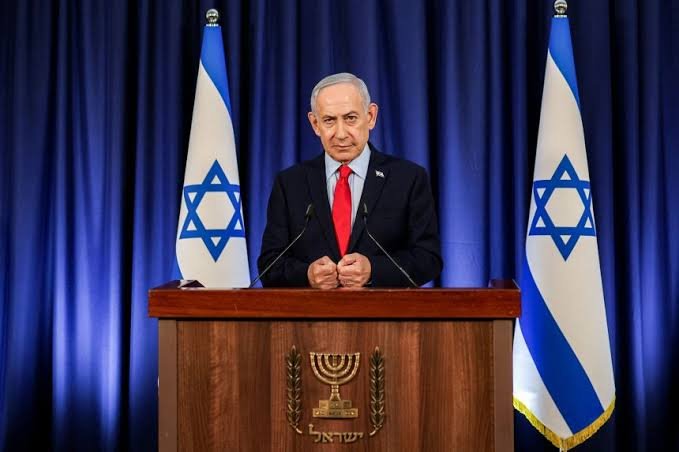
Israeli Prime Minister Benjamin Netanyahu is facing renewed scrutiny over reports that senior foreign officials warned Israel of a possible major Hamas operation before the October 7, 2023 attack.
The reports have emerged as Israel heads towards its October 2026 parliamentary elections, placing renewed focus on what the government knew before the assault and how the warnings were handled.
A report by Haaretz, cited by other international media, alleged that United Arab Emirates President Sheikh Mohammed bin Zayed privately warned Netanyahu in late September 2023 that then-Hamas leader Yahya Sinwar was preparing a major operation against Israel.
According to the report, the warning was conveyed during a phone call and was based on a book by Israeli journalists Shlomi Eldar and Ruth Yuval. The book, Kidnapped: 843 Days of Abandonment, draws on interviews with sources including senior officials in Israel and abroad. An Emirati source familiar with the conversation later confirmed to The Times of Israel that a warning had been given.
Netanyahu’s office has rejected the allegation, saying no warning was given to the Prime Minister by the UAE before October 7. The UAE has not confirmed or denied the specific report, saying only that open channels of communication with Israel remain available for sharing relevant intelligence.
A separate investigation by The Atlantic has also reported that Egypt’s then-intelligence chief, Abbas Kamel, secretly travelled to Israel on September 26, 2023 — 11 days before the Hamas attack.
According to the report, Kamel flew to Ben-Gurion Airport and met Israeli security officials, warning that Hamas appeared to be mobilising for a major attack. The warning reportedly did not specify the date, target or precise method of any planned assault, but Kamel urged measures to ease tensions in Gaza.
The Atlantic said its account was based on Israeli, Egyptian, Arab, US and European officials who were briefed about the visit, as well as flight records. It reported that Egypt continued raising concerns about a possible attack in the days that followed.
Netanyahu’s office has denied that he received the Egyptian warning, while the precise chain through which the information was communicated within Israel remains disputed.
The reports have been followed by further claims concerning warnings from Hamas itself.
Former Israeli Defence Minister Yoav Gallant told Israeli Army Radio that Sinwar had allegedly sent a message through a former senior Fatah official to Israel’s Shin Bet security agency before the October 7 attack, warning that he would “shake the prisons.”
The latest disclosures have intensified political debate over the intelligence and security failures surrounding the Hamas-led assault, particularly ahead of next month’s election.
Opposition figures have called for greater accountability and an official inquiry into what Israeli authorities knew before the attack and how the information was handled. Netanyahu has resisted calls for a government commission of inquiry into the events surrounding October 7.
The Prime Minister has consistently rejected claims that he personally received advance warning of the Hamas attack, describing the UAE-related allegations as false.
The October 7, 2023 attack killed about 1,200 people in Israel and triggered the war in Gaza. The question of whether warnings were received, who received them and whether they were adequately acted upon remains a major issue in Israel’s political debate.


